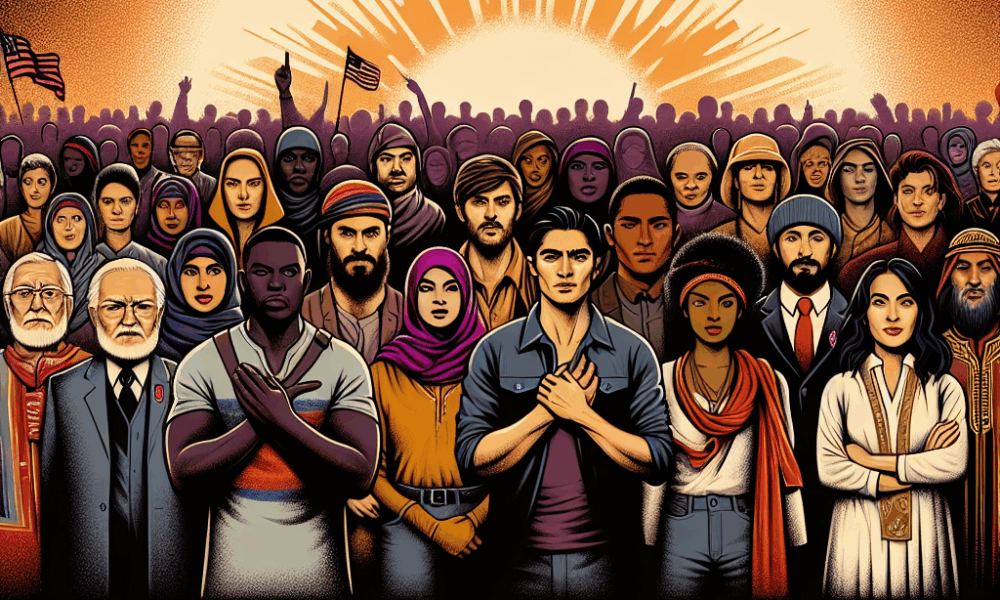
In response to increasing societal divisions and pressing global crises, a movement known as United Resistance is gaining momentum. Advocates are calling for collective action to address systemic injustice, environmental degradation, and the decline of democratic institutions. This movement seeks to unite diverse communities around common goals, aiming to foster solidarity and proactive engagement.
At its heart, United Resistance represents a multifaceted approach to activism, encouraging individuals and groups to transcend traditional boundaries of race, class, gender, and ideology. The movement recognizes that urgent issues—such as climate change, social inequality, racial injustice, and political corruption—are interconnected, necessitating a holistic response.
The Pillars of United Resistance
The United Resistance movement is built upon several foundational principles that guide its efforts:
Solidarity Across Differences: The movement emphasizes the significance of intersectionality in the fight for justice. By celebrating diversity and fostering collaboration, United Resistance aims to amplify the voices of marginalized groups. This approach not only enhances the collective narrative but also strengthens the movement’s impact.
Grassroots Engagement: Change often originates at the community level. United Resistance prioritizes grassroots activism, encouraging local organizing and initiatives. Whether through town hall meetings, social media outreach, or community projects, grassroots engagement empowers individuals and generates tailored solutions that resonate with local needs.
Accountability and Transparency: In a climate of declining trust in institutions, United Resistance advocates for heightened accountability. This includes demanding ethical standards from leaders, corporations, and governments. By pushing for transparency, the movement ensures that constituents remain informed and can actively participate in decisions that affect their lives.
Environmental Justice: Recognizing the disproportionate impact of environmental crises on marginalized communities, United Resistance integrates environmental justice into its framework. The movement calls for sustainable practices that not only address climate issues but also promote equitable resource access, thereby prioritizing ecological integrity alongside social justice.
Inclusive Dialogue: United Resistance fosters open communication by inviting diverse perspectives into discussions. By creating spaces for dialogue and collaboration, the movement encourages innovative problem-solving and the exchange of ideas that can lead to effective solutions.
How to Get Involved
Individuals interested in supporting United Resistance can take several actionable steps:
Educate Yourself and Others: Understanding systemic issues is crucial. Engaging with literature, attending workshops, and participating in community discussions can deepen knowledge and promote awareness. Sharing insights within one’s network helps cultivate a more informed society.
Join Local Groups: Numerous organizations focus on social justice, environmental advocacy, and community organizing. Becoming involved with local chapters or independent grassroots groups strengthens collective efforts and amplifies impact.
Participate in Protests and Campaigns: Public demonstrations serve as powerful platforms for raising awareness. Whether advocating for climate policy, racial justice, or electoral reform, active participation—whether in person or virtually—demonstrates commitment to the cause.
Support Ethical Initiatives: Choosing to support local businesses that prioritize sustainable and ethical practices can drive change within communities. Individual purchasing decisions can encourage companies to adopt more responsible behaviors.
Advocate for Policy Change: Engaging in advocacy at various governmental levels is vital. Contacting representatives, participating in campaigns, and supporting legislation aligned with United Resistance principles empowers individuals to influence policy.
United Resistance extends beyond a mere movement; it serves as a clarion call urging individuals to unite in the quest for justice, sustainability, and democracy. By embracing solidarity, accountability, and inclusivity, this movement holds the potential to significantly reshape societal landscapes and inspire a generation committed to collective well-being. Now is the time to answer this call to action and work together toward a more just and equitable world.