Trump Administration Unleashes New Sanctions on Cuba Amid Economic Turmoil
The Trump administration has ratcheted up pressure on Cuba with an expanded sanctions package announced this week, timed to coincide with International Workers’ Day, or May Day. The executive order targets Cuba’s government amidst growing economic challenges and increasing geopolitical tension, drawing fierce condemnation from Havana that calls the move “collective punishment” on the Cuban people.
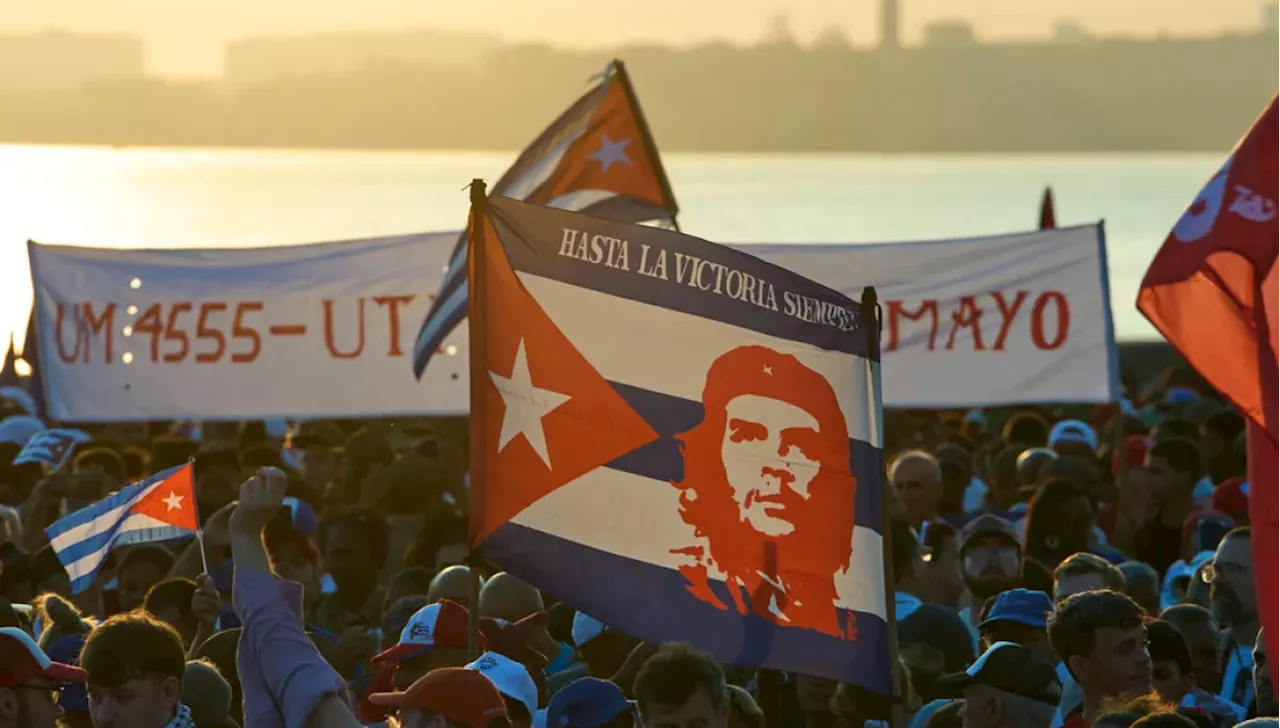
Cuban Foreign Minister Bruno Rodriguez swiftly condemned the sanctions as a “unilateral coercive measure” that punishes ordinary Cubans rather than government officials. “It is no coincidence these measures were announced on May 1, the very day millions of Cubans protest the US blockade and energy siege,” Rodriguez declared, emphasizing the symbolism behind the timing.
He added, “While the US government represses its own people in the streets, it seeks to punish ours, who are heroically resisting US imperialism’s attacks.” This rhetoric highlights the intensified hostility between the two nations as the Caribbean island faces severe economic hardships aggravated by tightened restrictions on trade, finance, and energy supplies from the United States.
Sanctions Expand Amid Economic Crisis and Security Concerns
The new measures deepen restrictions first put in place under earlier Trump-era policies, coming at a critical moment as Cuba reels from an economic crisis described as existential by many experts. The sanctions came shortly after an explosive event: a Delta Force commando raid on January 3 that ended Cuba’s central oil supply lifeline, severely impacting its already fragile energy infrastructure.
In the executive order, the US government labeled Cuba’s policies and actions an “unusual and extraordinary threat” to American national security and foreign policy, claiming these practices not only harm the US but conflict with “the moral and political values of free and democratic societies.”
The administration’s statement underscores the strategic intent to isolate Cuba further, intensifying diplomatic and economic pressure with the explicit goal of weakening the Cuban government’s hold on power.
Wider US Strategy and Regional Implications
Analysts suggest these sanctions are part of a broader pivot in US foreign policy focusing more aggressively on the Western Hemisphere. President Trump has hinted that the conclusion of tensions with Iran could free his administration to increase focus on Cuba, which has long been a contentious player in US-Latin America relations.
Havana’s communist government, seen as a stronghold of resistance against American influence in the region, now faces heightened uncertainty. The US government’s willingness to expand sanctions signals an escalation that could destabilize the already struggling Cuban economy while further straining US-Cuba diplomatic ties.
What’s Next: Watch for Rising Tensions and Human Impact
As sanctions tighten, the immediate impact on Cuban citizens is expected to be severe, particularly in access to fuel, food, and essential goods. The US’s timing on May Day was widely interpreted as provocative, coinciding with a day when Cubans traditionally rally to demonstrate against US sanctions and to support their government.
For US audiences, including those in Delaware, this development signals renewed focus on hemispheric stability and America’s aggressive posture in Latin America. While domestic issues in the US dominate headlines, the growing crisis in Cuba reminds policymakers and citizens alike that regional stability remains fragile and subject to complex international pressures.
Observers should monitor responses from international partners, Cuban civil society, and potential humanitarian ramifications as the situation unfolds. The expanded sanctions mark a significant moment in US-Cuba relations that will likely shape regional dynamics and American foreign policy approaches in the months ahead.
Cuban Foreign Minister Bruno Rodriguez: “These measures are collective punishment on the Cuban people and an imperialist attack at a time when we are resisting rejection.”
The Delaware Herald will continue to report on this story as developments emerge, bringing you the latest on US foreign policy and its global consequences.