Labour Leadership Crisis Deepens as Starmer Battles to Hold Power
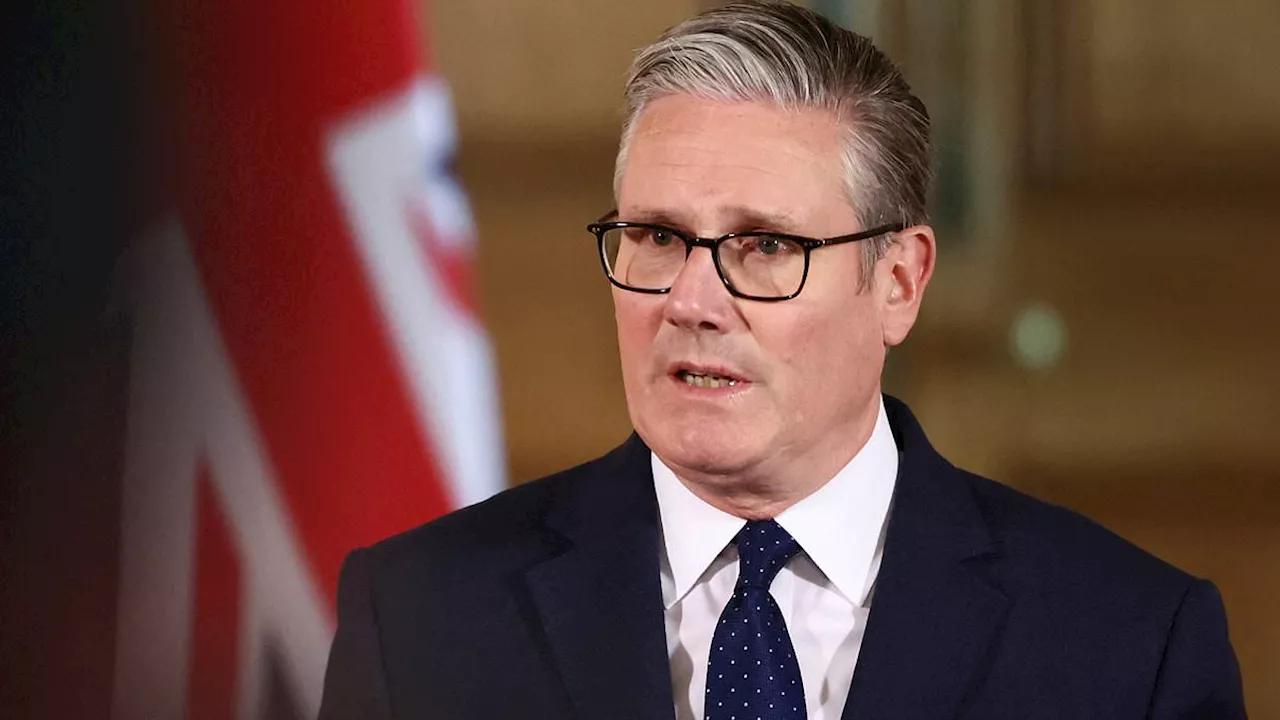
Keir Starmer is confronting a severe leadership challenge amid alarming internal dissent and expected election losses that threaten to reshape the UK’s Labour party. Reports confirm that up to seven Cabinet ministers are prepared to demand Starmer’s resignation if the party suffers predicted losses exceeding 1,500 local council seats this week, particularly in historic Labour strongholds.
The impending election results are poised to be a critical blow to Starmer’s leadership, raising urgent questions about his ability to unify and energize the party ahead of the next general election. The intensity of dissent within Labour is unprecedented, with several senior figures positioning themselves for battle over the party’s future.
Key Labour Figures Position for Leadership Battle
Among the most prominent potential challengers are Andy Burnham, former mayor of Greater Manchester; Angela Rayner, deputy Labour leader; and current Health Secretary Wes Streeting. Notably, Burnham — previously blocked from standing for Westminster by the party’s National Executive Committee at Starmer’s insistence — may now be permitted to challenge for leadership, signaling shifting alliances within Labour’s power structure.
Wes Streeting has already secured backing from over 81 MPs, meeting the formal threshold required to launch a leadership contest. Sources reveal that pressure will intensify on Starmer after local election results, with ministers planning to advise him to announce a clear departure timeline to ensure a “calm, elegant and considered” transition.
Starmer Faces Rocky Road Ahead
Despite the growing unrest, Starmer remains publicly defiant, stating his intention to lead Labour into the next general election. He points to his previous “landslide victory” in securing the leadership as proof of his mandate. Yet, recent polling reveals only about 25% of voters believe Starmer will serve as Prime Minister until 2029, underlining the fragility of his position.
The leadership turmoil within Labour mirrors the instability recently witnessed in the Conservative party following multiple leadership changes. Starmer himself has warned against descending into “the politics of grievance and division” and called for unity to focus on national challenges instead.
Why This Matters Now
For voters in Delaware and across the United States, Labour’s internal upheaval offers a cautionary glimpse into the difficulties political parties face globally amid rising polarization and factionalism. The fight for Labour’s leadership influences the trajectory of one of the UK’s major parties, with potential ripple effects on transatlantic political alignments and policy discussions.
The next few days are pivotal. The outcome of local elections will trigger critical decisions that could lead to rapid leadership changes or a hard-fought Starmer hold on power. Party insiders caution that the fate of Labour’s leadership, stability, and general election prospects all hang in the balance.
Looking Forward
The Labour party is caught between demands for immediate change and the risk of deepening divisions at a fragile political moment. If Starmer steps down, the clock begins to tick on securing a new leader with parliamentary standing—an urgent challenge given the limited available seats and time.
The coming week will reveal whether Labour can contain its crisis or if it will spiral into a prolonged power struggle, leaving voters and political observers worldwide watching closely.
The Delaware Herald will continue providing real-time updates on this rapidly evolving story as local elections finalize and leadership bids unfold.