Brazil’s 2002 Champion Scolari Rejects Vinicius Jr. as Top Star for 2026 World Cup
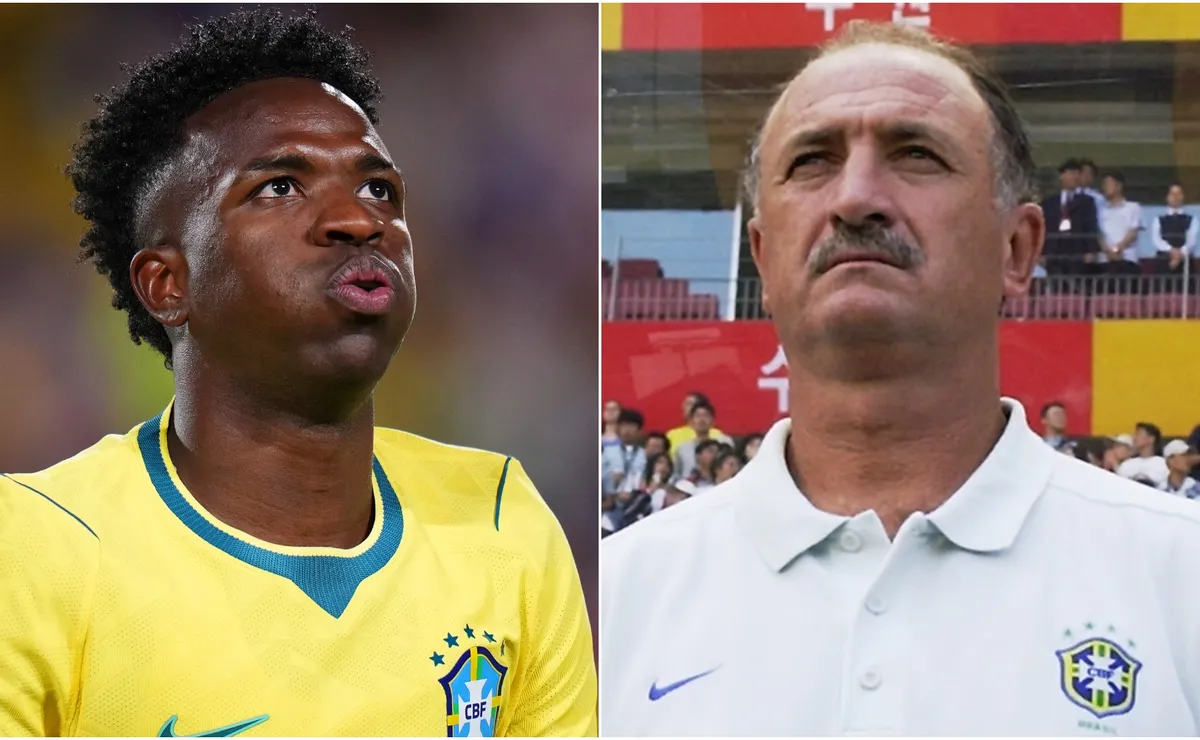
Luiz Felipe Scolari, head coach of Brazil’s 2002 World Cup-winning squad, has publicly stated that he does not view Vinicius Jr. as the main face or leader of the Brazilian national team ahead of the 2026 World Cup. This statement arrives amid growing debate about the 25-year-old striker’s role and impact on Brazil’s squad as expectations soar for the tournament.
Despite Vinicius Jr. bursting onto the global scene as one of the best players in the world with Real Madrid, his performance with Brazil has not matched the same heights. Across 48 international appearances, Vinicius has managed just 8 goals and 8 assists, a stark contrast to his celebrated club form.
Scolari Points to Argentina’s Messi-Centered Approach as Brazil’s Missing Link
“I don’t see Vinicius Jr. as a main figure for Brazil. The main thing for Brazil is to do what Argentina’s head coach did. He put everyone in a position to understand they had a star: Messi… We’re not going to be better than Messi, so we’ll do what’s best for Messi,” said Scolari, speaking to DSports.
Scolari’s remarks highlight a key difference: unlike previous Brazilian squads featuring iconic lead stars such as Ronaldinho, Ronaldo, and Rivaldo, the current team lacks a clear superstar since Neymar Jr.’s absence and the team has struggled to find a similar central figure.
Ancelotti’s Collective Vision Over Individual Stardom
Brazil’s new head coach, Carlo Ancelotti, also echoes this collective approach. Rather than build Brazil’s attack solely around Vinicius Jr., Ancelotti empowers both Vinicius and Raphinha as creative leaders while emphasizing team unity.
This collective mindset seeks to improve Brazil’s competitiveness, especially as they face the 2026 World Cup with notable roster challenges, including departures of players like Rodrygo Goes and Éder Militão, as well as uncertainties around emerging talent Estêvão.
Despite Vinicius Jr.’s stellar Real Madrid form, Ancelotti’s system prioritizes team synergy over individual spotlight. This strategy aims to unlock players like João Pedro and Endrick while keeping a balanced attack with Vinicius Jr. and Raphinha playing pivotal but not solitary roles.
What This Means for Brazil’s World Cup Hopes
With less than a year until kickoff, Brazil’s World Cup approach appears to pivot away from chasing a single star narrative. Scolari’s frank dismissal of Vinicius Jr. as the “main character” sends a clear message that success will hinge on collective excellence rather than individual brilliance.
For Delaware and US soccer fans, Brazil’s evolving strategy signals a shifting global soccer landscape where teamwork may triumph over talent alone. As the 2026 World Cup approaches, Vinicius Jr. remains a key player to watch, but fans should brace for a Brazil team ready to distribute responsibility and play smarter, not just relying on one superstar.
Brazil’s preparations continue under Ancelotti, with the squad still shaping its strongest lineup ahead of upcoming international fixtures. The world will be watching closely whether this collective vision can dethrone nations led by distinct stars, such as Argentina’s Messi-led dynasty.
Next Steps
Stay tuned for updates as Brazil finalizes their World Cup roster and tactical blueprint. Expect debates around Vinicius Jr.’s status to intensify, while Ancelotti’s team-first strategy could redefine Brazil’s identity on soccer’s biggest stage.