GUATEMALA CITY — Guatemalan President Bernardo Arévalo has appointed a new attorney general, ending a volatile, years-long battle with the outgoing prosecutor accused of obstructing anti-corruption efforts and politically motivated prosecutions.
On Tuesday, Arévalo named lawyer Gabriel Estuardo García Luna to head the national prosecutor’s office starting May 17, when current Attorney General Consuelo Porras’ term expires. This marks a powerful move by the progressive president, who has repeatedly clashed with Porras, a figure sanctioned by 40 countries for allegedly derailing corruption investigations.
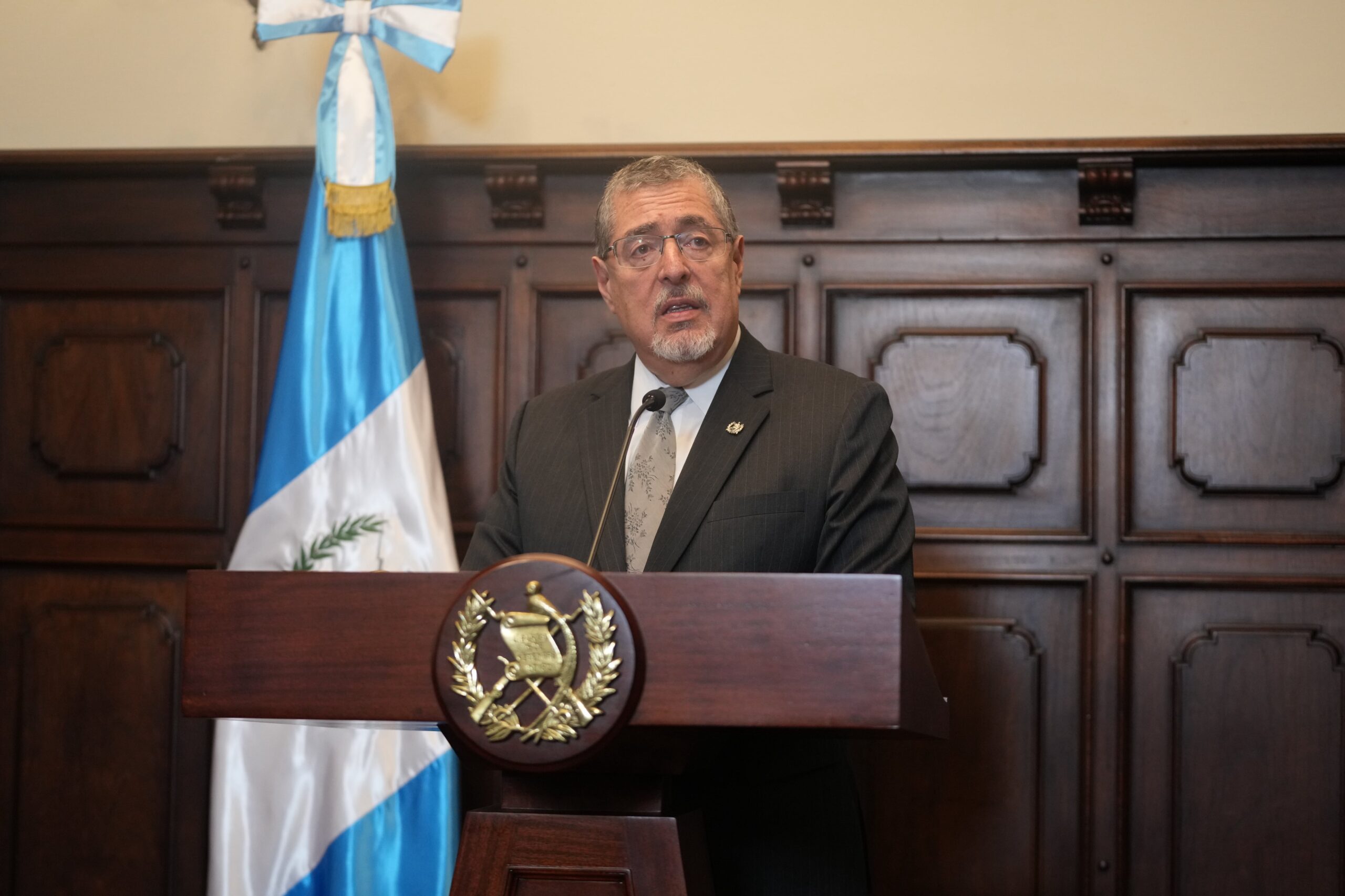
“The Public Ministry is getting a new authority who does not come to serve a president, the government of the day, or particular or spurious political interests,” Arévalo said in a national address, signaling his intent to restore independence and integrity to Guatemala’s troubled prosecutor’s office.
Clash Over Corruption and Political Power
Arévalo’s administration has accused Porras of exploiting her position to shield corrupt elites and pursue political enemies, including Arévalo himself. Since his election, her office targeted Arévalo’s Seed Movement party, launching raids, opening ballot boxes, and attempting multiple times to strip the president of immunity — efforts widely criticized as politically motivated.
Unlike many countries where an attorney general typically aligns with the sitting president, Guatemala’s attorney general operates independently, often leading to entrenched conflicts when officeholders oppose a new administration’s agenda. Porras’ tenure exemplified this, drawing fierce domestic and international condemnation for weakening the justice system.
New Leadership with Deep Legal Credentials
Gabriel García Luna, 49, is an experienced attorney and notary with 22 years in the legal field and advanced doctoral studies. A nominating commission — featuring the president of the Supreme Court, deans from Guatemala’s law schools, and the national bar association — selected him from a competitive pool of 48 candidates.
Political observers see García Luna’s appointment as a critical step in Arévalo’s promise to restore justice and crack down on corruption in a nation beleaguered by political interference in law enforcement.
What’s Next for Guatemala’s Justice System
As García Luna prepares to take charge, the eyes of international human rights advocates and governments remain fixed on Guatemala. The new attorney general faces the monumental task of repairing an institution tarnished by allegations that it persecuted journalists, former justice officials, and political rivals under Porras’ watch.
For residents and advocates watching from the United States, this shift signals potential progress in Central America’s fight against corruption, a persistent challenge with implications for regional security and migration patterns.
This appointment underscores a broader global demand for transparency and rule of law, making Guatemala’s next moves essential for observers tracking international anti-corruption efforts.
President Arévalo’s Message of Reform
“The Public Ministry is getting a new authority who does not come to serve a president, the government of the day, or particular or spurious political interests,” Arévalo declared.
With Porras’ sanctioned tenure ending, President Arévalo appears poised to finally reclaim control over a key justice institution long accused of protecting the powerful at the expense of accountability.