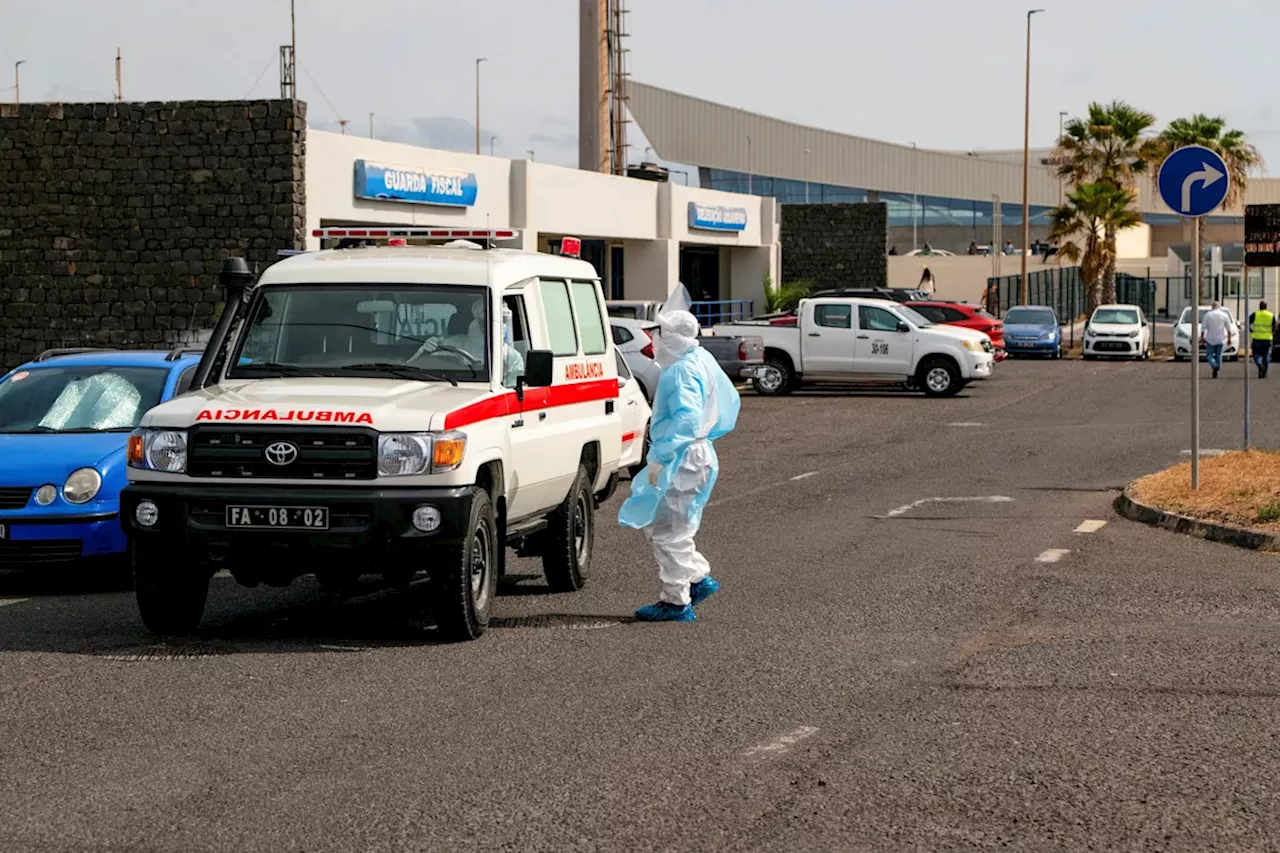
Deadly Hantavirus Strikes Cruise Ship MV Hondius, Emergency Evacuations Ongoing
Three passengers have died and a rare, human-to-human transmissible hantavirus strain has been confirmed aboard the cruise ship MV Hondius, anchored off the coast of Cape Verde, sparking urgent evacuations and international medical response.
The MV Hondius departed Ushuaia, Argentina on April 1 and has been at sea for over a month as the deadly outbreak unfolded. On May 6, 2026, emergency personnel evacuated three suspected infected individuals—including two crew members—amid growing fears of further spread.
Rare Hantavirus Confirmed with Human-to-Human Transmission
Health officials and a team of infectious disease experts have identified a rare strain of Hantavirus pulmonary syndrome on the ship—unusual for its capability to transmit between humans. This alarming development has intensified concerns over controlling the outbreak at sea.
The virus, generally associated with rodent exposure and rarely transmitted human-to-human, presents a serious public health threat, especially in the close quarters of a cruise ship. The current incubation period for symptoms ranges between 1 and 6 weeks. Passengers have been isolated on board while evacuees were urgently transferred for treatment.
Medical Flights Transport Passengers to Europe
Two medical evacuation flights carrying infected passengers and crew from the MV Hondius have landed in the Canary Islands, Spain and the Netherlands. Both locations are providing specialized care and quarantine to curb the outbreak.
Ship authorities have scheduled passenger disembarkation for May 11, aligning with the upper limit of the virus’s incubation period. This timing is crucial to prevent additional infections on land and among families.
What This Means for US Travelers and Delaware Readers
Though the MV Hondius is currently docked near Africa, the implications of a transmissible hantavirus outbreak at sea resonate globally. Cruise travel, popular among Americans and residents of Delaware, could face heightened scrutiny and health checks.
Experts urge vigilance in monitoring symptoms such as fever, muscle aches, and breathing difficulties for anyone who recently traveled by sea or to regions potentially exposed to hantavirus. U.S. health authorities are also closely tracking this situation.
Next Steps and Ongoing Coverage
The international health community is actively investigating the source of the outbreak to avoid further spread. Quarantine protocols remain in effect aboard the MV Hondius and on land where evacuees have been treated. Updates on passenger health and containment efforts will be closely monitored and reported.
“This hantavirus is particularly concerning because it spreads between people, unlike typical strains. Immediate action has been critical to prevent a wider outbreak,” said an infectious disease specialist involved in the emergency response.
The Delaware Herald will continue to provide the latest information as this developing health emergency unfolds, delivering critical updates to readers in Delaware and across the United States.