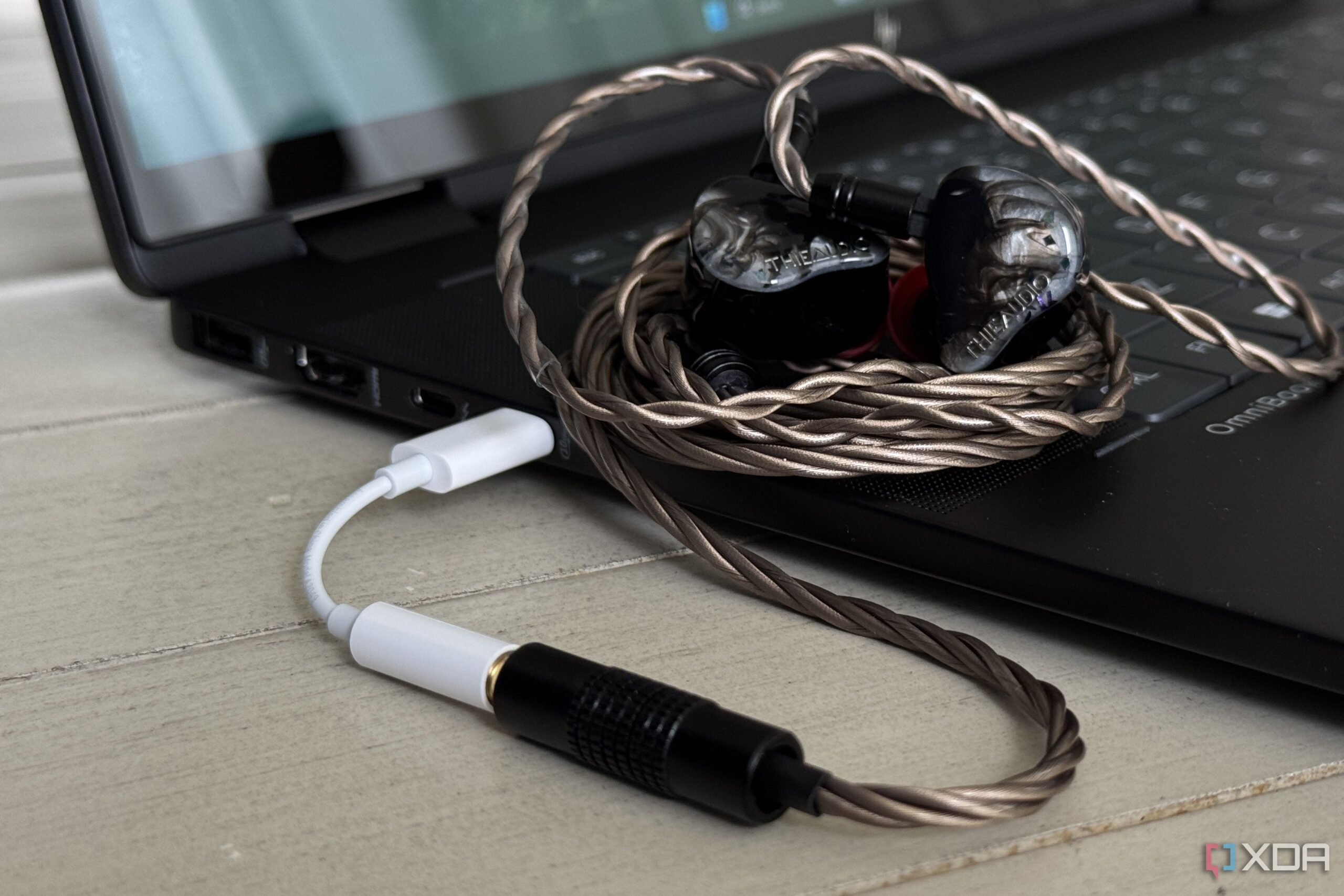
URGENT UPDATE: USB-C dock manufacturers are facing increasing criticism for neglecting crucial audio quality features in their products, and users are demanding change NOW. With the growing reliance on USB-C docks for connectivity, consumers are frustrated by subpar audio performance that undermines their overall experience.
As remote work and digital communication surge, high-quality audio is more important than ever. Despite the rise of wireless technology, many users still prefer wired audio devices due to their superior sound quality and reliability. Yet, most USB-C docks available today treat audio capabilities as an afterthought, a trend that needs to be addressed immediately.
Many USB-C docks only offer a basic 3.5mm headphone jack that delivers mediocre sound quality, suitable only for casual Zoom calls. This lack of attention to sound quality is not just disappointing; it’s detrimental to users who rely on high-fidelity audio for various activities, from gaming to music production. High-end audio enthusiasts and professionals alike are advocating for better-integrated audio solutions in USB-C docks.
The root of the problem lies in electrical noise. USB-C docks operate in a complex electrical environment that generates significant electromagnetic interference (EMI). This interference can distort audio signals, leading to unwanted hiss or static. Users report that this is a common issue when using the audio output, particularly during critical tasks that require clear sound reproduction.
According to industry experts, the solution is simple: integrate a quality DAC (Digital-to-Analog Converter) into the dock’s design. Affordable USB-C to 3.5mm adapters from brands like Fiio and iBasso prove that high-quality audio components can be cost-effective. These devices, priced between $10 and $15, deliver pure audio signal transmission without degradation.
Manufacturers are missing a crucial opportunity to cater to a growing demographic that prioritizes audio quality. The demand for high-fidelity sound is alive and well, and many consumers are willing to pay a premium for enhanced audio experiences. As more people transition to portable devices, the expectation for high-quality audio should not diminish.
The current state of USB-C docks poses a significant inconvenience for users. Many find themselves juggling multiple adapters, leading to compatibility issues and increased frustration. A dedicated audio output designed with quality components could eliminate these problems, providing a seamless experience every time.
WHAT’S NEXT: As consumers voice their dissatisfaction, it is imperative for manufacturers to take note. The demand for better audio features in USB-C docks is set to rise, and brands that respond to this call for high-quality audio integration will likely gain a competitive edge in the market. Users are encouraged to share their experiences and preferences with manufacturers to drive this change forward.
In conclusion, USB-C dock makers must step up their game. It’s time to prioritize audio quality alongside other features in their flagship products. The market is ready for a shift, and the demand for premium audio solutions is a clear message from consumers. Let’s hope manufacturers listen and act swiftly to enhance the audio experience in USB-C docks.