Pittsburg has embarked on an ambitious initiative to enhance its urban tree canopy, a move aimed at providing relief from summer heat and improving air quality. Following the award of a $2 million federal grant from the U.S. Department of Agriculture in February 2024, the city is implementing its first long-term Urban Forest Management Plan. This initiative targets neighborhoods most affected by rising temperatures and deteriorating air quality, impacting over 75,000 residents.
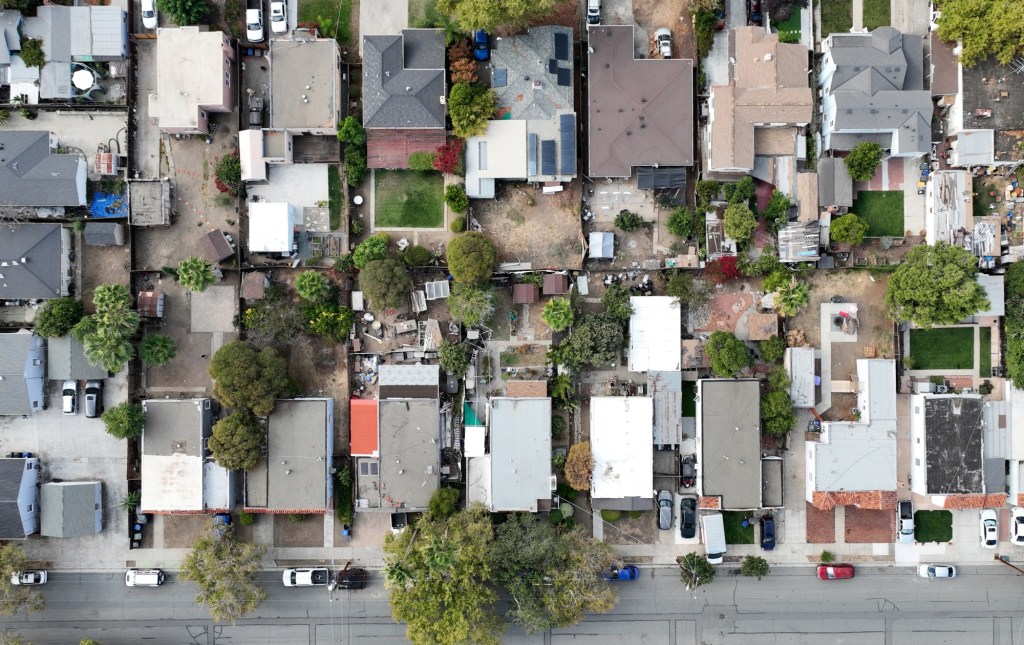
The grant is part of a larger $1.5 billion program under the Inflation Reduction Act, designed to support urban tree-planting efforts, particularly in disadvantaged communities. To launch this plan, Pittsburg is first evaluating its existing tree population and conducting a comprehensive canopy assessment. Currently, only 6% of the city’s land area is covered by trees, significantly below the national average of 14% to 15%. For comparison, nearby Fremont has a canopy cover of 14.4%, while Pleasanton boasts a robust 25.3%.
According to data from the nonprofit American Forests, Pittsburg’s “tree equity score” is below that of its neighbors in Contra Costa County. This score assesses how effectively tree benefits reach low-income communities and communities of color facing environmental challenges. Pittsburg’s score stands at 67, ranking it among the lowest in the area, with Bay Point at 62 and Antioch at 69. In contrast, Lafayette and Walnut Creek achieved scores of 99 and 93, respectively.
Natasha Farmer, an administrative analyst with the Pittsburg Public Works Department, highlighted the city’s goal to increase its canopy coverage to 10% by 2050. This ambitious target would necessitate planting nearly 30,000 trees over the next 25 years, supplementing the approximately 37,700 public trees currently managed by the city. Since 2010, Pittsburg has seen incremental growth in its tree canopy, rising from 4% to 6% by 2022.
Farmer noted that many older neighborhoods suffer from inadequate tree cover due to previous planning decisions. Some existing trees, particularly camphor trees, are problematic because their roots can damage sidewalks and asphalt. “Technically, we could remove them because they are costly to maintain,” Farmer explained. “But removing all those trees would mean losing shade and increasing heat.”
The Urban Forest Management Plan emphasizes updating tree care practices to promote resilient urban forestry while addressing inequities in shade distribution. Rather than adopting a typical 10-year plan, Pittsburg aims for a comprehensive 40-year master plan to confront climate change and sustainability challenges. The city is also soliciting feedback from residents through a survey, seeking insights to inform the plan.
The assessment by PlanIT Geo revealed that only 29% of Pittsburg’s land is suitable for new tree planting due to impervious surfaces. Nevertheless, the city plans to maximize available spaces. By January 2029, Pittsburg intends to plant 450 new trees, with half allocated to underserved areas. So far, approximately 100 new trees have been planted, and in 2027, the city plans to offer free trees to residents interested in caring for them. “We would establish a maintenance agreement, requiring residents to care for and water the trees, which will help expand our canopy,” Farmer noted.
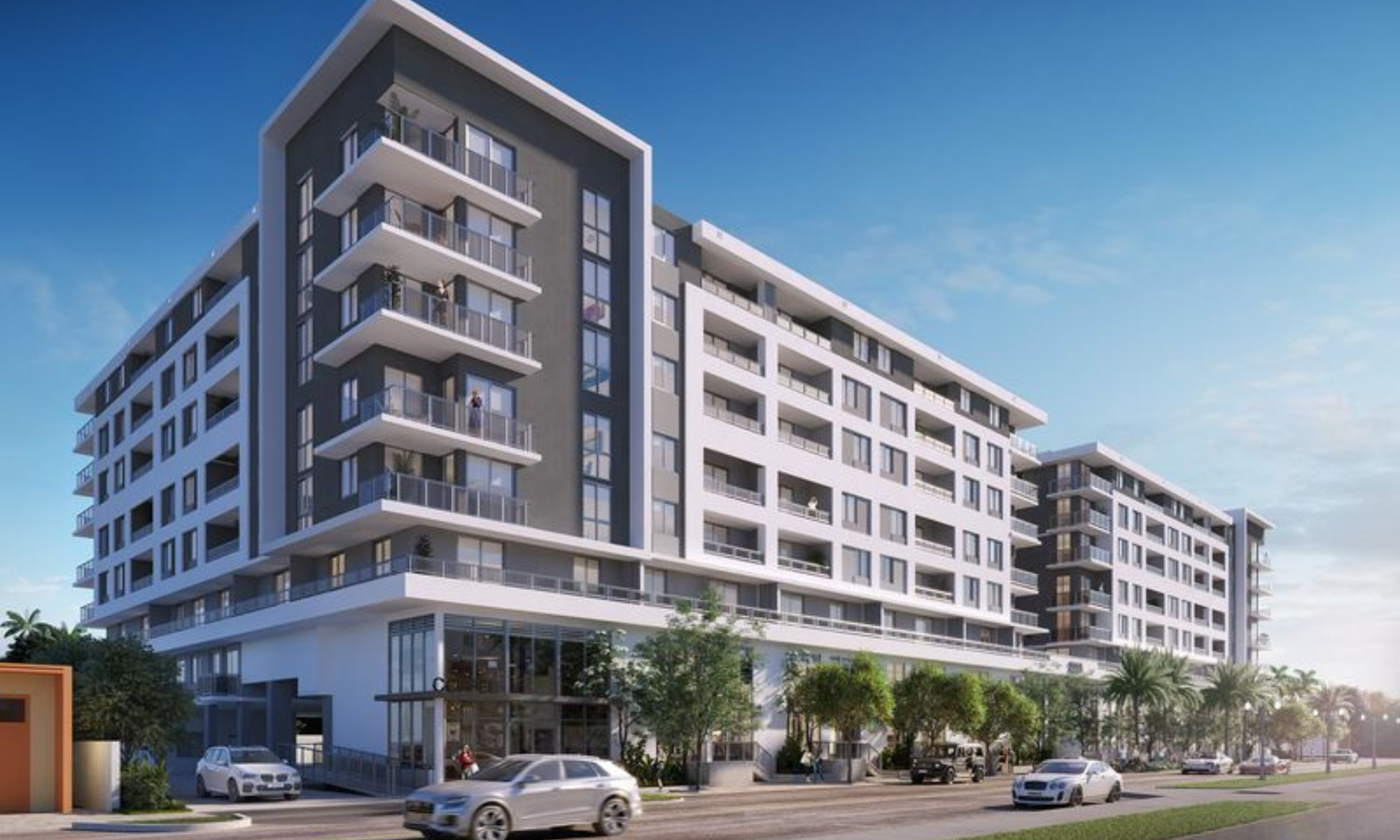
For residents like Dulce Bernal, who lives in a low-income apartment complex near Highway 4, the benefits of increased greenery cannot come soon enough. Bernal’s family struggles with heat and air pollution, which aggravates her child’s asthma. “I have to keep the air conditioner on all the time; otherwise, my child’s asthma gets triggered,” she shared, noting the financial strain of higher electricity bills.
In downtown Pittsburg, resident Isebel Morales expressed a similar sentiment. Living without air conditioning and lacking nearby parks, Morales and her children often seek refuge in shopping malls to escape the heat. “I would love to go to a green area, but there’s no green area near here,” she said. Morales believes that the city must prioritize planting in areas like downtown, Crestview Drive, and Railroad Avenue, which are home to disadvantaged populations. “The city needs to hold more planting events, not just once a year,” she urged.
As Pittsburg moves forward with its Urban Forest Management Plan, the city aims not only to enhance its tree canopy but also to foster a healthier, more sustainable environment for all its residents.