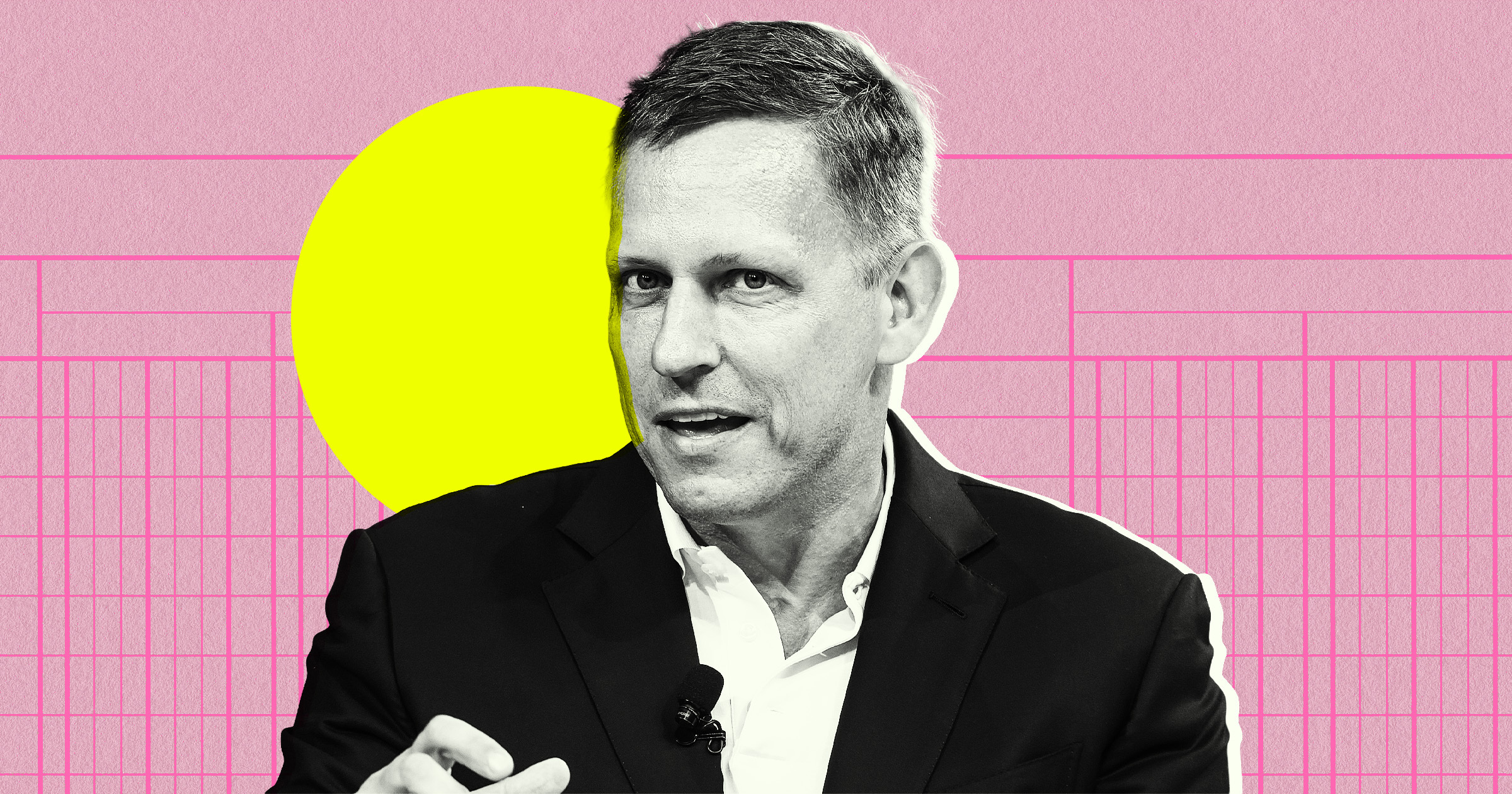
Peter Thiel, cofounder of PayPal and Palantir, has ignited widespread concern following leaked audio that reveals his alarming views on the concept of the Antichrist. The remarks, made during a private event, indicate a shift from his previously held beliefs into unsettling territory, raising questions about his influence and mental state.
In a recent discussion obtained by The Guardian, Thiel expressed his belief that the Antichrist, a figure referenced in biblical texts, is not merely a metaphor but a literal entity that could already be among us. He suggested potential candidates for this role, including climate activist Greta Thunberg and AI critic Eliezer Yudkowsky, both of whom represent ideological opposition to Thiel’s views.
Thiel’s comments reflect a troubling blend of apocalyptic thinking and a deep-seated suspicion towards those who challenge his beliefs. During the leaked lecture, he stated, “Some people think of [the Antichrist] as a type of very bad person,” and went on to elaborate on the idea of an evil king or tyrant emerging in the end times. This perspective has drawn criticism, as many perceive it as a diversion from rational discourse to superstitious fears.
The implications of Thiel’s remarks extend beyond personal belief. As a billionaire with significant power and influence over technology and political landscapes, Thiel’s obsession with the Antichrist raises alarm about his potential impact on society. His ventures into military technology and surveillance are particularly concerning, as critics argue that these tools could be employed by a figure embodying the traits of the Antichrist he fears.
During an exchange with Ross Douthat of the New York Times, the conversation took a sharp turn when Douthat questioned Thiel about the irony of his investments in tech that could be utilized by an Antichrist figure. Thiel appeared taken aback, responding, “I obviously don’t think that that’s what I’m doing.” This moment highlights the disconnect between his concerns and the real-world implications of his business activities.
Thiel’s fixation on apocalyptic themes may also indicate a deeper psychological struggle. His reflections on the Antichrist, including musings about numbers and their significance, suggest a tendency towards disordered thinking. This has led some observers to speculate about his mental health, particularly given the isolation that often accompanies extreme wealth.
As discussions about the future of technology and its governance intensify, Thiel’s remarks serve as a reminder of the complexities surrounding influential figures in the tech industry. His beliefs, once viewed as eccentric, now provoke serious concerns about the intertwining of personal ideology with significant societal consequences.
The dialogue around Thiel’s views not only invites scrutiny of his character but also raises fundamental questions about accountability in the tech sector. With his vast resources, the potential for both innovation and harm rests heavily on the shoulders of individuals like Thiel, whose recent comments underscore the urgent need for transparent and responsible leadership in technology and beyond.