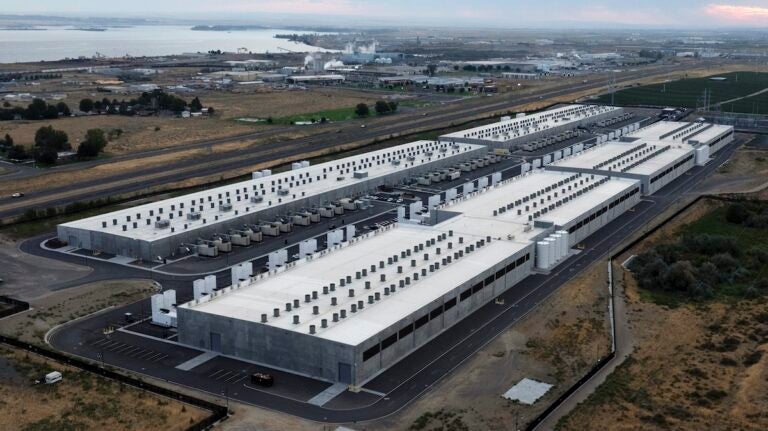
UPDATE: Residents of Conshohocken are urgently pushing back against a proposed 2 million-square-foot data center just one mile from the borough’s bustling downtown. The proposal, spearheaded by real estate developer Brian O’Neill, aims to transform the recently closed Cleveland-Cliffs steel mill site into a massive facility that could generate $21 million annually in tax revenue.
The Plymouth Township planning board has already unanimously refused to recommend the data center, citing environmental concerns and the potential for increased energy costs. With a pivotal zoning board meeting set for November 17, residents have mobilized with a petition that has gathered over 370 signatures to voice their objections.
“We want to raise awareness and ensure residents can advocate for themselves,” said Patti Smith, a local resident and petition organizer. Community members worry that the data center could exacerbate existing energy pressures and harm their environment.
Data centers are notorious for consuming vast amounts of energy, and the surge in demand from artificial intelligence technologies only heightens these concerns. According to a 2024 Department of Energy report, data center energy use has tripled over the past decade and is projected to double or triple again by 2028. Critics argue that the environmental trade-offs of such facilities do not justify their benefits, despite claims of job creation and increased tax revenues.
Opponents, including environmental groups, warn that the construction of the data center could lead to a strain on the local power grid managed by PJM Interconnection. Residents have already faced rising energy bills, and PJM’s recent capacity auction indicates further increases of 1.5% to 5% in costs.
“There’s simply not enough power generation to keep up, which means prices will continue to rise rapidly,” voiced Tom Schuster, president of the Pennsylvania chapter of the Sierra Club. He emphasized the dangers of relying on the electrical grid during peak demand times, such as hot summer days when air quality is already compromised.
While O’Neill claims the data center would utilize natural gas to produce its own energy, critics argue that this could still contribute to air pollution and greenhouse gas emissions. “The impact on our air quality is my biggest concern,” said resident Genevieve Boland, who is also leading the petition. “We cannot overlook the health risks associated with increased emissions.”
Local officials are currently grappling with how to balance the demand for data centers with the environmental implications. As lawmakers in Pennsylvania discuss legislation aimed at expediting data center development, residents continue to rally against what they view as a threat to their community’s health and environment.
As the Plymouth Township zoning board prepares to consider the proposal next month, residents are determined to mobilize community support. “Our immediate next steps are to raise awareness,” Smith stated. “We need everyone in Plymouth Township to understand what’s at stake.”
The outcome of this proposal could set a precedent for future data center developments in the region, making it crucial for residents to voice their concerns now. Stay tuned for updates as this vital issue unfolds.