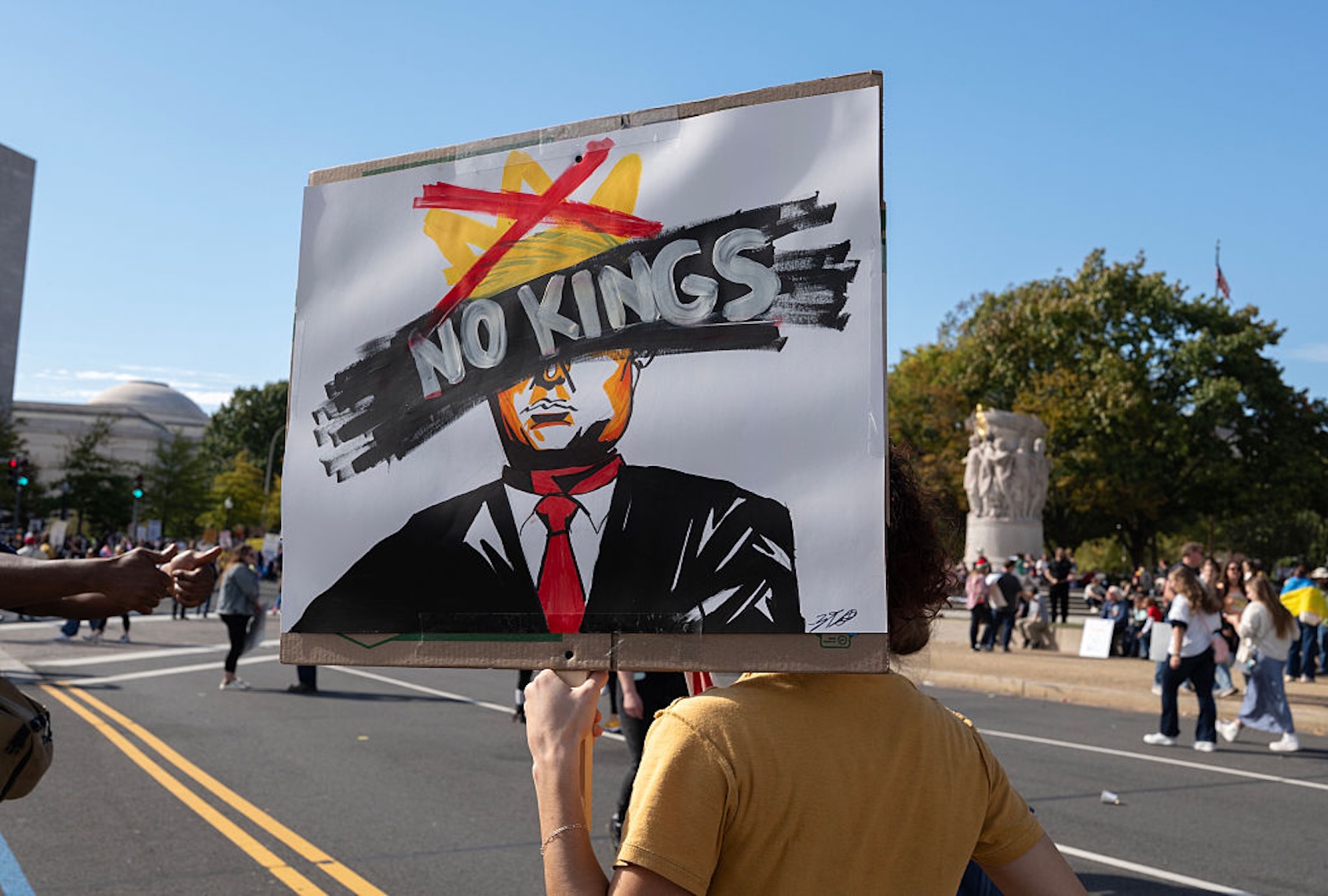
On March 16, 2024, the United States witnessed a historic wave of protests under the banner “No Kings,” with over 2,700 demonstrations reported nationwide and an estimated 7.1 million participants. This unprecedented mobilization is now considered one of the largest single days of protest in American history, signaling widespread discontent with the current political climate.
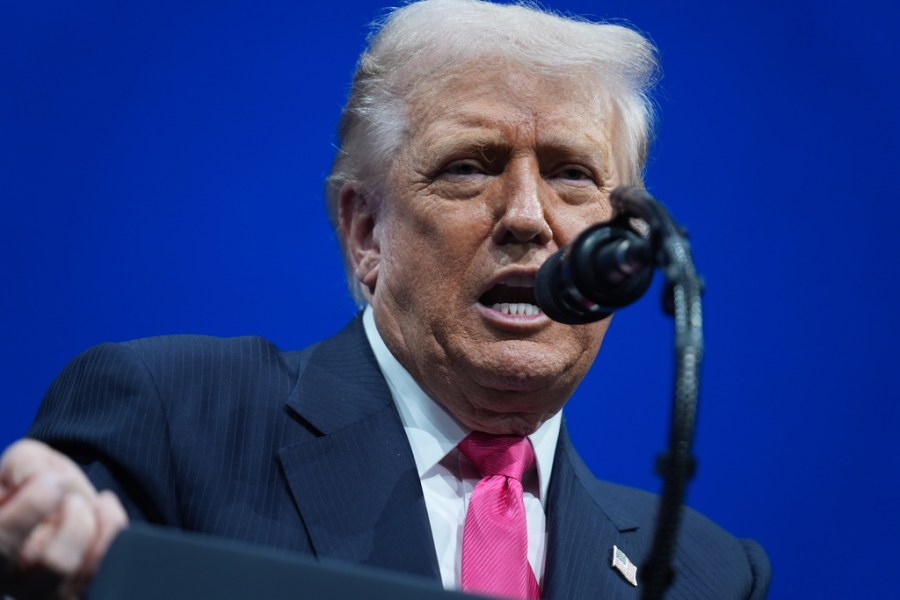
Initial reactions from the White House were dismissive. President Donald Trump, speaking to reporters aboard Air Force One, described the protests as a “joke” and claimed, “I looked at the people. They are not representative of this country.” He further downplayed the significance of the protests, labeling them as “very small” and “very ineffective.” Trump’s administration has hinted at investigating billionaire philanthropist George Soros for allegedly funding the protests, a claim lacking substantiation.
In a stark warning during an interview on Fox Business, Trump invoked the Insurrection Act, stating, “Don’t forget, I can use the Insurrection Act. Fifty percent of the presidents almost have used that.” This assertion was misleading, as only 15 presidents have historically invoked this act, typically in response to significant civil unrest.
Trump’s rhetoric has increasingly adopted an imperial tone, with remarks that raise concerns about civil liberties. Recent comments included, “I’m not a king,” followed by a playful suggestion that if he were, “we’d be doing things a whole lot faster.” Such statements have led critics to question his commitment to democratic principles.
Reactions from Political Figures and Media
The response from Republican leaders reflected a similar dismissive attitude as Trump. House Speaker Mike Johnson characterized the protests as a “hate-America rally,” emphasizing that the focus should not be on the participants but rather on the underlying ideology. He warned that the protests aimed to “dismantle capitalism” and erase the nation’s founding principles.
Media personalities from Fox News echoed these sentiments, with former White House press secretary Kayleigh McEnany asserting that Trump rallies appeared larger than the protests. Others suggested that the demonstrations were not against monarchy but rather advocated for a “leftist king” like President Joe Biden.
The protests have sparked discussions about the implications of Trump’s actions and statements. As political identities evolve in the era of Trump, the contradictions between his authoritative tendencies and the democratic values espoused by his supporters have become increasingly evident.
A Broader Implication of the Protests
The “No Kings” protests were not merely a reaction to Trump’s presidency but a manifestation of a deeper commitment to democratic ideals. MoveOn Executive Director Katie Bethell articulated this sentiment, stating, “The millions of people protesting are centered around a fierce love for our country. A country that we believe is worth fighting for.” This message resonates strongly with those who value constitutional integrity.
The political ramifications of the protests extend beyond immediate reactions. The tactics employed by Trump and his allies, including mocking the protests and framing dissent as disloyalty, highlight a troubling trend. As the protests underscored a significant demand for accountability and democratic governance, the question remains whether the political right can continue to ignore the implications of Trump’s behavior without risking greater public unrest.
The “No Kings” protests have set a new precedent for civic engagement in the United States, reflecting a collective call for democratic principles and a challenge to authoritative governance. As the nation moves forward, the focus will likely remain on the balance between political power and civil liberties, with millions of citizens prepared to express their views in the public square.