A remarkable discovery in the foothills of the Andes in La Rioja, Argentina, has unveiled one of the world’s oldest dinosaurs, known as Huayracursor jaguensis, which dates back approximately 230 million years. This nearly complete fossil, notably headless, offers significant insights into early dinosaur evolution and was detailed in a study published in the journal Nature.
The fossil was unearthed by scientists from CONICET, Argentina’s National Scientific and Technical Research Council, who described the find as an exceptional opportunity. According to Martín Hechenleitner, a researcher at the Regional Center for Scientific Research and Technology Transfer of La Rioja, “It’s one of those discoveries that don’t come along often.” Fellow researcher Agustín Martinelli emphasized the fossil’s great age, estimating it to be between 230 and 225 million years old, thus positioning it among the earliest known dinosaurs.
Understanding Huayracursor’s Significance
The newly identified species, Huayracursor, belongs to the sauropodomorph group, characterized by long necks and herbivorous diets. Measuring approximately 2 meters (about 6 feet) in length and weighing around 18 kilograms (approximately 40 pounds), Huayracursor was larger than other dinosaurs from the same era, such as the Bagualasaurs, which is significant for understanding its evolutionary lineage.
Hechenleitner noted two defining features of Huayracursor: its notably longer neck and greater size compared to contemporaries. These traits support the idea that the evolution of significant characteristics in sauropodomorphs occurred much earlier than previously thought. The fossil includes a vertebral column, forelimbs, hindlimbs, and parts of the skull, enabling researchers to make informed size estimates.
Exploring the Untapped Triassic Region
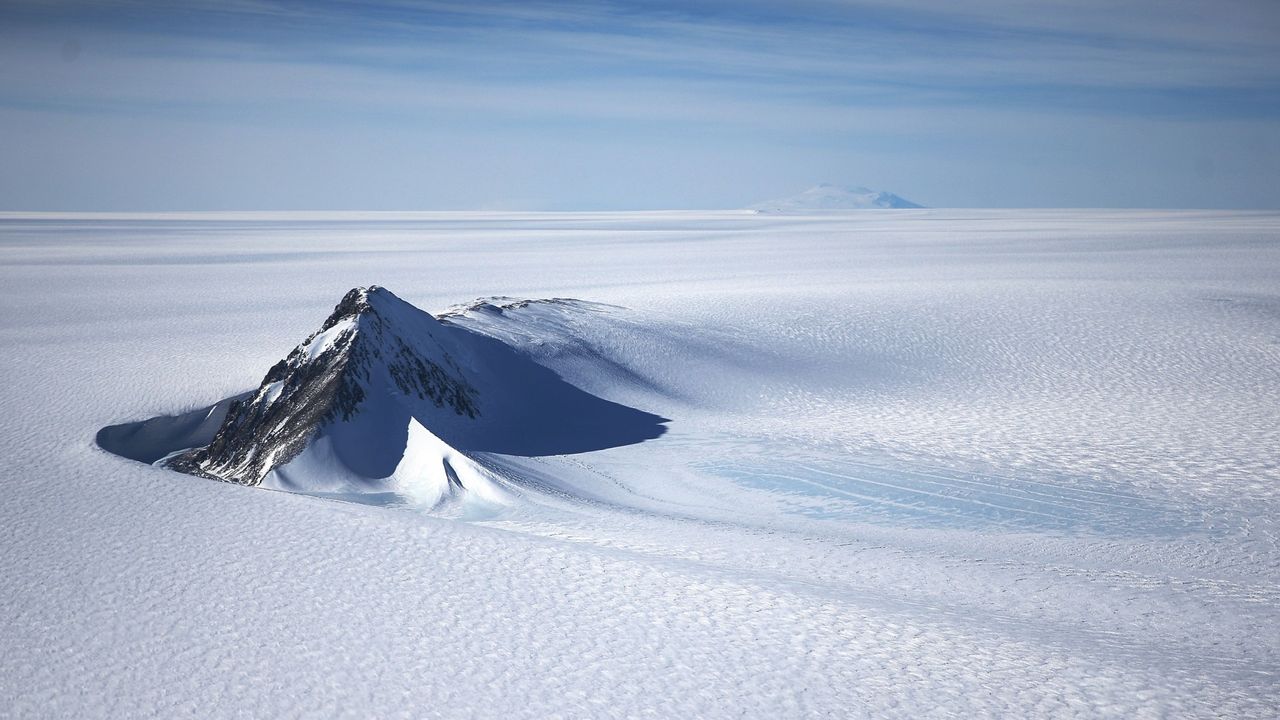
The discovery took place during an expedition that marked the first scientific exploration of this remote area of La Rioja. Historically, the region had been largely unexamined due to its difficult terrain and harsh weather conditions. In the last decade, however, paleontologists have made significant finds, indicating that the area is rich in Triassic fauna.
Martinelli remarked on the potential for future discoveries, stating, “This new region, within a virtually unexplored geological basin, opens up the prospect of major discoveries.” He highlighted the rarity of discovering completely new sites that showcase extraordinary preservation and abundance of ancient fauna.
The name Huayracursor reflects the environment in which the fossil was found, with “Huayra” signifying wind in the local language, while “jaguensis” refers to a nearby village, Jagué.
As paleontologists look to the future, the implications of this discovery extend beyond Huayracursor alone. The completeness of the fossil will likely aid in expanding knowledge about early sauropodomorph evolution. Research team member Sebastián Rocher noted the unique geological context of the area, suggesting that further exploration into the Andes could yield even more significant finds.
In summary, the identification of Huayracursor jaguensis not only enriches our understanding of the dinosaur lineage but also highlights the potential of previously unexplored territories in Argentina. This discovery exemplifies the ongoing quest to uncover the mysteries of the ancient world and the evolutionary narrative of dinosaurs.