The Department of Homeland Security (DHS) announced the arrest of nearly **500,000** individuals identified as illegal immigrants over the past nine months, with a significant majority facing criminal charges or having prior convictions. Secretary Kristi Noem emphasized that these operations reflect a focused effort to enhance public safety by removing individuals deemed a threat to communities.
The surge in arrests underscores the administration’s commitment to enforcing immigration laws. According to DHS, approximately **70 percent** of those apprehended have criminal records. This initiative, primarily carried out by Immigration and Customs Enforcement (ICE), aims to identify and remove dangerous offenders from the country.
Specific Cases Highlighted
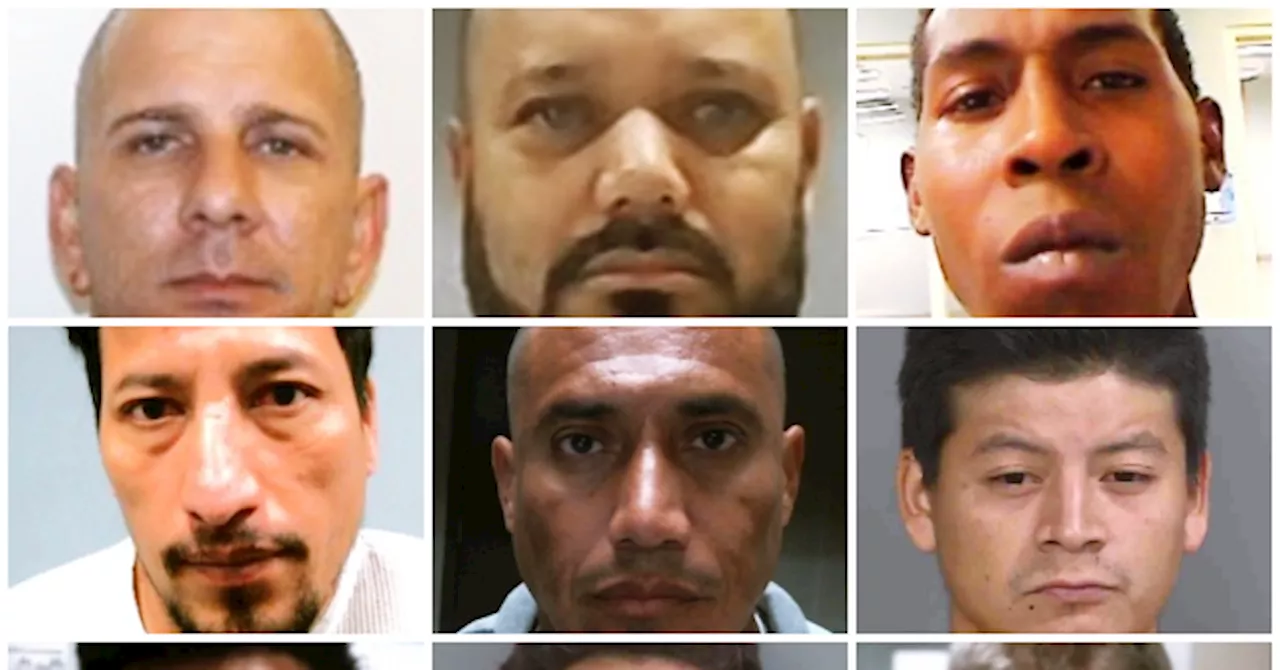
Several cases were highlighted to illustrate the nature of these arrests. One notable instance involves **Erick Carlos Artiles Ramos**, a Cuban illegal immigrant with a history of severe criminal activity, including homicide and robbery. Despite a deportation order issued in **2008**, Ramos remained at large until his recent apprehension.
Similarly, **Oscar Alfredo Retana Marroquin**, an illegal immigrant from El Salvador, was arrested after being convicted of sexual assault against a child and driving under the influence. He had previously been deported twice. Another case is that of **Arturo Sanchez Morales**, a Mexican illegal immigrant with a final deportation order from **2019**, who had been convicted of serious offenses involving a minor.
Additionally, **Lelis Reinaldo Bejarano-Zeron**, from Honduras, was apprehended by ICE after being convicted of domestic violence; he had also been deported twice. These cases highlight the range of offenses committed by those arrested and the focus of DHS and ICE operations.
Political and Public Reactions
The administration’s approach to immigration enforcement continues to generate significant debate among politicians and the media. Discussions surrounding border security, immigration policy, and the role of law enforcement in handling illegal immigration remain active. Proponents of the administration’s actions argue that such measures are necessary to protect citizens and uphold the rule of law.
Critics, on the other hand, express concerns regarding the impact of these arrests on families and communities, questioning the fairness and efficiency of the immigration processes. The substantial number of arrests has amplified calls for a comprehensive approach to immigration reform, addressing border security and creating legal pathways for immigration while ensuring efficient processing of cases.
The government maintains that these operations are crucial for public safety, aiming to prevent further victimization and maintain order within the nation. Secretary Noem’s statements reflect a commitment to ensuring justice and protecting communities from individuals who pose a danger.
As discussions around immigration policy evolve, the ongoing discourse highlights the complexities surrounding national security and social justice. The DHS continues to advocate for its policies, asserting that they are vital for the safety of citizens and the integrity of immigration laws.