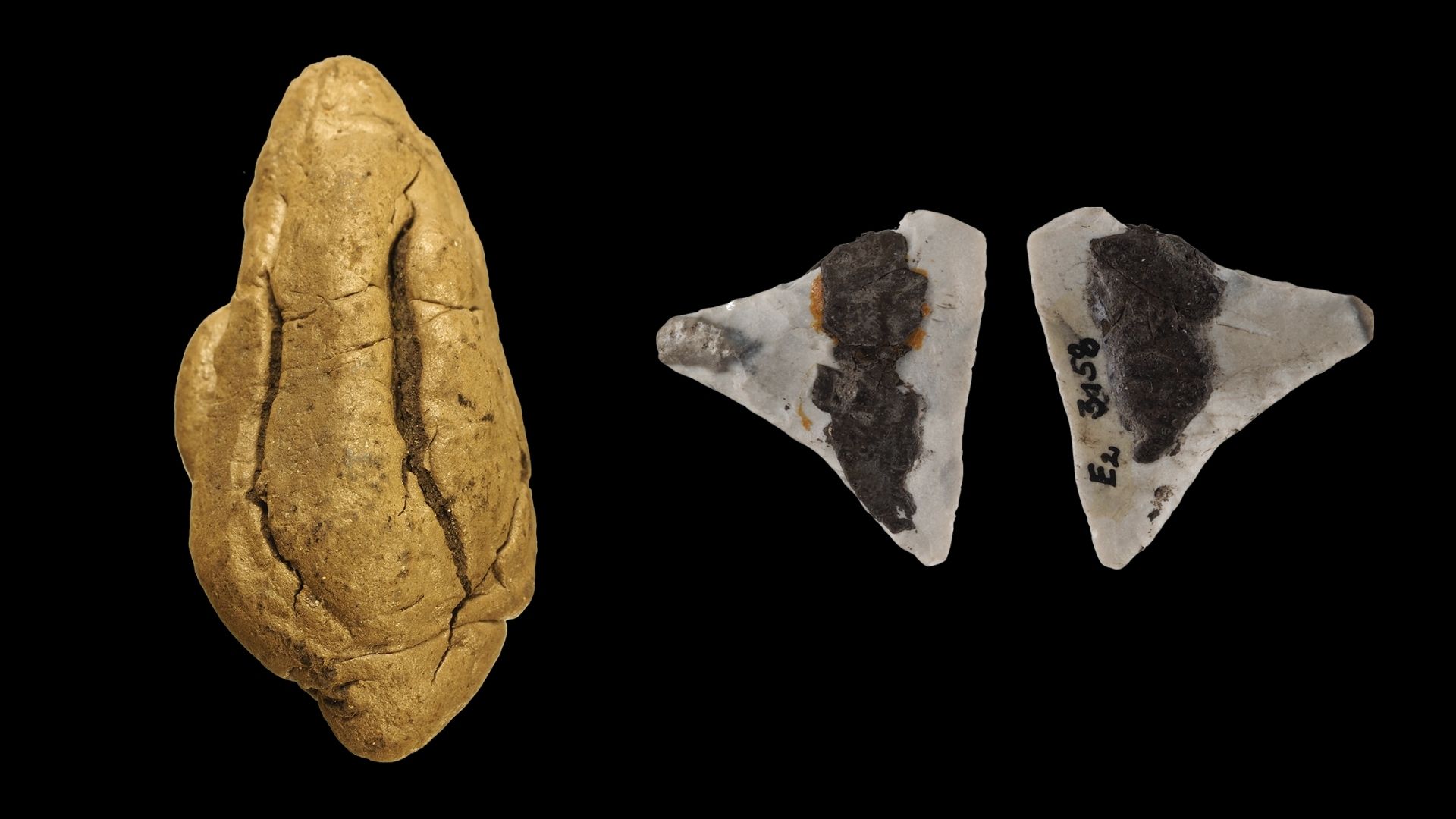
A recent study conducted by researchers from the University of Copenhagen has provided new insights into gender roles during the Neolithic age, approximately 6,000 years ago. The research focused on discarded birch tar, often likened to ancient “chewing gum,” used by Neolithic communities in the European Alps.
The team, led by Anna White, analyzed 30 birch tar artifacts collected from nine sites, primarily lake settlements. Among these artifacts, twelve were identified as loose wads, showing signs of chewing. While the exact reasons for chewing birch tar remain uncertain, it has been suggested that it may have been consumed for its medicinal properties, as it contains natural compounds known for their antimicrobial effects.
Decoding Ancient Practices
The researchers found that birch tar, recognized as the oldest synthetic material in the world, served multiple purposes. Beyond its potential medicinal uses, it was employed for crafting stone tools, repairing pottery, and as a component in daily life. The preservation qualities of the tar allowed for the entrapment of saliva, food particles, and DNA, providing a unique glimpse into the lives of these ancient communities.
In this groundbreaking study, the team extracted DNA from 19 samples of the birch tar. This analysis revealed distinct gender-related patterns in the daily activities of Neolithic individuals. Some samples contained traces of linseed (Linum usitatissimum) and poppy seeds (Papaver somniferum). The latter may indicate either dietary consumption or use for its psychoactive effects.
The presence of human DNA in the samples enabled the researchers to identify the sex of the individuals who chewed the tar. They noted, “The presence of human and oral microbial DNA in some of the samples suggests the tar was chewed, in some cases by multiple individuals.” This discovery offers valuable insights into the gendered practices of the past, while plant and animal DNA provides further context regarding ancient diets and potential additive uses.
Gender Roles Uncovered
The findings indicated that male DNA was predominantly found in tar used as adhesive on stone tools, whereas female DNA was associated with tar used in the creation of pottery items. This led the researchers to infer that men primarily engaged in tool-making, while women were likely responsible for pottery production in Neolithic societies.
The researchers also considered an alternative explanation for the chewing of tar: it may have been a method to soften the material, which hardens when cooled. They suggested that saliva could diminish the adhesive properties of the tar, which could only be restored through reheating. “[This] may explain why we find less oral microbial DNA in the hafted samples and the ceramic tars than in some of the ‘chewed’ pieces,” the researchers noted.
Because human remains from the Neolithic era are scarce, these ancient chewing gum remnants offer a rare opportunity for scholars to uncover aspects of prehistory that might otherwise be lost. This research has been published in the Proceedings of the Royal Society B, contributing to our understanding of social structures in early European civilizations.