URGENT UPDATE: Phillips 66 and Kinder Morgan Inc. have just announced a groundbreaking initiative to construct a new pipeline system aimed at delivering essential fuel supplies to California, Arizona, and Nevada. This unprecedented project comes as California faces a critical fuel supply crisis due to dwindling in-state refining capacity.
The proposed Western Gateway Pipeline will transport gasoline and other fuels from as far away as the Midwest, significantly boosting the state’s reliance on imported fuels. This development is crucial as California’s fuel market becomes increasingly vulnerable, with motorists already feeling the strain of rising prices at the pump.
The project is set for completion by 2029, marking the first pipeline system designed to deliver motor fuels directly into California. This is particularly noteworthy as the state has long been isolated from major refining hubs located in the Gulf Coast and Midwest.
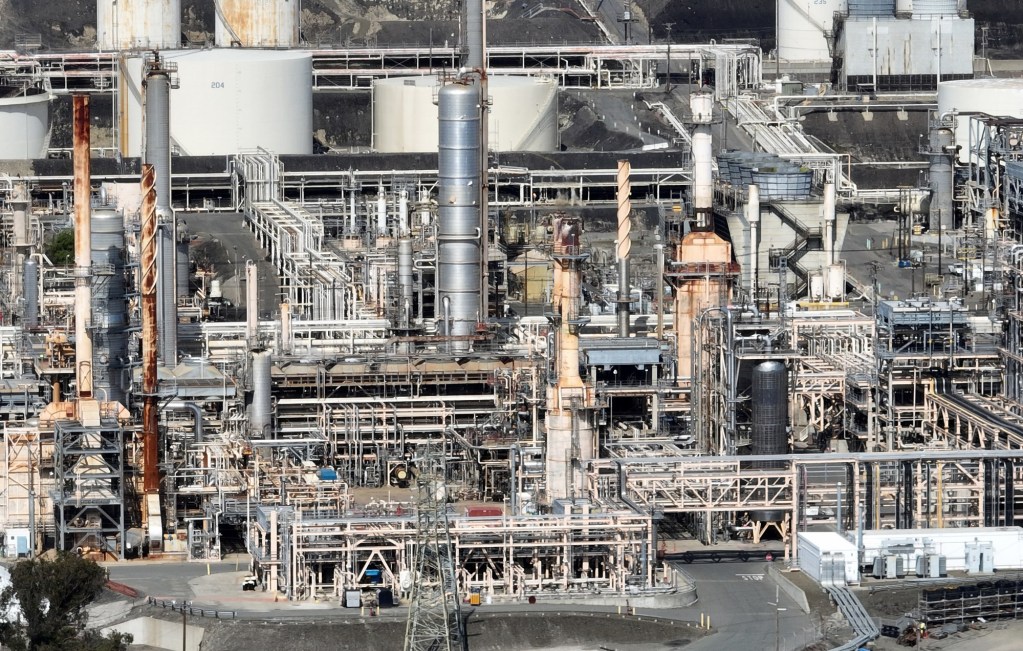
In a statement released on December 19, 2023, Phillips 66 announced the launch of an open season for bids from shippers looking to reserve space on the new pipeline system. The urgency of this initiative is underscored by recent refinery closures and conversions in California, including the impending shutdown of Phillips 66’s Los Angeles-area plant, which threatens to exacerbate fuel shortages and drive up prices even further.
The Western Gateway Pipeline will connect Borger, Texas, where Phillips 66 operates a refinery, to Phoenix, Arizona. To maximize capacity, Kinder Morgan will reverse the flow on its existing California-to-Arizona pipeline, known as SFPP, enabling more fuel to flow into the Golden State. Additionally, Phillips 66 plans to reverse the flow on the Gold Pipeline, facilitating the movement of Midwest fuel westward.
This urgent project comes amid a backdrop of significant challenges for California’s energy sector, including recent refinery fires and ongoing wildfires that have further strained fuel supplies. As consumers brace for potential price hikes, the impacts of this project will be felt not only in California but also in neighboring states.
As the bidding window closes soon, industry experts and stakeholders are watching closely to see how this initiative will unfold and its potential to reshape California’s fuel landscape. The urgency of this development cannot be overstated as it aims to address immediate fuel supply challenges and protect consumers from further price surges.
Stay tuned for more updates on this developing story that could significantly alter the fuel supply dynamics in one of the largest markets in the U.S.