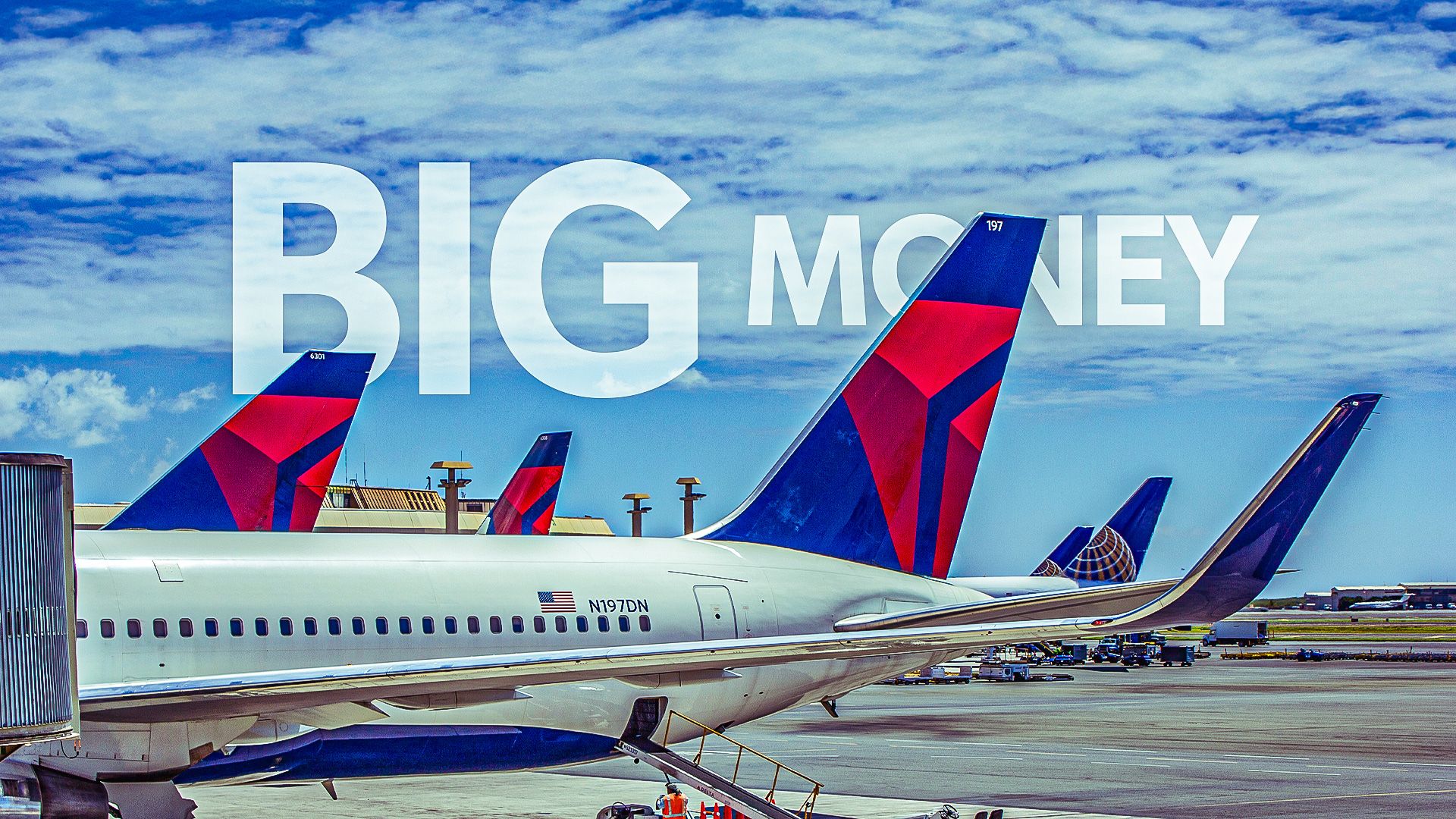
The compensation packages for airline CEOs in the United States have seen significant increases following the end of the CARES Act, which previously capped executive pay during the pandemic. In 2024, the total compensation for the leaders of the four largest US airlines showcased a dramatic rise, reflecting a return to unrestricted earnings after the pandemic-related restrictions were lifted.
With the CARES Act ending on April 1, 2023, airline executives were no longer bound by the limitations established to mitigate the economic impact of COVID-19. This change allowed for substantial increases in their earnings, particularly notable for United Airlines CEO Scott Kirby, whose total compensation soared from $9.8 million in 2022 to $33.9 million in 2024, according to data from Aviation A2Z.
Examining CEO Compensation at Major Airlines
In 2024, the compensation breakdown for CEOs of the “Big Four” airlines reveals stark contrasts in their earnings. The figures are as follows:
– **United Airlines (UA)**: Scott Kirby – Base Salary: $1.2 million, Bonus: $3 million, Non-Equity Incentive: $5.1 million, Stock Awards: $24.4 million, Total: $33.9 million
– **Delta Air Lines (DL)**: Ed Bastian – Base Salary: $1.5 million, Bonus: $3 million, Non-Equity Incentive: $11.6 million, Stock Awards: $11 million, Total: $27.1 million
– **American Airlines (AA)**: Robert Isom – Base Salary: $1.2 million, Bonus: $2 million, Non-Equity Incentive: $5.4 million, Stock Awards: $7 million, Total: $15.6 million
– **Southwest Airlines (WN)**: Bob Jordan – Base Salary: $1.2 million, Bonus: $2 million, Non-Equity Incentive: $2.4 million, Stock Awards: $5 million, Total: $10.6 million
The substantial increases in compensation can be attributed to various factors, including airline performance and board decisions. For instance, United Airlines experienced strong stock growth in 2024, which directly influenced Kirby’s equity compensation. Delta maintained consistent profitability and customer satisfaction metrics, contributing to Bastian’s earnings. In contrast, American Airlines adjusted Isom’s compensation downward due to mixed financial results and shareholder concerns.
Pay Disparities and Public Perception
The widening gap between CEO compensation and that of average airline employees has drawn scrutiny. According to a report by Forbes, the CEO-to-average worker pay ratios for the major airlines are as follows:
– Scott Kirby (United): 380-to-1
– Ed Bastian (Delta): 258-to-1
– Robert Isom (American): 191-to-1
– Bob Jordan (Southwest): 115.5-to-1
While these ratios are lower than those seen in other sectors, they still illustrate a significant disparity. Critics argue that after receiving government assistance during the pandemic, it is inappropriate for these airlines to grant substantial pay increases to their CEOs. The taxpayer-funded bailout, aimed at stabilizing the airline industry, raises questions about the ethics of such compensation packages.
Customer sentiment reflects this growing frustration. Many passengers express dissatisfaction with the service quality and seating arrangements in light of the high executive pay. Comments on social media platforms have highlighted perceptions that executives, like Scott Kirby, are disconnected from the experiences of average travelers. Critics have noted, “Kirby’s got 31.4 million reasons why he couldn’t care less about passengers being packed on the plane like sardines.”
This sentiment underscores a broader debate about corporate governance and accountability in the airline industry. The discussion includes whether the high salaries are justified by the complexities of running large-scale operations or if they represent a misallocation of resources in an industry that often struggles with profitability.
As the industry continues to evolve, the implications of these compensation trends may shape future discussions on corporate responsibility and employee welfare. The airline sector’s recovery post-pandemic remains a crucial focal point, not only for corporate leaders but also for the millions of passengers who depend on these essential services.