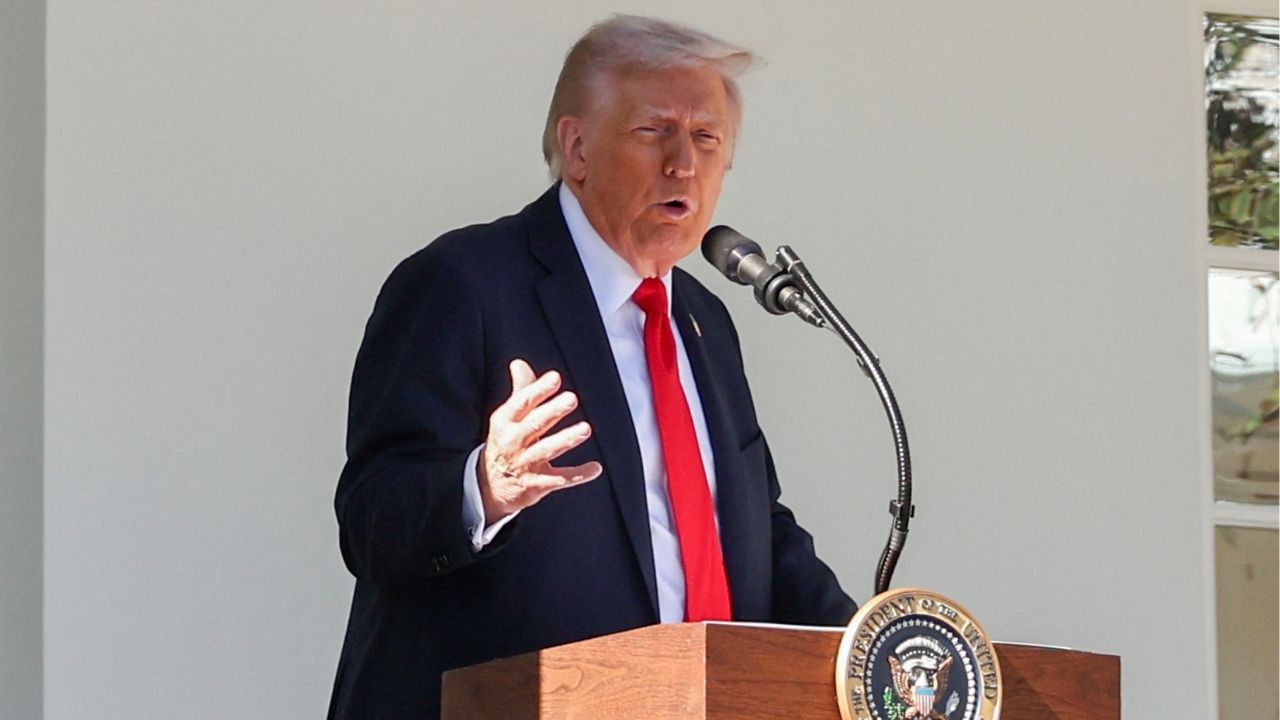
President Donald Trump firmly rejected claims that the United States has authorized Ukraine to use long-range missiles against targets deep within Russia. This statement was made on March 15, 2024, in response to a report from The Wall Street Journal, which cited unnamed U.S. officials suggesting that the Trump administration had lifted restrictions on the use of certain long-range missiles supplied by Western allies.
Trump took to Truth Social to clarify his position, describing the report as false. He emphasized, “The U.S. has nothing to do with those missiles, wherever they may come from, or what Ukraine does with them!” This assertion has led to further scrutiny regarding the U.S. military’s role in the ongoing conflict between Ukraine and Russia.
The report from The Wall Street Journal indicated that the approval would allow Ukraine greater flexibility in targeting Russian military assets. However, Trump’s denial raises questions about the extent of U.S. involvement in the conflict and the policies guiding military support for Ukraine.
Trump’s comments illustrate a broader debate within U.S. foreign policy circles about the level of military aid provided to Ukraine. The situation remains fluid, as discussions about the effectiveness of different weapon systems continue among U.S. and allied military strategists.
As the conflict in Ukraine continues, the implications of military decisions made by the U.S. and its allies will remain critical for international relations in the region. The administration’s stance appears to be focused on maintaining a degree of separation from direct military actions undertaken by Ukraine.
According to analysts, the uncertainty surrounding missile usage reflects the complexities of diplomatic relations and military strategy. The U.S. has previously supplied various forms of military assistance to Ukraine, but the introduction of long-range capabilities poses significant strategic considerations.
In conclusion, Trump’s emphatic denial of U.S. approval for Ukraine’s use of long-range missiles highlights the intricate balance of support and restraint that characterizes American foreign policy in this ongoing conflict. As events unfold, further clarification from U.S. officials may be necessary to clarify the current military strategy and its potential consequences for the region.