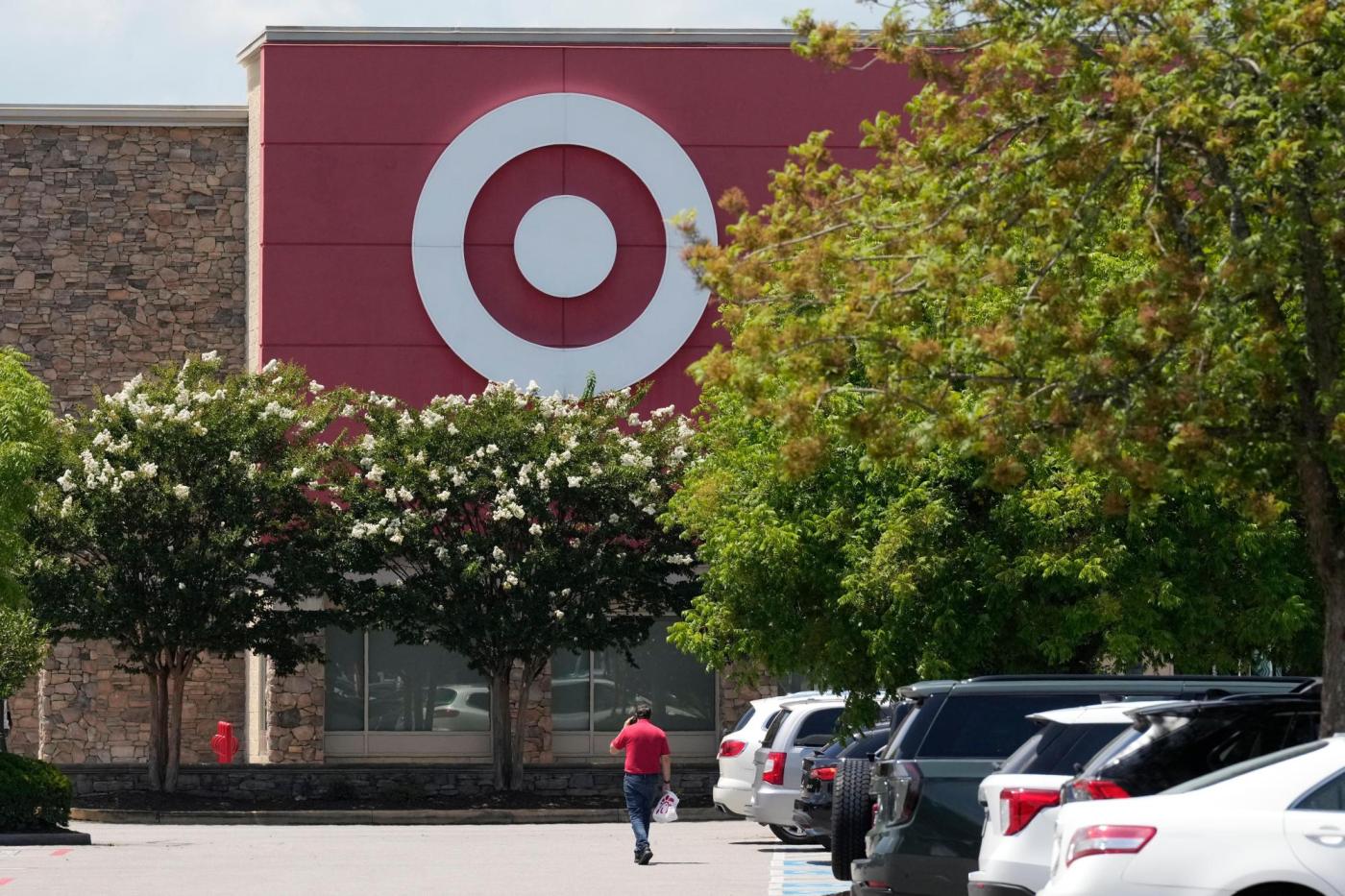
BREAKING: Target is set to eliminate approximately 1,800 corporate jobs as part of a dramatic restructuring aimed at revitalizing the discount retailer’s struggling customer base. This announcement, made on Thursday, reflects the company’s urgent response to ongoing challenges in a competitive market.
According to a company spokesperson, around 1,000 employees will receive layoff notices next week, while 800 vacant positions will also be closed. These cuts account for about 8% of Target’s global corporate workforce, predominantly affecting those at the company’s Minneapolis headquarters. Importantly, no store employees or workers in sorting, distribution, and supply chain facilities will be impacted by these layoffs.
Chief Operating Officer Michael Fiddelke, who is poised to take over as Target’s CEO on February 1, communicated the downsizing in a note to personnel, emphasizing the need for streamlined decision-making. Fiddelke stated, “The truth is, the complexity we’ve created over time has been holding us back. Too many layers and overlapping work have slowed decisions, making it harder to bring ideas to life.”
These layoffs are a response to Target’s recent performance struggles, as the company has faced increased competition from giants like Amazon and Walmart. Inflation has led to a decline in discretionary spending among customers, resulting in flat or declining comparable sales for nine of the past eleven quarters. In August, Target reported a 1.9% drop in comparable sales for its second quarter, with net income down by 21%.
Fiddelke outlined three urgent priorities for the company: reclaiming its role as a leader in merchandise selection and display, enhancing the customer experience with well-stocked and organized stores, and investing in technology. He reiterated these goals in his message to employees, noting that the layoffs are a “necessary step in building the future of Target and enabling the progress and growth we all want to see.”
As Target attempts to redefine its strategy, the company faces heightened scrutiny from consumers who have expressed dissatisfaction with store conditions. Complaints about messy aisles and disorganized shelves have plagued the brand, contradicting its long-held reputation as a budget-friendly yet upscale retailer.
In the coming days, employees will await further information regarding the layoffs and their implications. Fiddelke has asked Minneapolis office staff to work from home next week to facilitate the transition.
As this story develops, Target’s ability to navigate these changes will be critical to its future success and its reputation with consumers. Stay tuned for updates on how these layoffs will impact the company and its workforce.