A groundbreaking initiative led by researcher Rébecca Kleinberger is transforming the way animals interact with technology. The project began with a hyacinth macaw named Sampson, who discovered that nibbling a special device would trigger music. This device, aptly named the Joy Branch, allowed Sampson to not only enjoy music but also attract visitors to his exhibit at the San Diego Zoo. Kleinberger’s work emphasizes the idea that technology should enhance the lives of animals rather than forcing them to adapt to human-centric environments.
Since her collaboration with Sampson in 2019, Kleinberger has become an assistant professor at Northeastern University and has founded the Interspecies Technology for Enrichment and Research on Animal Connection and Togetherness (INTERACT) Animal Lab. Her research spans various species in diverse settings, including pets, zoo animals, and wildlife. While at the Massachusetts Institute of Technology, where she earned her master’s and doctoral degrees, she began exploring how technology could be designed to enrich animal lives.
Kleinberger explained, “We can never really prove that an animal understands what they are doing or that they have control, but we can look into the engagement they have with it, how often they use it.” Each project involves collaboration with experts in animal behavior to assess whether animals perceive any sense of control over the technology.
Current Projects and Future Research
In spring 2023, Kleinberger taught a class focused on designing technology tailored for animals, which included students from Northeastern University, MIT, and Harvard University. Some students continued their involvement during the summer, assisting in the deployment of new technologies at Zoo New England, which comprises Franklin Park Zoo in Boston and Stone Zoo in Stoneham.
A separate research project with Tandem Vet Care is investigating methods to reduce stress in cats during veterinary appointments. Although details about the studies are limited, Kleinberger indicated that findings would be published in the coming months.
Kleinberger’s lab has made significant strides in playful and engaging projects. In collaboration with the University of Glasgow, she conducted a three-month study examining how 20 pet parrots interacted with touchscreen games. This research, published in 2024, aimed to understand the potential of these games for animal enrichment and how to tailor them to meet the tactile needs of parrots.
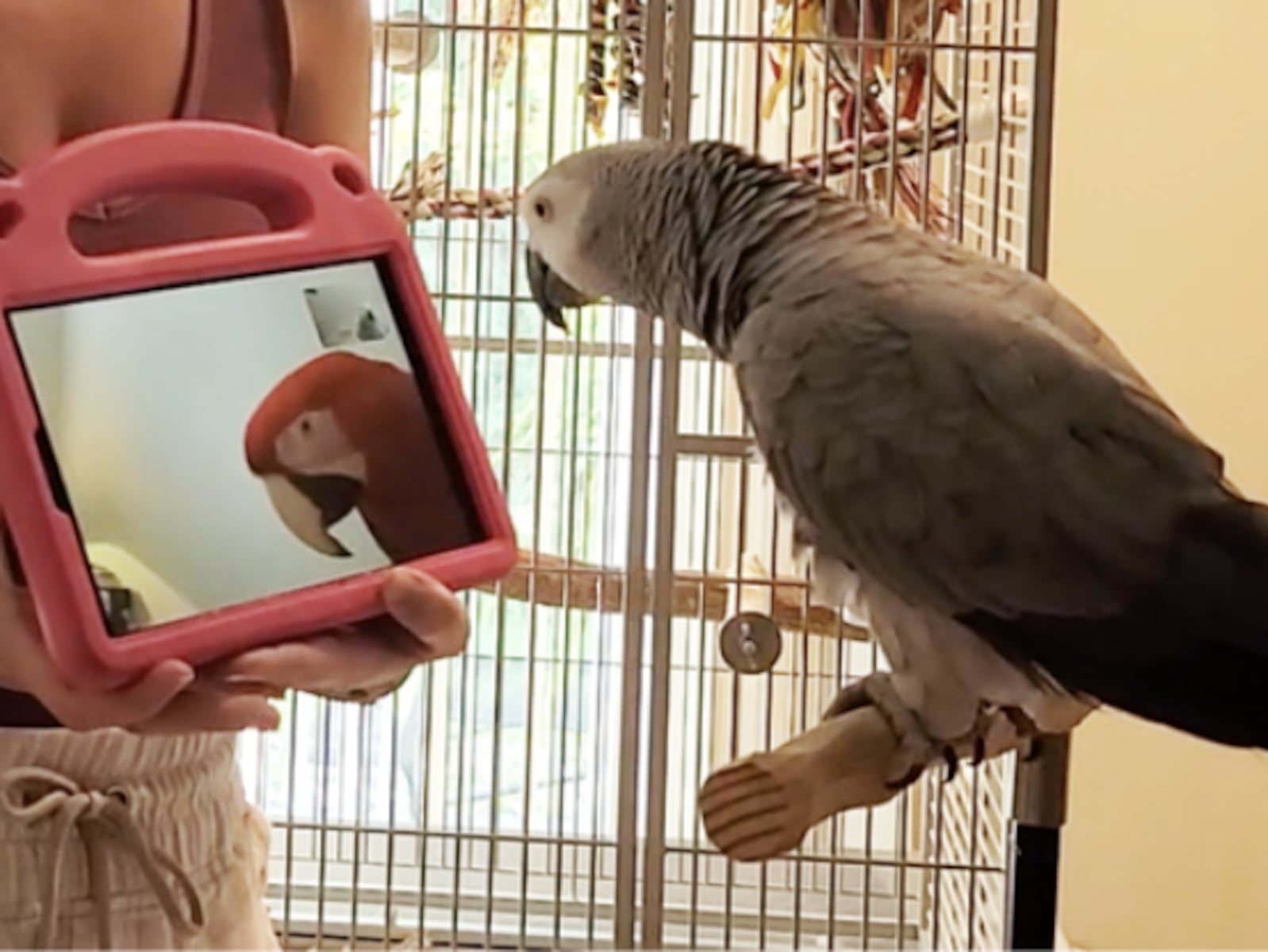
Another noteworthy initiative involved a three-month study with 18 pet birds to evaluate a parrot-to-parrot video calling system. The results revealed that most birds engaged with the system, leading to a total of 147 bird-initiated calls. Caretakers noted beneficial outcomes, such as improved flying and foraging skills learned through these interactions.
INTERACT Animal Lab’s Unique Approach
While many labs worldwide focus on testing animal intelligence or behavior, Kleinberger’s INTERACT Animal Lab stands apart. She emphasizes that her research is not aimed at testing animals but rather at improving their quality of life. “We’re there to try to see how we can improve their life, how can we use every tool we have and create new tools to make a difference in their lives?” she stated.
Kleinberger is acutely aware of the ethical implications of using technology with animals. She collaborates exclusively with accredited zoos and organizations that uphold high standards of animal welfare. Additionally, she focuses on educating the public and working closely with zookeepers to better understand animal needs.
Addressing the broader responsibilities of humans toward animals, Kleinberger asserts, “There is so much potential because so much of the technology is there. The tools are not in the hands of the right people.” She highlights that much existing pet technology is designed with human convenience in mind rather than for the benefit of animals themselves.
Kleinberger reflects on past efforts, such as those involving Koko the gorilla and sign language, and contrasts them with her approach. “I see it as really trying to have the animal go most of the way toward our human languages, and I’m trying to do the inverse,” she said.
As research in animal technology continues to evolve, Kleinberger’s work showcases how thoughtful innovation can lead to more enriching experiences for animals, ultimately fostering a deeper connection between species.