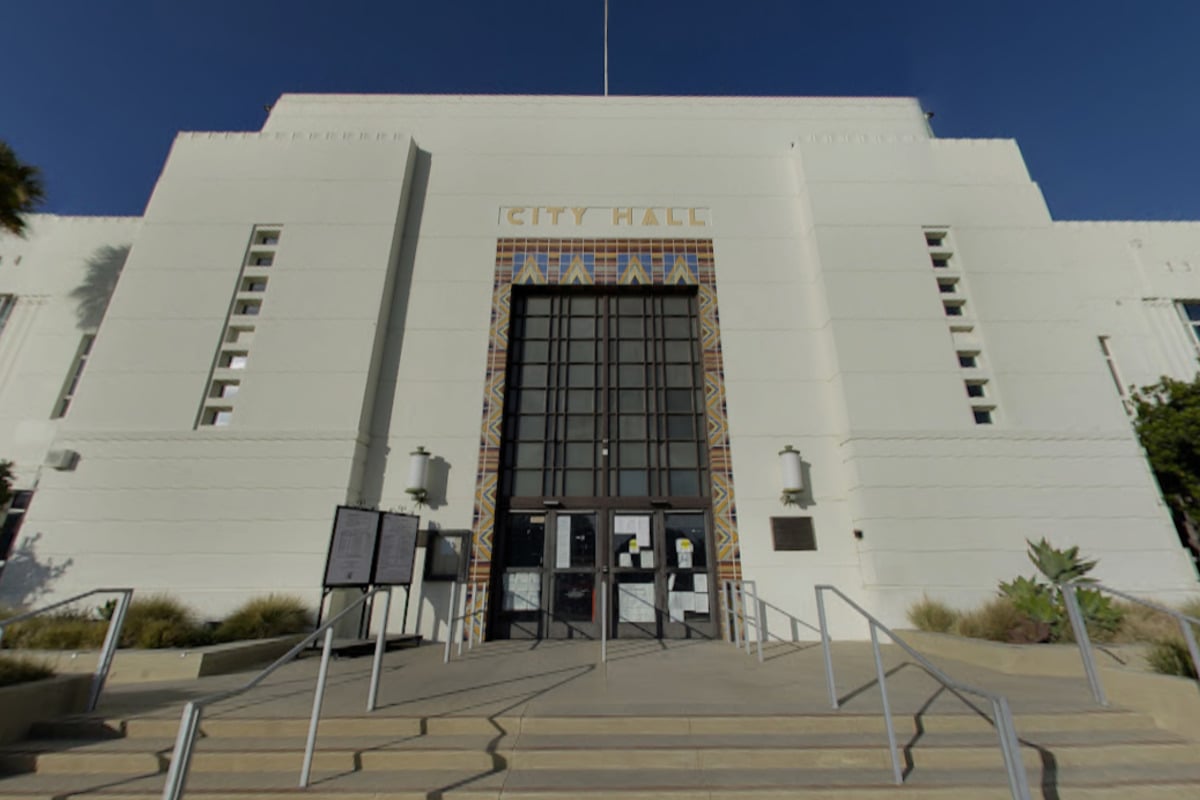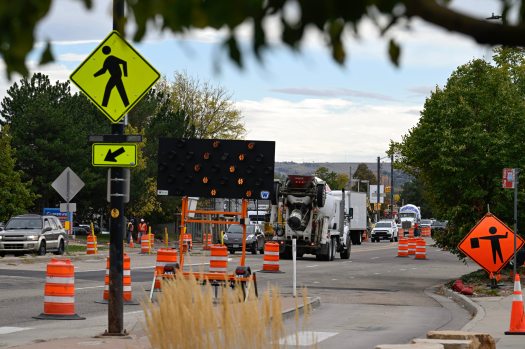
BREAKING: The Boulder City Council has just approved a new transportation management fee that is expected to generate approximately $6.2 million for vital infrastructure projects. The vote, which took place on Thursday, October 12, 2023, passed with a 6-3 majority, highlighting a significant moment for the city as it grapples with its ongoing transportation funding challenges.
Council members Ryan Schuchard, Matt Benjamin, Tina Marquis, Nicole Speer, Mayor Pro Tem Lauren Folkerts, and Mayor Aaron Brockett were in favor, while council members Mark Wallach, Taishya Adams, and Tara Winer opposed the measure. This vote marks the third attempt to implement the fee, originally considered in the late 2000s and again in 2019.
The council’s decision underscores the urgency of funding essential infrastructure, with $6.4 million in annual maintenance needs identified, including $4.2 million for pavement and street safety and $813,000 for bridge management. The approved fee will apply to most privately owned properties, with non-residential property owners, such as private schools and hospitals, facing fees ranging from $11 to $160 per 1,000 square feet annually. Single-family residences will incur a fee of $54 per year, while multi-family homes will pay $42 annually.
While the council believes this fee is necessary, it has drawn criticism from the local business community and residents. Concerns have been raised about the fee’s potential burden on businesses still recovering from the impacts of COVID-19, as well as the adequacy of outreach efforts regarding the fee’s implications. Councilor Wallach expressed skepticism about the council’s engagement process, stating, “To say to them, ‘Come to a public hearing, we’re going to discuss how you get your bills’ is not really what they had in mind.”
Despite these concerns, the council members expressed a commitment to moving forward, with a final reading of the ordinance expected soon. The Boulder Chamber of Commerce also voiced its apprehension, emphasizing the need for a collaborative approach to funding that considers the economic realities local businesses face. Jonathan Singer, senior director of policy programs at the chamber, stated, “We are urging the City to work more collaboratively on future funding approaches that balance infrastructure needs with serious economic realities local employers face.”
As the city prepares for the implementation of this fee, which is set to begin collection in mid-2026, residents and business owners are urged to stay informed about its potential impact on their finances. The council’s decision to proceed, despite divided opinions, signals a critical step toward addressing Boulder’s urgent transportation infrastructure needs.
Stay tuned for further updates as this story develops and the final reading approaches. This situation remains fluid, and its implications will resonate throughout the community as residents assess the financial changes ahead.