Officials from the United States and China have announced a preliminary consensus on a trade deal, with President Donald Trump and Chinese leader Xi Jinping expected to finalize the agreement during an upcoming meeting in South Korea. This development, confirmed on October 26, 2025, aims to alleviate market uncertainties and includes measures targeting various economic concerns.
The agreement focuses on several key areas including the restriction of fentanyl precursor chemicals entering the United States, increased agricultural purchases from China, and a delay on the enforcement of rare earth export controls. The announcement came during the annual summit of the Association of Southeast Asian Nations (ASEAN) in Kuala Lumpur, where Trump sought to enhance his image as an international negotiator.
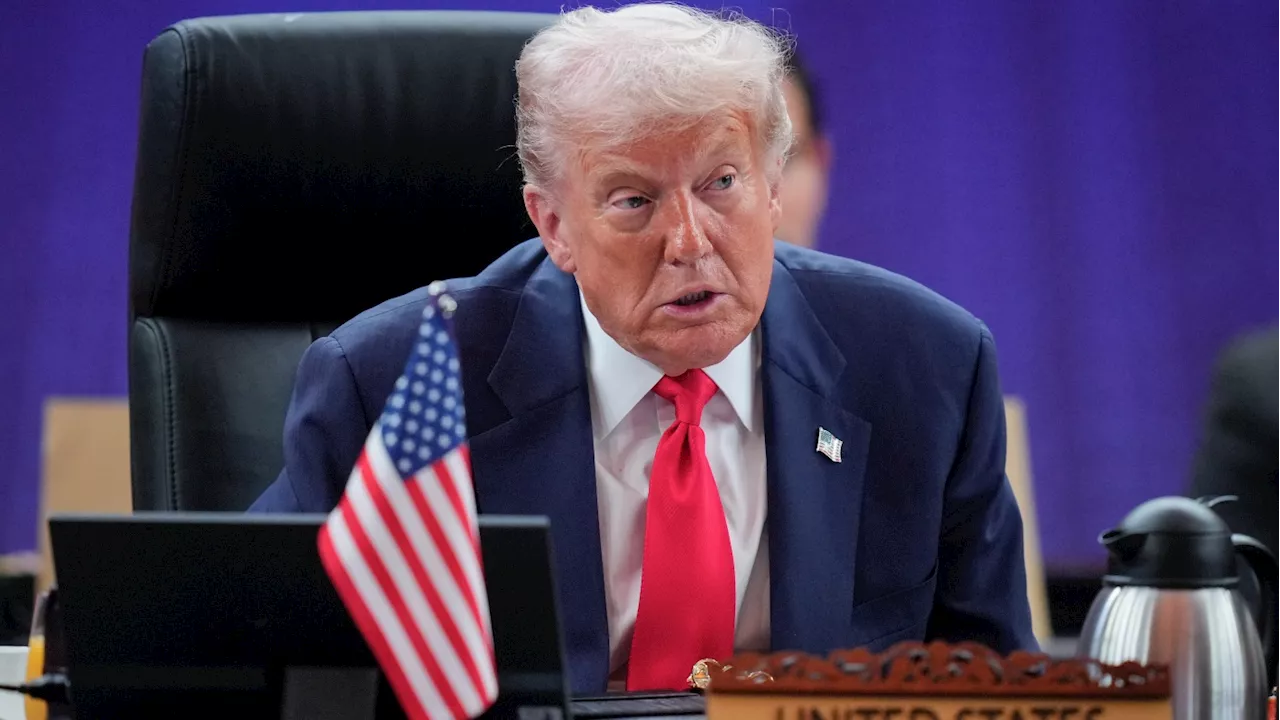
At the summit, Li Chenggang, China’s chief trade negotiator, stated that both sides had reached a “preliminary consensus.” Meanwhile, Scott Bessent, the U.S. Treasury Secretary, described the discussions as yielding a “very successful framework.” Trump expressed optimism, saying that both countries “want to make a deal.”
The potential agreement is significant amid rising tensions over trade imbalances and technology access. Recently, Beijing restricted exports of rare earth elements vital for advanced technologies, prompting Trump to threaten additional tariffs on Chinese goods. The escalating conflict has raised concerns about its impact on global economic growth.
In addition to the trade discussions, Trump highlighted the importance of cooperation in ensuring secure supply chains. “It’s very important that we cooperate as willing partners with each other,” he said, emphasizing the need for stability in trade relations.
During the ASEAN summit, a notable achievement was the signing of a ceasefire agreement between Thailand and Cambodia. This agreement, facilitated by Trump’s economic pressure, aims to resolve skirmishes that have occurred over disputed borders. Both leaders hailed the agreement as a step toward lasting peace.
Trump’s presence at the summit marked a renewed U.S. commitment to Southeast Asia, a region with a combined economy of approximately $3.8 trillion. He praised the leaders there, stating, “The United States is with you 100%, and we intend to be a strong partner and friend for many generations to come.”
The summit also allowed Trump to engage with other leaders, including Brazilian President Luiz Inácio Lula da Silva. Tensions had arisen between the two over Brazil’s legal actions against former President Jair Bolsonaro, a close Trump ally. During their meeting, Trump indicated a willingness to reconsider tariffs on Brazilian imports.
Conversely, Trump appeared to sidestep a meeting with Canadian Prime Minister Mark Carney, following a dispute over a Canadian television advertisement criticizing his trade policies. Trump expressed his intention to raise tariffs on Canada as a response.
While the U.S.-China trade discussions progress, other countries in the region are also navigating their own diplomatic landscapes. India’s Prime Minister Narendra Modi was notably absent from the summit, reflecting a cooling relationship with the U.S. following increased tariffs and comments regarding recent conflicts between India and Pakistan.
As the U.S. and China work towards finalizing their trade deal, the outcome could have significant implications for international markets and economic stability. The meeting between Trump and Xi is set for Thursday in South Korea, and both leaders face the challenge of addressing complex issues that extend beyond mere trade agreements.