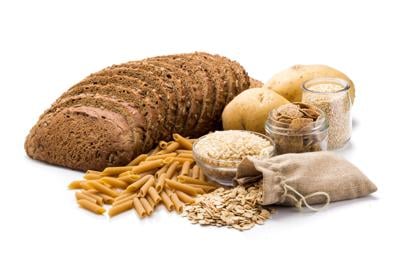
Many individuals shy away from carbohydrates, often fearing their impact on health. However, recent insights from Dr. Christine Nguyen, a family physician at the Mayo Clinic, emphasize that not all carbohydrates are detrimental. In fact, certain carbohydrates, particularly those rich in fiber, play a crucial role in maintaining overall health.
According to Dr. Nguyen, fiber-rich foods such as whole grains, fruits, and vegetables contribute significantly to bodily functions. These foods aid digestion, help lower cholesterol levels, and reduce the risk of chronic diseases. By incorporating good carbohydrates into daily meals, individuals can enhance their nutritional intake rather than diminish it.
Understanding the Role of Carbohydrates
Carbohydrates are often categorized into two types: simple and complex. Simple carbohydrates, found in sugary snacks and beverages, can lead to rapid spikes in blood sugar levels. In contrast, complex carbohydrates, which include whole grains and legumes, offer sustained energy and essential nutrients.
Dr. Nguyen highlights that foods rich in fiber can be beneficial in managing weight. They promote a feeling of fullness, which may lead to reduced caloric intake. This is crucial for those aiming to maintain or lose weight while still receiving vital nutrients.
Moreover, fiber plays a fundamental role in digestive health. Regular consumption of fiber can prevent constipation and promote a healthy gut microbiome. Maintaining a balanced diet that includes a variety of fiber-rich foods can help improve overall gut health, according to Dr. Nguyen.
Recommended Good Carbs for Your Diet
To optimize health, consider incorporating the following good carbohydrate sources into your meals:
1. **Whole Grains:** Foods such as quinoa, brown rice, and oats are excellent choices. They provide energy and important vitamins and minerals.
2. **Fruits:** Fresh fruits like apples, bananas, and berries are not only sweet but packed with fiber and antioxidants. These nutrients help combat oxidative stress and inflammation.
3. **Vegetables:** Leafy greens, cruciferous vegetables like broccoli, and starchy vegetables such as sweet potatoes offer a wealth of nutrients and fiber.
4. **Legumes:** Beans, lentils, and peas are great sources of protein and complex carbohydrates. They are versatile and can be added to various dishes.
5. **Nuts and Seeds:** While higher in fat, they also provide fiber and protein. Nuts and seeds can be included in snacks or added to meals for an extra nutritional boost.
In conclusion, while many people associate carbohydrates with weight gain and poor health, Dr. Nguyen’s insights reveal a more nuanced understanding. By focusing on good carbohydrates, individuals can enjoy a balanced diet that supports their health and well-being. Embracing foods that are high in fiber will not only enhance digestion but also promote a healthier lifestyle.