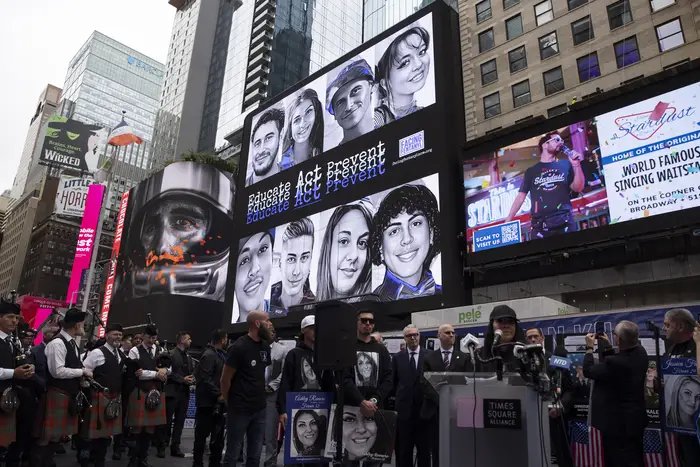
UPDATE: New York City’s drug overdose deaths have dropped by an astonishing 28% in 2024, marking a significant step forward in the ongoing crisis. The city recorded 2,192 fatalities from accidental drug overdoses, down from 3,056 deaths in 2023, according to preliminary data released by the city health department just hours ago.
This dramatic decline reflects a national trend, providing a glimmer of hope amidst a crisis that has devastated countless families and communities. New York City Mayor Eric Adams expressed cautious optimism in a statement, saying, “Progress on reducing opioid overdoses will never make up for the families that have been devastated, but it gives us hope that brighter days are ahead.”
While the overall numbers are encouraging, the city grapples with persistent disparities. The Bronx continues to bear the brunt of the crisis, despite a 24% reduction in overdose deaths last year. The death rate in the Bronx remains more than double that of Manhattan, revealing deep-seated inequities.
Advocates are sounding the alarm. Marilyn Reyes, a board member at nonprofit Vocal NY, emphasized the need for continued investment in effective solutions, warning that increased policing of drug users could hinder vital outreach efforts. “If we don’t continue on the path of reducing harm, we’re going to continue losing more people in the Black and brown community,” Reyes stated.
The recent data shows that for the first time since 2018, overdose deaths among Black and Latino New Yorkers have declined, with every borough reporting fewer fatalities. Notably, Staten Island experienced the most significant improvement, with a staggering 49% decline in overdose deaths.
However, experts like Toni Smith, state director for the Drug Policy Alliance, cautioned that while the decline is promising, “the illegal drug supply is unpredictable.” She added, “There’s no guarantee that a trend downward this year means a trend downward next year.”
The city’s HealthyNYC project aims to reduce annual overdose deaths to 1,812 by 2030, but the path ahead remains fraught with challenges. The opioid crisis, fueled by substances like fentanyl, has quadrupled overdose death rates since the year 2000, when fatalities barely exceeded 600.
New York City has garnered approximately $190 million from settlements with opioid manufacturers, with expectations that this figure will reach $550 million by 2041. These funds are crucial for treatment programs and harm reduction initiatives. Mayor Adams has allocated $41 million for fiscal year 2025 to combat this issue and has supported the operation of two overdose prevention centers, where individuals can use drugs under supervision.
Despite these efforts, advocates argue that more overdose prevention centers are essential to further mitigate risks. The legal status of these centers remains uncertain under federal law, complicating expansion efforts.
As the city prepares for a transition in leadership, the next mayor will inherit a crucial responsibility: to sustain and build upon the progress made in reducing overdose deaths. In the last mayoral debate, candidates differed in their approaches to overdose prevention, with former Governor Andrew Cuomo and Democratic nominee Zohran Mamdani committing to maintain current prevention centers, while Republican candidate Curtis Sliwa proposed to abolish them.
Advocates and officials alike emphasize the need for a sustained commitment to harm reduction and treatment solutions. Dr. Michelle Morse, acting city health commissioner, called for continued support for life-saving programs, stating, “As city leaders, we must be steadfast in our support of programs that save lives.”
With overdose rates still alarmingly high, the city’s progress highlights a critical juncture in the fight against addiction. As the situation develops, all eyes will be on New York City to see if this downward trend can be maintained and expanded, ultimately saving lives and rebuilding affected communities.