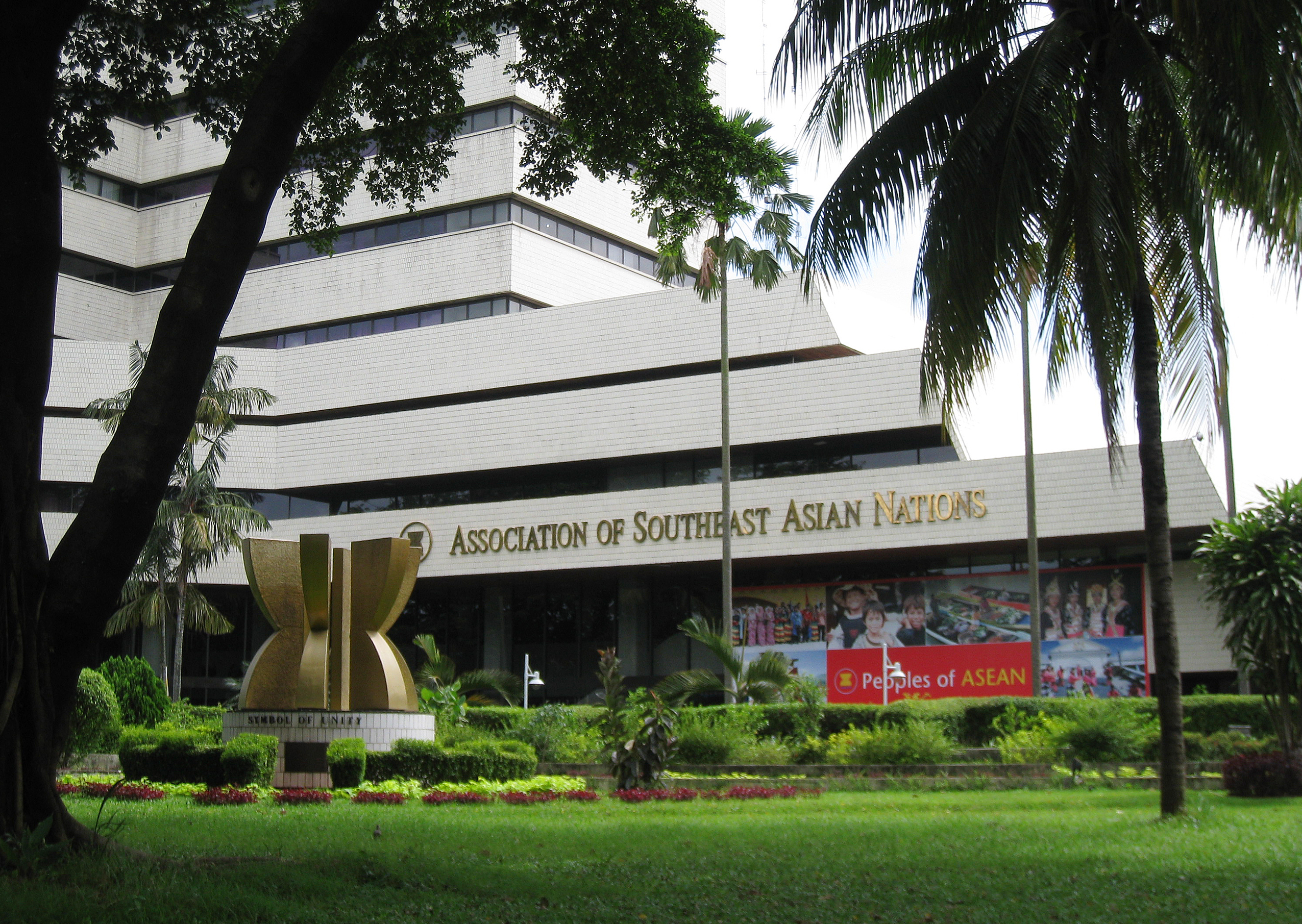
China and the Association of Southeast Asian Nations (ASEAN) have signed the CAFTA 3.0 Upgrade Protocol in Kuala Lumpur on October 30, 2023. This agreement represents a significant advancement in regional economic integration, expanding upon the initial framework established in 2010. The protocol was signed by Wang Wentao, China’s Minister of Commerce, alongside economic ministers from ASEAN member states.
The China-ASEAN Free Trade Area (CAFTA) upgrade focuses on enhancing cooperation across nine critical sectors, including the digital economy, green economy, supply chain connectivity, competition policy, and support for micro, small, and medium enterprises. This comprehensive approach aims to foster deeper economic ties and facilitate trade and investment.
Promoting Economic Cooperation
During a multilateral meeting following the signing, Chinese Premier Li Qiang emphasized the importance of the upgraded agreement. He stated that it “creates new opportunities for high-quality economic cooperation.” Li expressed concerns over rising unilateralism and protectionism, which he noted have negatively impacted the international economic order. He remarked that “external interference in the region is on the rise, due to the unreasonable tariffs imposed by some countries.”
Li further warned that “power politics and economic bullying” pose threats to development. He urged for greater regional unity, advocating for solidarity and cooperation among ASEAN nations. According to Li, “the more severe the situation, the more firmly we must strengthen solidarity and cooperation, defend our legitimate rights through coordination, and promote stable growth through deeper collaboration.”
Li reiterated China’s willingness to collaborate with ASEAN countries to enhance synergy, resist external disturbances, and collectively work towards a prosperous future for the region.
Implications for Trade and Investment
Analysts believe that the CAFTA 3.0 Upgrade Protocol will significantly reduce trade barriers, thereby promoting commerce and facilitating investment between China and the ten ASEAN nations. An expert highlighted that the agreement will “enable freer flows of goods and capital, and foster an open, fair, and inclusive market benefiting both sides.”
The upgraded trade framework is expected to enhance the economic landscape for both China and ASEAN nations, creating a more interconnected and resilient regional economy. As the global economic environment evolves, this agreement positions the involved parties to better navigate challenges and seize opportunities.