UPDATE: A financial crisis is looming over college athletics as private equity firms eye lucrative investments amid new NCAA regulations. Since the House v. NCAA settlement took effect in June, universities are now allowed to pay athletes directly, which has created an urgent need for substantial cash flow to cover estimated annual costs of $20 million per school.
While college athletics generated $13.6 billion in revenue in 2022, not all institutions are thriving. Reports indicate that lavish spending on facilities and soaring salaries have left some athletic departments scrambling for new revenue streams. According to Sports Illustrated, private equity firms are poised to swoop in, promising upfront cash to struggling programs.
Speaking at a Big East roundtable on October 20, 2023, NCAA President Charlie Baker cautioned schools to “be really careful” when considering private equity investments. The Sports Business Journal revealed that negotiations for a proposed $2 billion cash infusion are underway with the Big Ten Conference, raising alarms about the potential consequences for college sports.
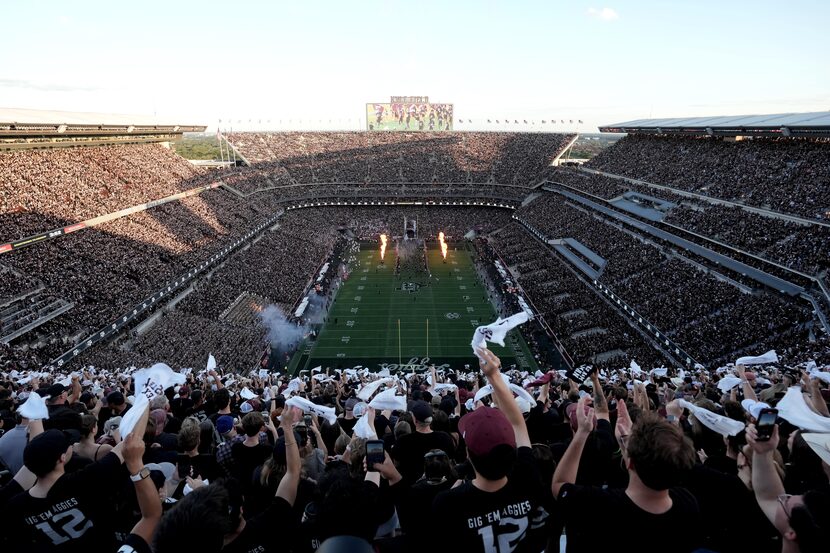
With some universities facing significant financial strain, the pressure to pay athletes is intensifying. Schools that fail to meet these costs risk losing both talent and fan engagement, as athletes may opt for programs with better financial backing. Texas universities have so far resisted private equity offers, opting instead for partnerships like the $515 million multimedia rights deal between Texas A&M University and Playfly Sports.
Experts caution that while private capital may offer immediate relief, it comes with strings attached—pressure to raise ticket prices, cut budgets for non-revenue sports, or even eliminate Olympic programs. This could fundamentally alter the landscape of college sports, prioritizing profit over student-athlete welfare.
As negotiations heat up, Texas universities must explore alternative funding methods. The Athletic highlighted a model based on fractional ownership, similar to that of the Green Bay Packers, allowing fans and alumni to invest directly in their programs. This approach can strengthen community ties and provide financial backing without relinquishing control to private equity firms.
While the allure of quick cash from private equity is compelling, Texas athletic directors and university officials face a pivotal decision. They must strike a balance between growth and institutional integrity, ensuring that funding aligns with their long-term vision.
As the situation develops, stakeholders in college athletics are urged to remain vigilant. The implications of these financial strategies could reshape the future of collegiate sports as we know it.
Stay tuned for more updates as this critical story unfolds.