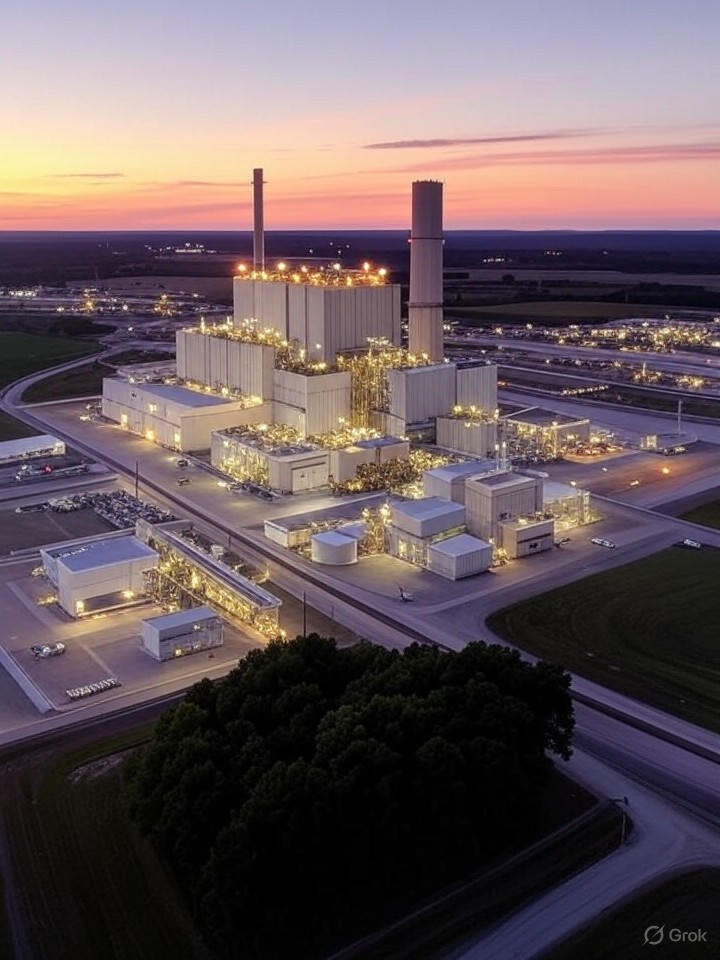
Alphabet Inc.’s Google has partnered with NextEra Energy Inc. to resurrect the Duane Arnold Energy Center in Iowa, which closed in 2020 following significant damage from a derecho storm. This initiative aims to meet the growing energy requirements of artificial intelligence operations, with the plant expected to be operational by early 2029. The revived facility will provide carbon-free energy directly to Google’s data centers, which have experienced substantial growth due to the rise of generative technologies.
This collaboration follows a trend where major technology companies are turning to inactive nuclear plants to fulfill rising energy demands. Microsoft’s recent agreement to restart Pennsylvania’s Three Mile Island demonstrates a similar approach in the industry. NextEra plans extensive upgrades to the 615-megawatt reactor at the Duane Arnold plant, which was originally commissioned in 1974 but ceased operations under economic pressures and environmental damage.
Strategic Shift in Energy Production
The revival of the Duane Arnold Energy Center not only addresses immediate energy needs but also reflects a broader strategy within the tech sector to leverage America’s aging nuclear infrastructure. According to industry experts from the Nuclear Energy Institute, such initiatives could extend the operational life of existing plants, providing cleaner energy alternatives to fossil fuels. The U.S. nuclear fleet has faced challenges, but advancements in reactor maintenance and regulatory processes are paving the way for reactivation.
Google’s previous agreements with companies like Kairos Power for small modular reactors highlight its commitment to exploring diverse nuclear energy solutions. However, the scale of this Iowa project is significant, with NextEra planning to invest hundreds of millions of dollars in refurbishing the facility. The project will also require navigating federal approvals from the Nuclear Regulatory Commission, complicating the timeline.
Economic and Community Impact
Restarting a nuclear plant brings its own set of challenges, including safety concerns and the need for substantial retrofitting of outdated equipment. Collaboration with state regulators will be necessary to ensure grid stability, especially as AI-driven energy demands continue to rise. Insights from CNBC indicate that the project could create hundreds of jobs in Palo, Iowa, revitalizing a community affected by the plant’s previous closure.
On a national level, the Duane Arnold revival could influence U.S. energy policy, potentially encouraging the government to offer incentives for similar nuclear restarts. As documented by ABC News, tech firms are increasingly becoming significant players in energy production, signaling a shift towards sustainable power solutions.
The partnership between Google and NextEra not only addresses the pressing energy needs of AI but also exemplifies a forward-thinking approach to energy innovation. The success of this initiative could inspire similar projects across the country, where over a dozen nuclear plants have been decommissioned in the last decade.
Looking ahead, the implications of this collaboration extend beyond Iowa. Other tech giants, such as Meta Platforms Inc., are pursuing nuclear energy options, indicating a competitive race to secure reliable, clean energy sources. This trend could reshape the energy landscape, demonstrating how the tech sector is adapting to meet both energy demands and environmental goals.