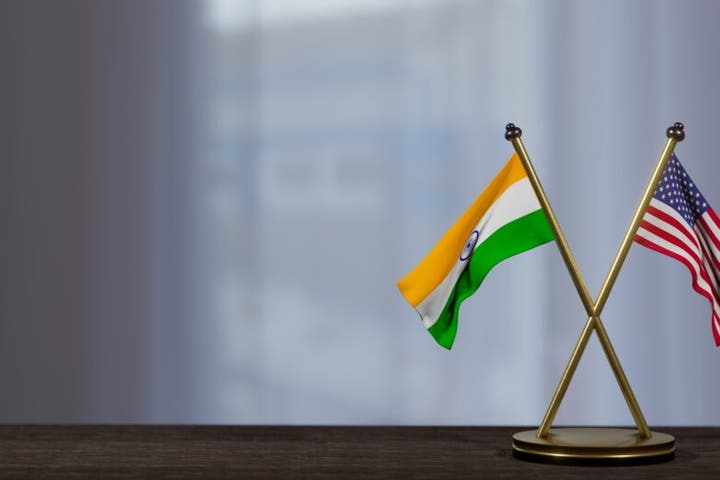
India and the United States have formalized a significant 10-year framework agreement aimed at strengthening defense cooperation. The agreement was signed following a meeting between Pete Hegseth, the U.S. Secretary of War, and Indian Defense Minister Rajnath Singh in Kuala Lumpur on February 7, 2025. This new pact is intended to enhance coordination, improve information sharing, and foster technology cooperation between the two nations.
Focus on Regional Stability and Strategic Partnership
In a post on X, Hegseth emphasized that the agreement represents a pivotal move to promote “regional stability and deterrence.” He stated, “Our defense ties have never been stronger.” Singh echoed these sentiments, describing the pact as a clear indication of the growing strategic alignment between India and the U.S. In his own statement on X, he remarked, “It is a signal of our growing strategic convergence and will herald a new decade of partnership. Defense will remain a major pillar of our bilateral relations.”
This agreement follows a series of discussions during Indian Prime Minister Narendra Modi‘s visit to the U.S. in February, where President Donald Trump expressed a commitment to enhance military equipment sales to India by billions of dollars. Among potential acquisitions is the advanced F-35 stealth warplane manufactured by Lockheed Martin. Trump underscored the importance of collaboration to combat the “threat of radical Islamic terrorism.”
Implications for Trade and Energy Security
The new defense pact comes at a time of heightened scrutiny over India’s energy purchases, particularly concerning Russian crude oil. The U.S. has imposed a 50% tariff on Indian goods associated with these purchases, raising concerns about its potential impact on India’s economy. Reports indicate this could threaten billions in India’s GDP, prompting discussions between the two nations.
Trade and defense talks resumed in late August 2025, through a virtual 2+2 Intersessional Dialogue, where both sides explored avenues to enhance cooperation despite the ongoing tariff challenges. Earlier this month, Trump announced that Modi had agreed to reduce India’s reliance on Russian oil, a move that could have significant implications for the geopolitical landscape, particularly in the context of Russia’s ongoing actions in Ukraine.
As Indian refiners, including industry giant Reliance Industries Ltd, consider sharply reducing or suspending imports of Russian oil following U.S. sanctions on major Russian oil firms such as Rosneft and Lukoil, the new defense agreement is poised to play a crucial role in shaping the future of U.S.-India relations.
The commitment to bolster defense ties and enhance strategic cooperation signals both nations’ intent to navigate complex global challenges together, reinforcing the significance of their partnership in ensuring a free and rules-based order in the Indo-Pacific region.