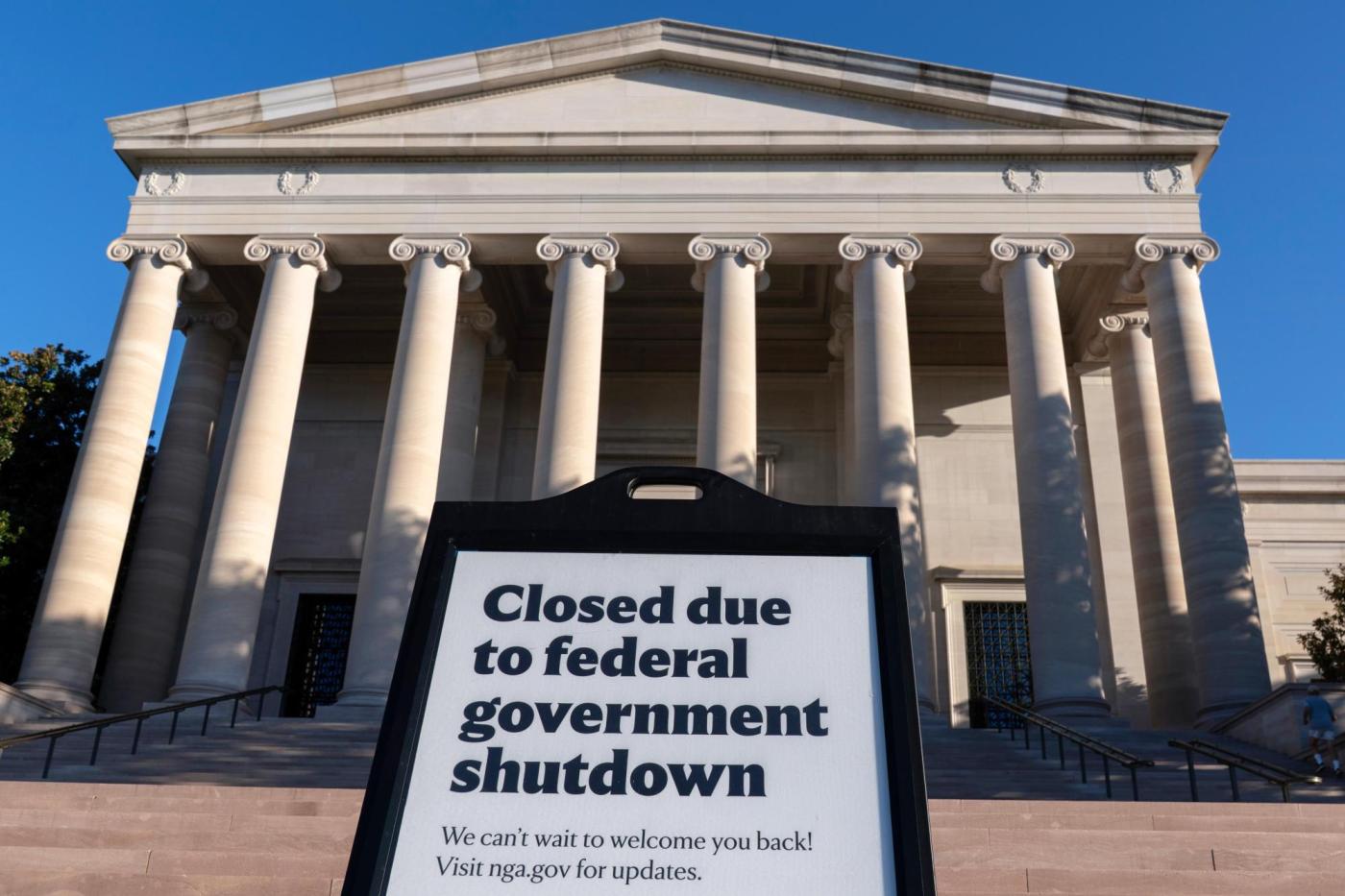
The ongoing federal government shutdown has prompted a significant discussion about fiscal responsibility in the United States. While many view the situation as a crisis due to missed paychecks and disrupted services, some argue this standoff may be necessary for a long-overdue reckoning regarding national finances.
For years, both major political parties have operated as though the principles of fiscal discipline are optional. Congress has consistently passed budgets that have contributed to a national debt now exceeding $38 trillion. Each year, the country adds between $1.5 trillion and $2 trillion in deficits, which are not tied to emergencies or wartime needs but are routine overspending that would be unacceptable in any household or business.
If a private company managed its finances as the federal government does, it would have likely gone bankrupt long ago. The U.S. has effectively masked its insolvency through borrowing and low interest rates, creating a culture of spending that exceeds its means. As a result, the cost of servicing the national debt has reached unprecedented levels. Interest payments now consume a substantial portion of federal spending, diverting funds from essential services like education, infrastructure, and programs such as the Supplemental Nutrition Assistance Program (SNAP), which millions of low-income Americans depend on and may soon face cuts due to the shutdown.
This situation has led to a critical question: how sustainable is it to borrow money to pay interest on previously borrowed funds? The current fiscal strategy resembles financial quicksand, and the longer the government avoids confronting this reality, the deeper the country sinks.
Confronting the Fiscal Challenge
The ongoing shutdown, although uncomfortable, may be a catalyst for necessary change. It serves as a wake-up call, revealing the underlying contradictions in how fiscal policy has been approached in Washington. The situation highlights the urgent need for clarity regarding the nation’s financial health, exposing the moral bankruptcy that has accompanied fiscal irresponsibility.
While it is essential that air traffic controllers and federal workers in places like Maryland receive their paychecks, the hardships they face are minor compared to the broader consequences of continued financial mismanagement. If the trend of prioritizing interest payments over defense, infrastructure, and social safety nets persists, the repercussions will be widespread and enduring.
The real crisis extends beyond the current shutdown; it lies in decades of avoidance regarding fiscal responsibility. Both Republican and Democratic leaders have contributed to this situation. Republicans have enacted tax cuts without corresponding spending reductions, while Democrats have expanded entitlement programs without adequate funding. Each party has steadfastly defended its priorities, lacking the political courage to recognize a fundamental truth: it is impossible to have everything.
The American public shares responsibility in this fiscal dilemma. Citizens often demand balanced budgets in theory while simultaneously supporting new subsidies and benefits that serve their interests. Many balance their own finances but expect the government to operate without limits. Previous generations would have deemed this attitude morally weak, and there is validity to that perspective.
A Call for National Reckoning
What the nation is facing today is not merely a budgetary challenge; it is a moral one. A country that refuses to live within its means forfeits its sense of discipline and responsibility to future generations. The national debt represents a chronic failure to govern effectively, underscoring the urgent need for a comprehensive reckoning.
The ongoing debate in Congress is a critical step toward addressing these issues. This shutdown, frustrating as it may be, could be the impetus for a national dialogue about fiscal realities. The country must confront the uncomfortable truth: it is facing financial insolvency that is largely self-inflicted.
Addressing these challenges will not happen overnight. It will require years of tough decisions, shared sacrifices, and the political courage that has been lacking for far too long. However, recognizing the severity of the situation is the first step toward achieving fiscal solvency. The American experiment, after all, has thrived not merely through financial means but through the character of its people. It is time to restore that character and take responsibility for the nation’s economic future.