As daylight saving time begins, pet owners may notice changes in their animals’ behavior and feeding habits. The shift in time can cause confusion in pets, leading to adjustments in their daily routines. Understanding how these changes affect dogs and cats can help owners manage their pets’ needs more effectively.
How Dogs Respond to Time Changes
Dr. Jerry Klein, Chief Veterinarian of the American Kennel Club, emphasizes that dogs are attuned to natural light rather than human-imposed schedules. “Dogs respond to daylight, and they wake when the sun rises and sleep when it’s dark,” he explains. Unlike humans, dogs do not count hours or adhere to strict schedules. Instead, their behaviors align with the natural rhythms of the sun.
When the clocks change, some dogs may exhibit signs of confusion. Owners might notice their pets becoming grumpy, snappy, or displaying increased vocalizations such as growling or howling. To alleviate potential distress, owners can adjust feeding times gradually. For example, if dinner is typically served at 18:00, it may be beneficial to offer meals earlier, starting at 17:45, then moving to 17:30, and so forth.
Cats: Masters of Sunlight
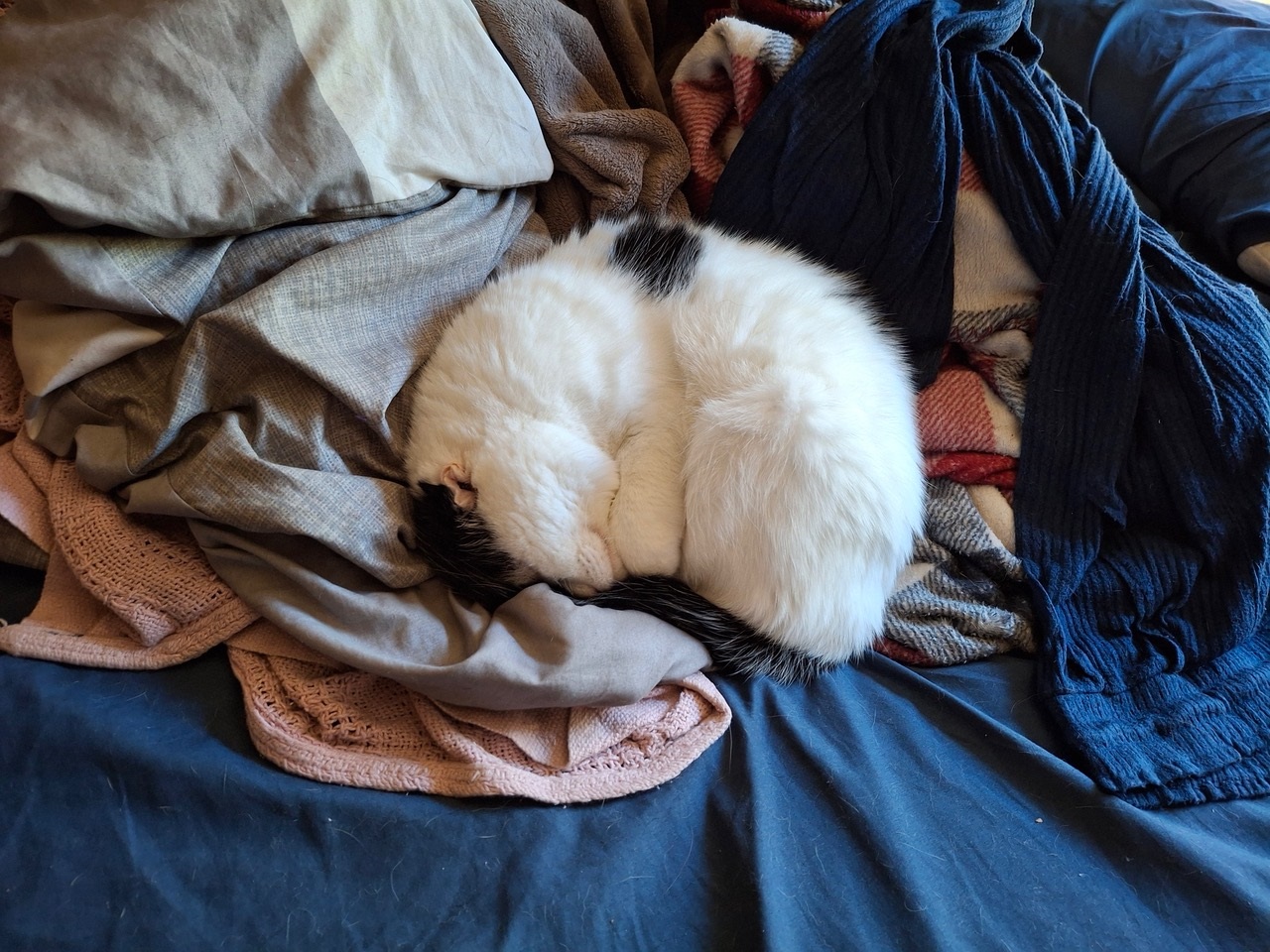
Cats, like dogs, are influenced by natural light. Sally Cragin, director of Be PAWSitive: Therapy Pets and Community Education, highlights that cats often follow the sun throughout the day. Their napping locations may shift with the position of sunlight streaming through windows, which can influence their activity levels.
Observing a cat’s daily routine can be entertaining and enlightening. For instance, Cragin mentions her own cat, Vinnie, whose antics include jumping on desks and exploring his surroundings. Such behavior is typical, as cats have a faster metabolism than dogs and may feel hungrier more frequently.
While it might be tempting to adopt a “grazing” feeding method, where dry food is left out all day, Cragin advises sticking to a regular feeding schedule. Keeping routines consistent not only benefits pets but also enhances the bond between animals and their owners.
During this period of changing light and longer nights, spending quality time with pets can help mitigate stress for both parties. Engaging in interactive play or providing additional companionship can create a sense of security for pets adjusting to the time change.
As the days grow shorter, understanding your pet’s needs and adjusting routines accordingly can help everyone transition smoothly. Whether managing mealtimes for dogs or following the sun with cats, awareness and adaptability are key.