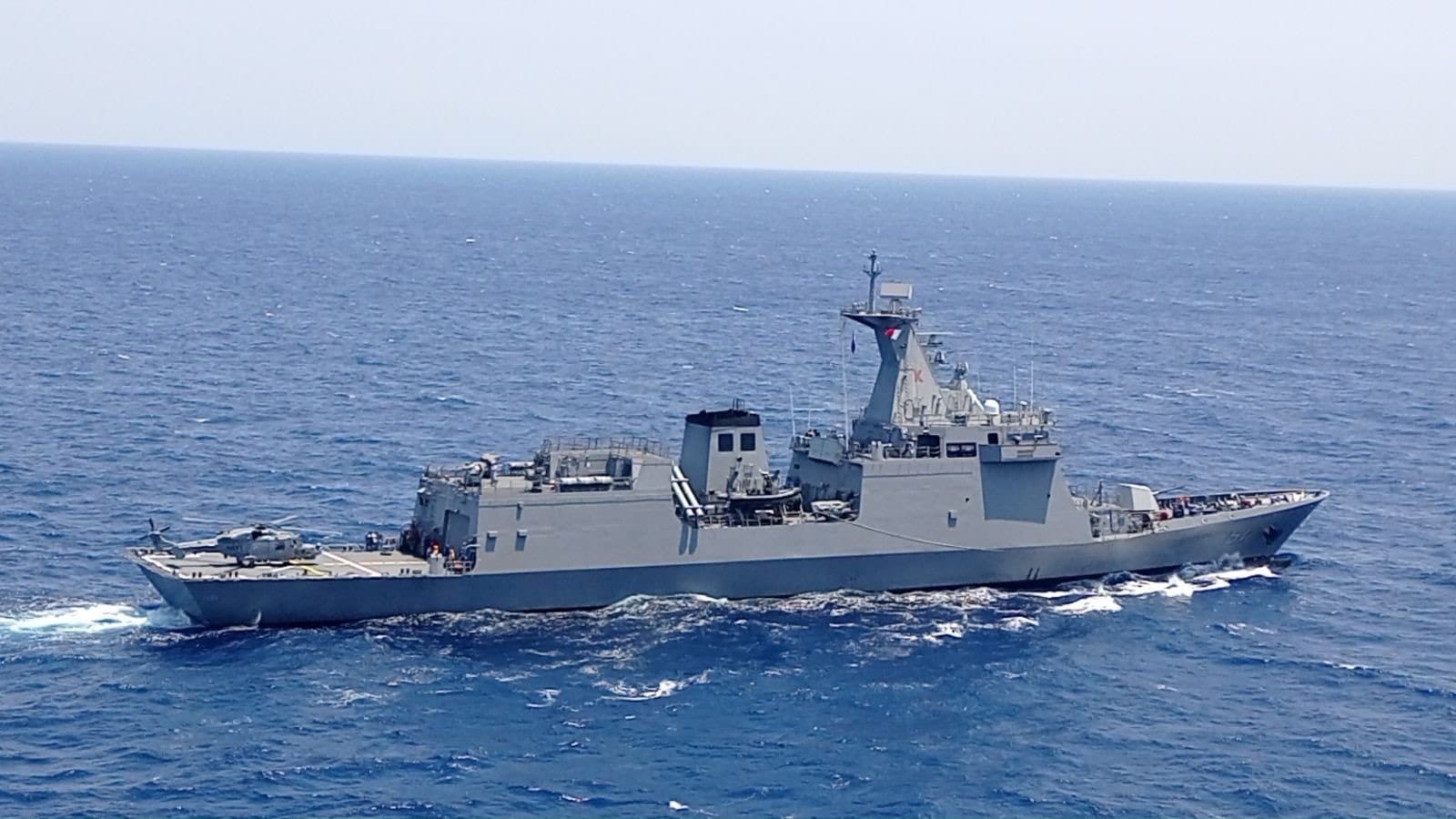
UN human rights experts have raised serious concerns regarding a series of lethal attacks reportedly carried out by the United States against vessels in the Caribbean and Eastern Pacific. These attacks, which began on September 2, 2023, could potentially constitute war crimes under international maritime law, according to a statement from three UN experts.
The experts asserted that the recent strikes “appear to be unlawful killings” as they lack the necessary judicial or legal processes that ensure due process. They highlighted that there was no effort to apprehend individuals or to provide concrete evidence justifying the actions taken against the targeted vessels, which were suspected of trafficking narcotics. The experts emphasized that the strikes do not seem to be motivated by “national self-defense” and did not target individuals posing an imminent threat to life. They have called on the US government to immediately cease these strikes and conduct a thorough investigation.
The attacks reportedly resulted in 64 fatalities and left only three survivors. Defense Secretary Pete Hegseth defended the strikes in a letter following the initial attack, describing it as a response to “extraordinarily violent drug trafficking cartels” that have been designated as terrorist organizations. He argued that these groups pose significant threats to US citizens, as well as to national security and foreign policy interests.
In a post on social media platform X dated October 28, Hegseth reiterated the government’s stance, stating that “these narco-terrorists have killed more Americans than Al-Qaeda, and they will be treated the same.” He further asserted that the US would actively pursue these groups, stating, “We will track them, we will network them, and then, we will hunt and kill them.”
Legal Framework and Implications
The United Nations Convention on the Law of the Sea (UNCLOS) does not explicitly prohibit strikes in international waters but does establish the principle of “freedom of the high seas” for peaceful purposes. While the US is a party to UNCLOS, critics argue that its actions may not align with the convention’s provisions. The UN Charter allows for self-defense in the event of an “armed attack,” provided that such actions are necessary and proportionate according to customary law.
Former President Donald Trump characterized the strikes as part of an “armed conflict” with drug cartels, implying that cartel members should be treated as enemy combatants rather than criminals. This classification has faced scrutiny from legal experts, who question the legality of authorizing such strikes without explicit congressional approval.
The ongoing situation raises critical questions about the balance between national security measures and adherence to international law. As the international community watches closely, the calls from UN experts for accountability and transparency may shape future responses to the complex issue of drug trafficking and its associated violence.