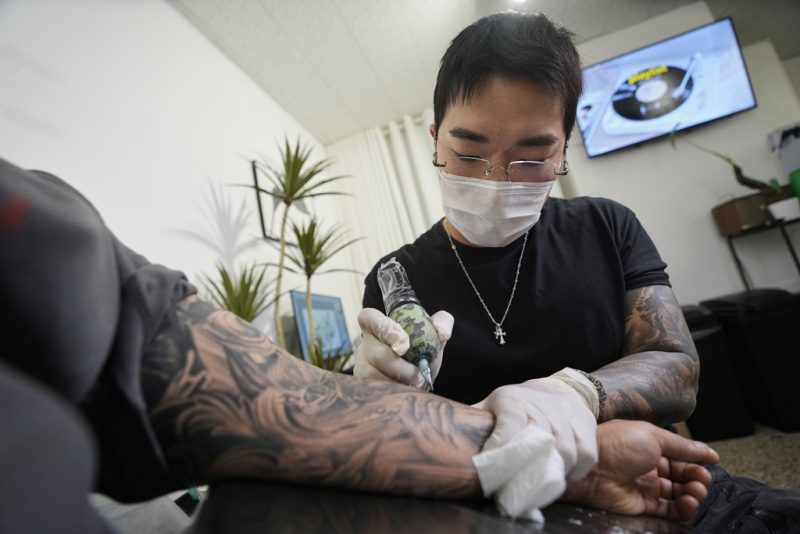
Receiving a tattoo may leave some individuals with what is colloquially known as “tattoo flu,” a term that describes a range of symptoms following the tattoo process. This phenomenon typically affects those who undergo extensive tattoo sessions or opt for larger designs. Experts clarify that “tattoo flu” is not a viral infection but rather an immune response to the stress of tattooing.
According to Dr. Mary Lupo, a board-certified dermatologist and adjunct faculty member at Tulane University, the body reacts to the trauma of having ink injected through needles. “This absolutely happens,” she stated. “It’s an immune response, and I think it’s very dependent on the individual and their sensitivity.” She noted that larger tattoos may lead to heightened symptoms, as the body may become sensitized from previous experiences.
While some first-time tattoo recipients may also experience these symptoms, others report feeling a sense of malaise that resembles a hangover. Timothy Lebron, of Bodiesneedrest and the HERE tattoo parlour in Brooklyn, mentioned that many clients describe a “foggy, feverish feeling” after their sessions. “Your immune system kicks in, inflammation rises, your stress hormones spike and then crash,” he explained.
Individuals who claim to have experienced tattoo flu report a variety of symptoms, including body aches, chills, and nausea. One Reddit user described feeling “nauseous, hot and exhausted,” while another remarked on experiencing “fever and horrible cold chills” after their session.
In a personal account, Jeff Garnett, co-founder of InkLess Tattoo Removal in New York City, recounted experiencing tattoo flu following two ten-hour sessions in 2020. He referred to the condition as a natural reaction to the intense process of having a “metal needle going into your skin thousands of times.” Garnett speculated that some individuals attributing their symptoms to tattoo flu may actually be battling common illnesses, as the stress of the tattoo process could weaken their immune systems. “Your body can only handle so much,” he cautioned.
To mitigate the effects of tattoo flu, professionals recommend taking preventive measures. Staying hydrated before and after the tattoo process is essential, while Lebron advises consuming a nutritious meal and foods rich in electrolytes. Dr. Lupo suggests that taking an anti-inflammatory medication post-session may also help alleviate symptoms.
“Most of the time, people sort of treat it symptomatically and deal with it,” Lupo noted. She emphasized that if tattoo flu does strike, one should not panic but rather focus on rest and hydration. “Drink water, eat something with salt and carbs, and take a warm shower. You’ll usually feel fine by the next day,” Lebron added.
Interestingly, some individuals report that they have never experienced tattoo flu, regardless of the number of tattoos they have. One TikTok user humorously remarked, “I didn’t even know tattoo flu was a thing lmao and I’m covered in them,” highlighting the varying reactions people have to the tattooing experience.
Understanding the symptoms and appropriate responses to tattoo flu can help individuals prepare for their next tattoo session, ensuring a more comfortable experience overall.