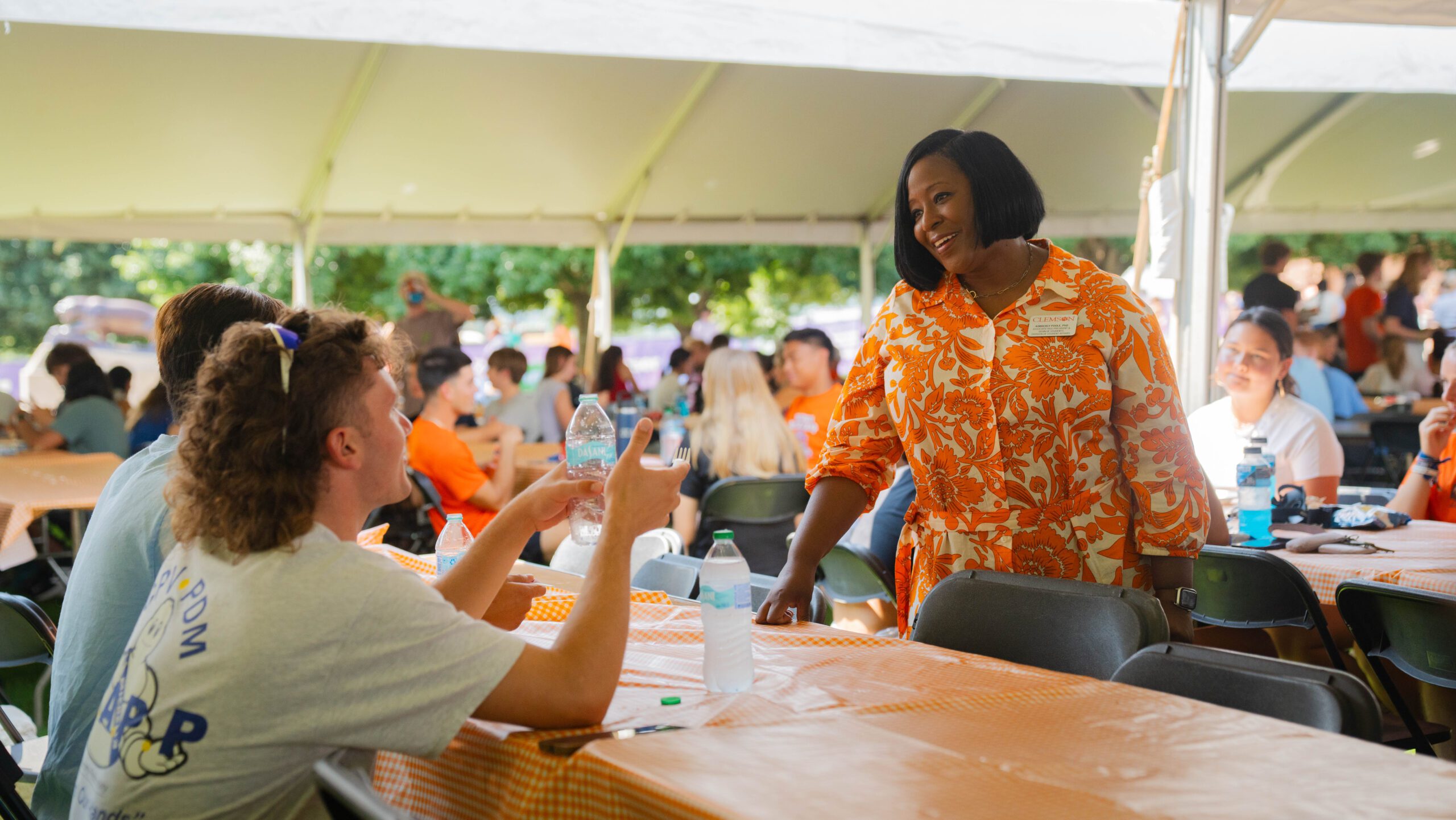
A momentous ground blessing ceremony took place on October 7, 2023, at Dickinson College in Carlisle, Pennsylvania, marking the establishment of the new Jim Thorpe Center for the Futures of Native Peoples. This center aims to honor the legacy of Jim Thorpe, one of the most celebrated athletes in history and a prominent figure in Native American culture. The event attracted a mix of Native American visitors, college leaders, and local residents, all coming together to commemorate this significant initiative.
During the ceremony, architect Johnpaul Jones, who is of Native American descent and served as the lead design consultant for the National Museum of the American Indian in Washington, D.C., addressed attendees with a message of respect for the land. “We should not just come build on this site here at Dickinson. We should speak to it first and explain our intentions,” he stated in a blessing presented at the event. Jones emphasized the importance of recognizing the site as a living entity, saying, “We ask the site not to be angry when we dig in it and remove earth. And thank it for its sacrifice.”
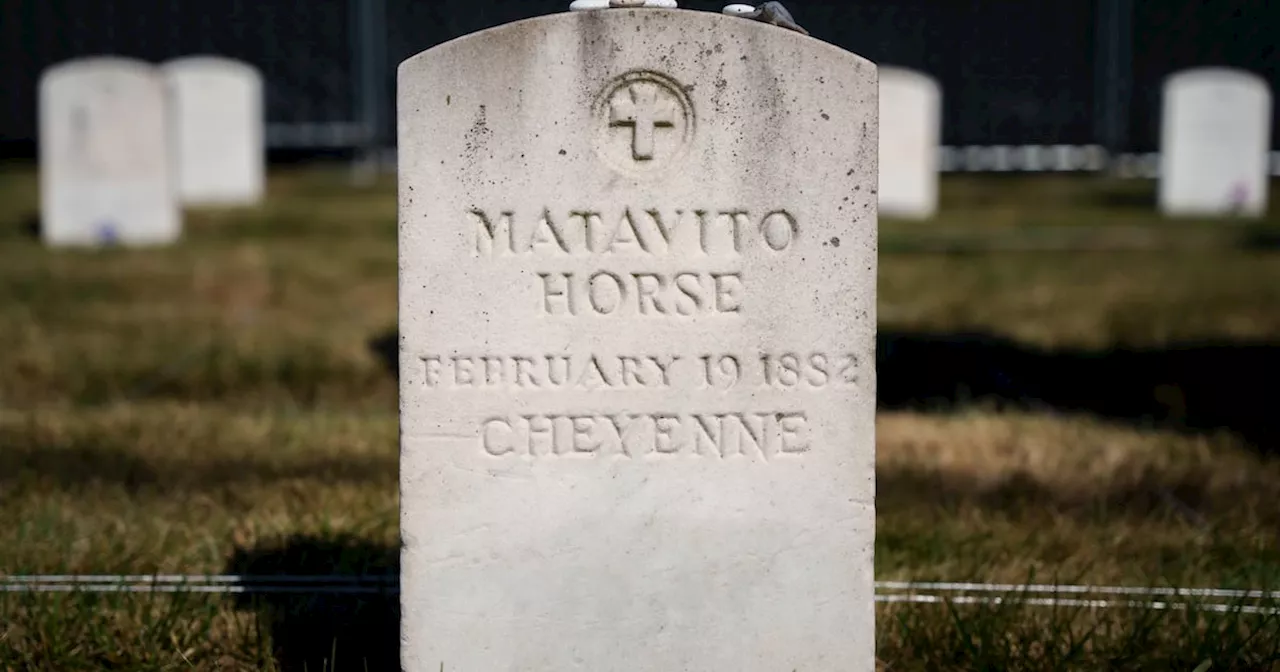
The new center is envisioned as a vital resource for cultural revitalization, intergenerational knowledge-sharing, and research focused on indigenous issues. Located on West High Street in Carlisle, the Thorpe Center aims to transform the historical narrative associated with the area. For over a century, Carlisle has been recognized as a location of trauma for Native Americans, primarily due to its role as the site of the Carlisle Indian Industrial School, which operated from 1879 to 1918. This institution was notorious for its efforts to assimilate Native American children into mainstream American culture, often at the expense of their cultural identities.
Among the attendees were several descendants of Jim Thorpe, including his three granddaughters and one great-granddaughter. Mary Thorpe, 44, from Jones, Oklahoma, expressed her pride in her ancestor’s name being associated with the new center. “There’s a lot of emotion that you go through coming up here, you know? You’re a survivor of children that were meant to be broken. You come back here and you’re trying to heal some of that generational trauma so the next generation doesn’t have to maybe fight as hard as we are still trying to today,” she remarked.
The new center is seen as a celebration of survival and resilience. According to Amanda Cheromiah, the executive director of Dickinson’s existing Center for the Futures of Native Peoples, the Thorpe Center will provide a platform for symposiums, art exhibits, ceremonial gatherings, and ongoing research efforts. “The boarding school system completely changed our communities forever,” she noted. The center represents a contemporary effort to celebrate the culture that the federal government once sought to erase.
The significance of the ground blessing was further underscored by Perry Martinez, a tribal council member of the San Ildefonso Pueblo in New Mexico, who led the blessing ceremony. In many Native American traditions, the Earth is regarded as a living entity with its own spirit. This perspective reinforces the communal bond between people and the land, highlighting the necessity of honoring that relationship.
As Jones aptly stated during the ceremony, “Native American people who will use this new facility have traveled a difficult path. This will be a welcoming, healthy and good spirited place.” The sentiments expressed during the event resonate deeply with the community’s desire to reclaim and celebrate their heritage in a space that fosters understanding and respect.
The establishment of the Jim Thorpe Center for the Futures of Native Peoples signals a new chapter for Carlisle, transforming its identity from one historically linked to trauma to a forward-looking center dedicated to the well-being of Native American communities for generations to come. “It just shows that [the assimilation efforts] didn’t succeed in killing the Indian, you know? We’re still here,” Mary Thorpe concluded, affirming the resilience of her community.