UPDATE: As America honors its veterans this Veterans Day 2023, a groundbreaking study reveals that the next generation of service members will undergo a profound transformation by the year 2050. According to the Center for a New American Security, the evolution of military service is not just a future concept; it is happening NOW.
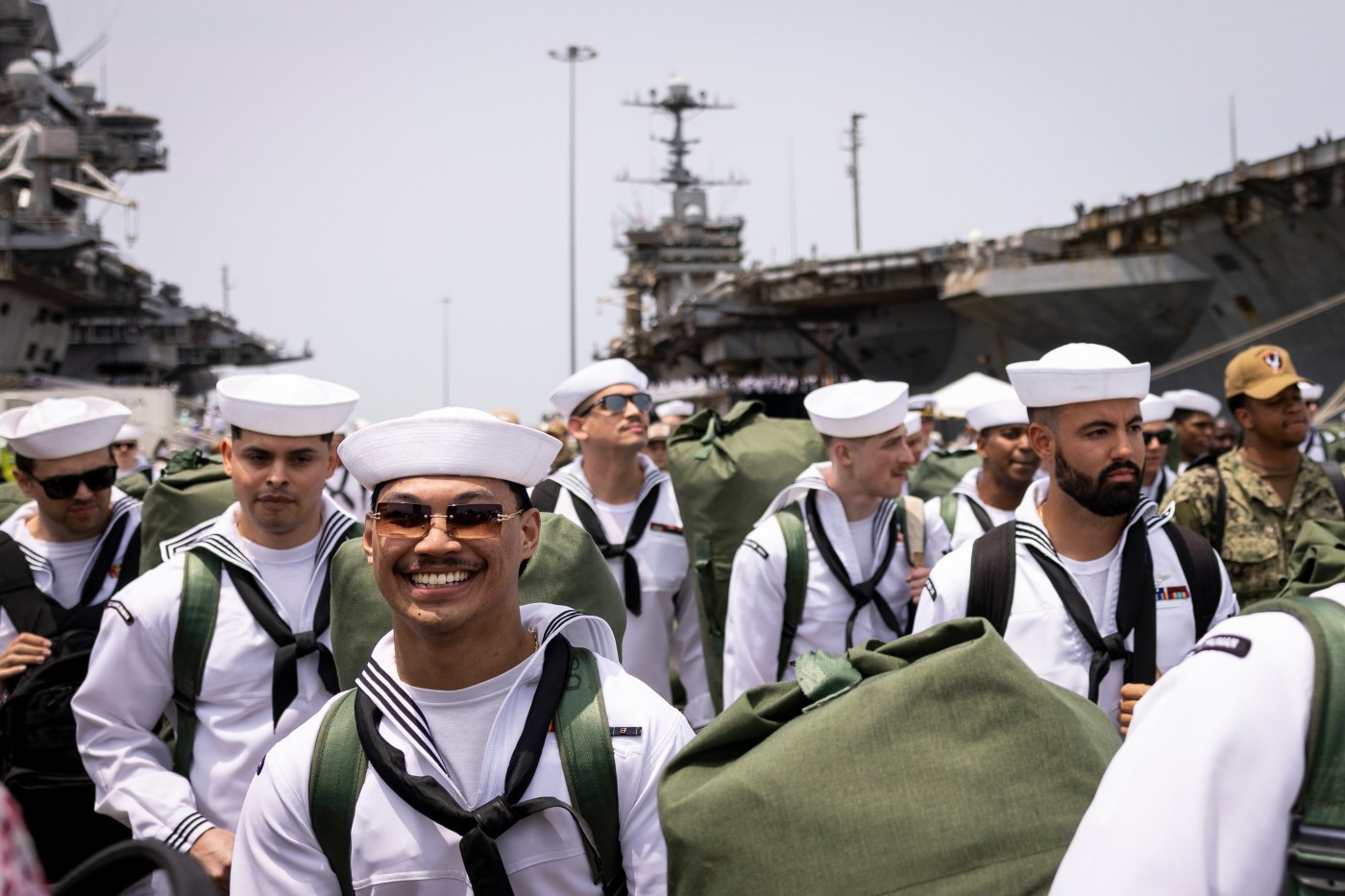
This year’s observance highlights the urgent need to rethink our understanding of “veteran.” The report suggests that the veterans of tomorrow will differ radically from those who fought in conflicts like Iraq and Afghanistan. Their roles may not involve traditional combat; instead, they could command drones, neutralize cyber threats, or manage advanced AI defense systems. This shift is already visible in locations such as Hampton Roads, where military installations are evolving rapidly to adapt to new technologies.
Today’s veterans often bear the scars—both visible and invisible—of intense military engagements. Yet, as the nature of warfare changes, so do the challenges faced during reintegration into society. The trauma of future veterans may stem from what they witness on screens rather than from direct combat. This new type of veteran is enlisting now, yet the systems designed to support them—ranging from healthcare to employment—are still rooted in the past.
The demographic makeup of future veterans is also shifting. Expect to see a more diverse group, including greater numbers of women, people of color, and individuals with advanced technical skills. The Coalition to Salute America’s Heroes highlights the urgency for employers and society at large to recognize these evolving qualifications and provide adequate support.
At a poignant ceremony at Winfield House, the chargé d’affaires of the U.S. Embassy emphasized the importance of remembering those who served. Yet, as one observer noted, the audience largely consisted of older veterans, raising the question: How do we engage a younger, more diverse population in discussions about military service?
As we honor past sacrifices this Veterans Day, it is crucial to acknowledge the impending changes in military service. The cultural and ethical divide between the military and civilian sectors is widening, potentially leading to a disconnect that future veterans will need to navigate. Public indifference toward military service may increase if the conflicts of tomorrow remain invisible, worsening the already fragile connection between veterans and the communities they return to.
The study calls for immediate action—not only to honor those who served but to evolve in policy, perception, and support systems. The challenge is clear: Can we adapt to the realities of modern warfare? Are we prepared to treat trauma born from digital conflicts?
As we reflect on the past this Veterans Day, let us commit to ensuring that our respect and support for veterans remain steadfast, regardless of how warfare evolves. This is not just about recognizing sacrifices made in the past; it is about embracing the future and all the complexities it brings.
Join the conversation and share your thoughts on how we can better support the veterans of tomorrow as they prepare for a future filled with both challenges and opportunities. Together, we can ensure that their sacrifices—whether made on the battlefield or in cyberspace—will always be acknowledged with gratitude.