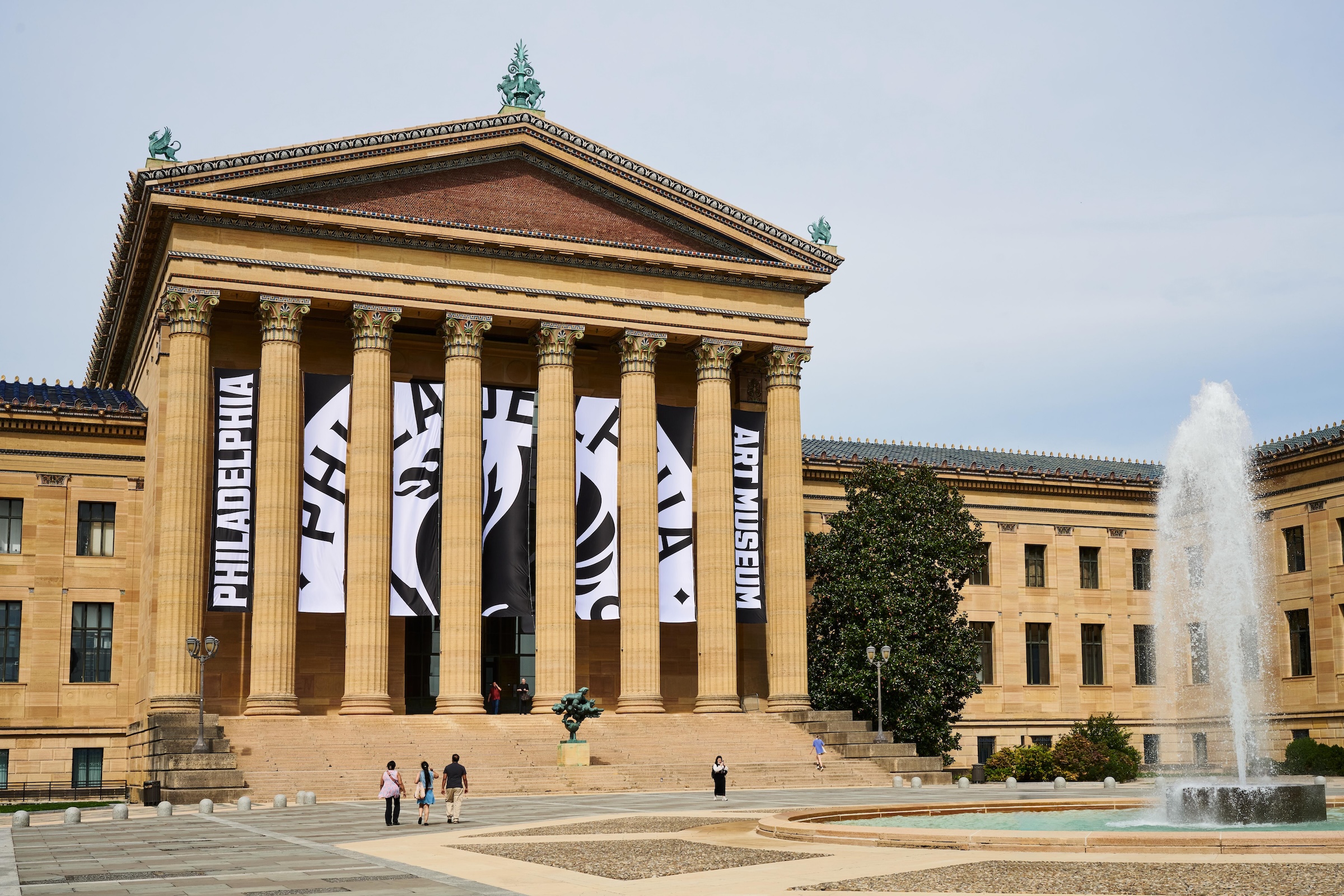
UPDATE: Just hours after her termination as director and CEO of the Philadelphia Art Museum (PhAM), Alexandra “Sasha” Suda has filed a lawsuit alleging unlawful termination and breaches of her employment agreement, marking a dramatic escalation in this unfolding controversy. The lawsuit was submitted on November 10, 2023, and comes in response to an external investigation that recommended her removal from the museum.
Suda’s legal action claims that a “small, corrupt faction of the Board” manipulated a “sham investigation” to orchestrate her dismissal. She argues that her termination was executed “without valid basis” as she was negotiating her exit terms, which were heavily unfavorable. Specifically, Suda states that the museum demanded she sign an agreement that would allow its officers to disparage her while prohibiting her from publicly defending her reputation.
The lawsuit reveals that Suda was promised two years of severance pay under her five-year contract, yet she was offered only six months if she accepted the museum’s terms. This is particularly concerning as Suda, a Canadian citizen, faces potential deportation, as the museum’s proposal would leave her without a source of income necessary for her Green Card application. If the offer is accepted, she would have 60 days to leave the United States, where she resides with her family.
“The Art Museum is aware of the recently filed complaint against the museum, and we believe it is without merit,” a spokesperson for PhAM stated.
Despite her short tenure, Suda has been credited with significant achievements, including reducing the museum’s deficit by two-thirds and bringing in nearly $17 million in Fiscal Year 2025. She also spearheaded diversity initiatives and revitalized the museum’s attendance. However, the lawsuit alleges a pattern of interference from board members, particularly former Board Chair Leslie Anne Miller and current Chair Ellen Caplan.
According to Suda, Miller frequently undermined her authority, making unauthorized decisions and subjecting her to verbal abuse. Following Miller’s departure, Suda alleges that Caplan’s leadership was equally obstructive, with Caplan allegedly disparaging staff and ignoring complaints about board conduct.
In a shocking allegation, Suda claims that Caplan orchestrated a biased review of her leadership, culminating in a secret vote of confidence that was swiftly turned against her. Although an initial vote showed support for Suda, Caplan purportedly restructured the narrative, framing Suda’s decisions as self-serving.
The lawsuit further contends that a forensic investigation, commissioned by the museum, found no actual misconduct from Suda. Instead, the law firm involved allegedly misrepresented her as financially irresponsible, leading to a second vote that resulted in an 8-2 decision favoring her termination.
Suda’s suit seeks to hold the museum accountable for its actions, aiming to recover her severance and additional damages. The case not only highlights alleged board misconduct but also raises critical questions about governance within cultural institutions.
As this situation develops, the Philadelphia Art Museum faces scrutiny over its internal operations and leadership practices. Observers will be watching closely as the lawsuit unfolds, potentially impacting not just Suda’s career but also the museum’s reputation and governance.