A recent study has identified a critical mechanism that bacteria use to resist common antibiotics, offering new potential avenues for treatment against harmful infections. Published in Nature Communications on November 11, 2025, the research highlights the role of a specialized repair system known as Rtc, which enables certain bacteria to survive antibiotic exposure.
The research conducted by scientists at the University of Edinburgh reveals that the Rtc repair system is essential in maintaining protein production when bacteria are confronted with antibiotics. Many antibiotics function by disrupting the production of proteins vital for bacterial growth, but Rtc allows bacteria to repair damaged RNA, which is crucial for translating genetic information from DNA into functional proteins.
This discovery underscores the complexity of bacterial survival strategies and the unpredictability of their responses to antibiotics. The study found that the expression of the Rtc system varies among individual bacterial cells, which may explain the challenges in treating certain infections. Some bacteria are capable of withstanding antibiotic treatments better than others, complicating efforts to eradicate infections.
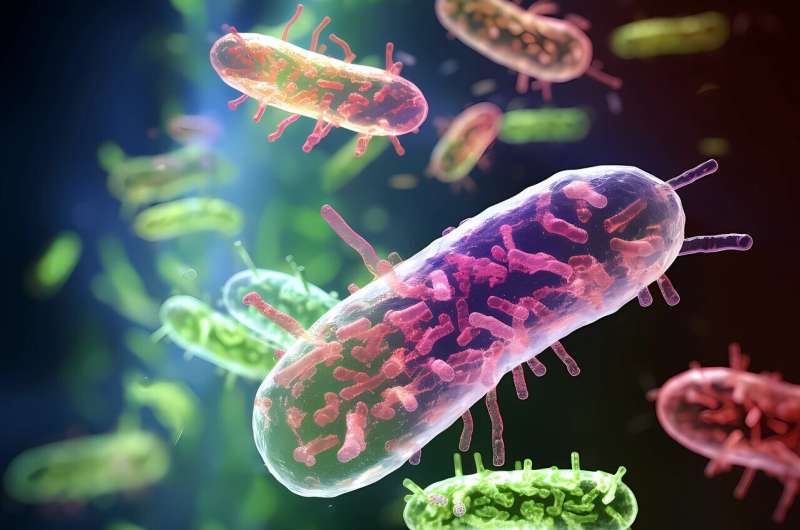
Researchers utilized a combination of computational modeling and laboratory experiments focusing on E. coli, a bacterium notorious for developing antibiotic resistance. The findings suggest that targeting key components of the Rtc repair system could enhance the effectiveness of existing antibiotics, thereby improving treatment outcomes for bacterial infections.
Dr. Andrea Weisse, who led the study at the University of Edinburgh’s Schools of Biological Sciences and Informatics, emphasized the need for innovative approaches in tackling bacterial resistance. She stated, “Bacteria are clever little things. They have been learning how to dodge our antibiotics, and they are getting better at it all the time. If we don’t find new drugs—or new tricks to outsmart them—we are in trouble.”
The implications of this research are significant in the ongoing battle against antimicrobial resistance (AMR), one of the most pressing health challenges facing the global community today. As bacteria continue to evolve and adapt, understanding their defense mechanisms becomes vital in the development of more effective therapies.
The study not only provides insights into bacterial resistance but also opens potential pathways for designing new treatment strategies. By uncovering how these repair systems operate, researchers aim to devise smarter methods to combat infections and ultimately enhance public health outcomes.
As the fight against AMR progresses, the focus on targeting bacterial repair systems like Rtc could represent a crucial step forward in safeguarding the efficacy of antibiotics and improving patient care worldwide.