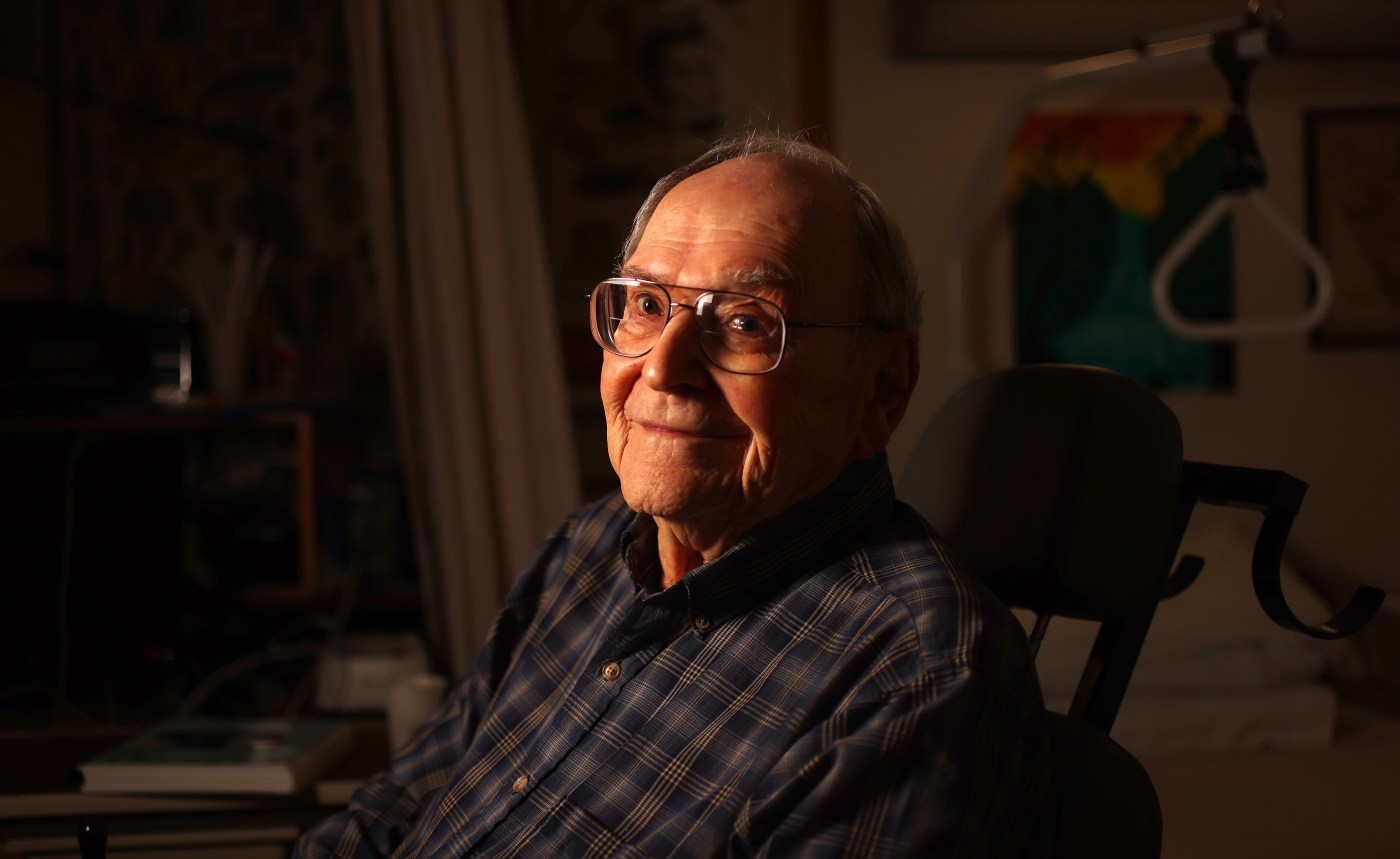
As the last living U.S. veterans of World War II age, the urgency to preserve their stories intensifies. At 102 years old, Robert Heiss, a resident of the Veterans Home of California in Yountville, enjoys a peaceful retirement filled with cribbage and murder mysteries. Yet, his memories from the war remain vivid and poignant, a reminder of a chapter in history that is rapidly fading.
Heiss grew up in San Francisco, leading a typical childhood filled with biking and movies until his life changed dramatically on December 7, 1941. On his 19th birthday, he learned of the attack on Pearl Harbor, an event that propelled the United States into World War II. Reflecting on that day, Heiss recalls, “On the West Coast, we were all scared we could be next. How could they get this far without our knowing?”
Preserving War Memories
According to the National WWII Museum in New Orleans, only about 45,518 U.S. veterans from World War II are still alive, with around 10,703 residing in California. By 2030, estimates suggest this number will drop to just over 5,000, and by 2044, there could be no surviving veterans of a conflict that reshaped global power dynamics.
In response to this impending loss, various organizations in the Bay Area have launched initiatives to honor these veterans. From dream flights to commemorative events at sites like the Rosie the Riveter WWII Home Front National Historical Park, efforts are underway to celebrate the contributions of these individuals and keep their stories alive.
For Heiss, serving in the Air Force from June 1943 until February 1946 as an aircraft technician was just one part of his life. After the war, he married his wife, Betty, who also served in the Navy. Together, they chronicled their experiences in a self-published book, “The Wonderful Life of Bob and Betty Heiss.” Following Betty’s death in 2009, Heiss completed the book as a means of coping with his grief, ensuring that their stories would endure for future generations.
“It makes me feel proud to be a part of the Greatest Generation,” Heiss remarked, his eyes glistening with emotion.
Honoring Family Legacies
Steve James, a retired financial analyst and Vietnam War veteran, is dedicated to preserving his father’s legacy. Ernest E. James served in World War II and shared captivating stories of his experiences with his son. During the COVID-19 pandemic, James began to sift through a container filled with his father’s memorabilia, including letters, maps, and newspaper clippings.
“I was looking through the box at his stuff and said, ‘this has to be preserved,’” James noted. He brought these items to the Contra Costa Historical Society in Martinez, which is committed to preserving local history. Executive Director Leigh Ann Davis expressed her enthusiasm, stating, “As a historian, it feels like a dream come true to be able to create a space where these documents can live forever.”
In addition to preserving family histories, Davis launched the Archive Yourself program, encouraging residents to digitize and maintain their own important documents and memories.
While Heiss kept planes flying during the war, fellow veteran James A. Scott, also a resident at the Yountville veterans’ home, used his artistic talents to document the experiences of Marines in the Pacific. At 103, Scott recalls sketching portraits of fellow soldiers, many of which have become cherished mementos for families.
Reflecting on the past, Scott emphasized the sense of patriotism that characterized his generation. “It was an important time in our history because everyone felt patriotic at that time and that’s something people don’t know about anymore,” he stated.
The legacy of these veterans, including the stories of Heiss and Scott, highlights the vital need for preservation efforts as the number of World War II survivors dwindles. Their memories provide a connection to a transformative period in history, ensuring that future generations understand the sacrifices made during the war.