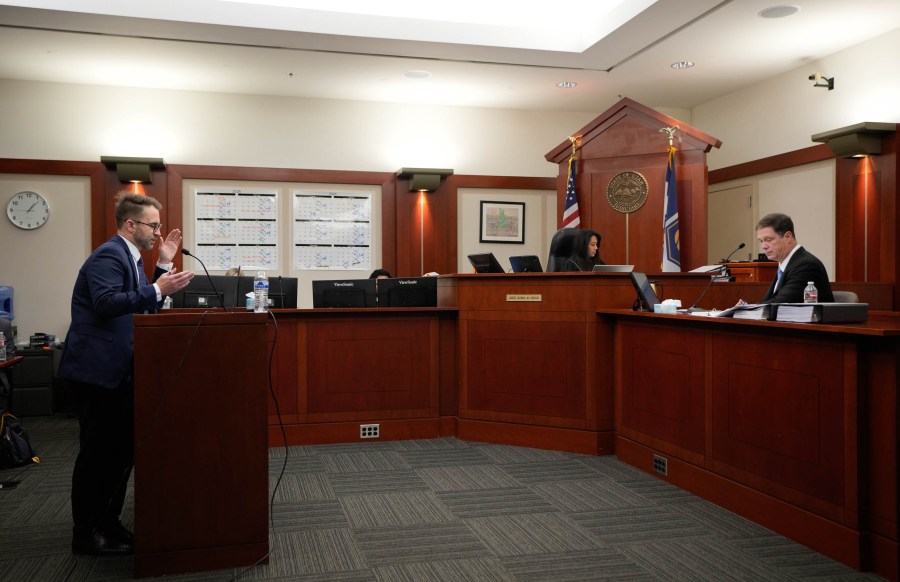
UPDATE: A pivotal ruling by Judge Dianna Gibson has just rocked Utah’s political landscape, impacting congressional representation. On November 10, Judge Gibson struck down the Utah state legislature’s Map C, declaring it in violation of the state’s anti-gerrymandering law, Proposition 4. Instead, she adopted Map 1, which she described as a necessary correction to an “extreme partisan outlier.”
This ruling follows a challenge led by the League of Women Voters of Utah and Mormon Women for Ethical Government, alongside local plaintiffs who argued that Map C was a blatant attempt to manipulate electoral boundaries for partisan gain. Just hours after the ruling, Lt. Governor Deidre Henderson announced, “I will comply with Judge Gibson’s order and immediately begin the process of implementing Plaintiff’s Map 1 unless otherwise ordered by an appeals court.”
IMPACT: The implications of this ruling are significant. With Map 1 now in play, Utah’s congressional districts will be reshaped, affecting upcoming elections and the representation of constituents across the state. This decision is seen as a victory for those advocating for fair representation, but it has ignited fierce backlash from Republican leaders.
Republican Representative Candice Pierucci denounced the ruling, labeling it a case of “judicial activism.” She stated, “One unelected judge decided that her personal opinion outweighs Utah’s Constitution and the will of the people — and that’s unacceptable.” Fellow Republican Matt MacPherson even proposed articles of impeachment against Judge Gibson, accusing her of a “gross abuse of power.”
In stark contrast, Democratic leaders have hailed the ruling as a triumph for democracy. The Utah House and Senate Democrats expressed, “This is a win for every Utahn,” emphasizing their commitment to serving the people and ensuring fair representation. Suzan DelBene, chair of the Democratic Congressional Campaign Committee, remarked, “This ruling reaffirms that power should firmly belong to the people.”
As tensions rise, the Republican Party is not backing down. They are mobilizing to repeal Proposition 4 through a ballot initiative set for November 2026. To proceed, they must gather sufficient signatures by February 15, 2026, to place the initiative on the ballot. If successful, this could nullify the newly adopted Map 1 and reinstate Map C.
NEXT STEPS: With the political atmosphere heating up, all eyes are now on the potential for an appeal from the state legislature. The outcome could further influence Utah’s electoral landscape and ignite ongoing debates about gerrymandering. As developments unfold, Utahns are urged to stay informed and engaged in the political process.
This ruling is a crucial moment for Utah’s democracy, setting the stage for an intense legislative battle and igniting discussions about the integrity of electoral processes across the nation. Stay tuned for more updates as the situation develops.