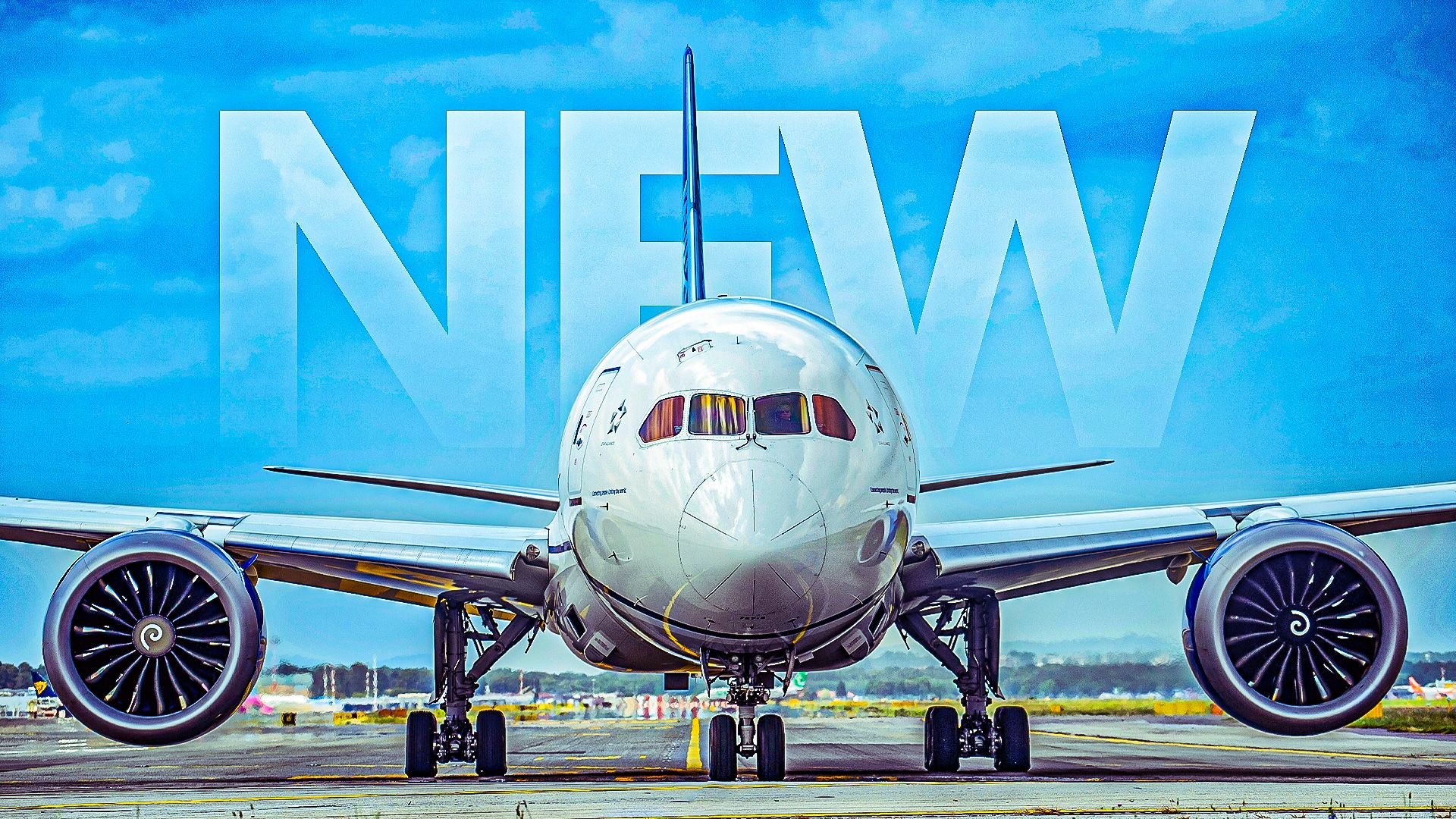
United Airlines is set to enhance its long-haul fleet with the introduction of new Boeing 787-9 aircraft, expected to enter service in early 2026. The airline has placed an order for a total of 141 Boeing 787-9s, complementing its existing fleet of 47. Among these future deliveries, one aircraft, designated N27997, will feature a standard interior, while the remaining units will showcase a new design known as the “Elevate” interior. This innovative configuration aims to elevate the passenger experience across all three classes: Polaris, Premium Plus, and economy.
Details of the New Aircraft Configuration
The new Boeing 787-9s will be the most premium-heavy widebody aircraft in the United States. United Airlines has confirmed that the new cabins will include an upgraded seating layout, with the Polaris cabin featuring the Adient Ascent, complete with privacy doors. This layout will include 64 Polaris seats, 35 Premium Plus seats, and 123 economy seats, bringing the total capacity to 222 passengers.
United’s existing Boeing 787-9 fleet is currently coded as “78P,” featuring 48 Polaris seats, 21 Premium Plus seats, and 188 economy seats. With the introduction of the new “78L” configuration, the airline will replace its older 767-300ER aircraft, which have been operating with a capacity of 167 seats, including 46 Polaris seats.
The “78L” subfleet is designed to cater to premium travelers, with enhanced amenities such as 4K OLED screens in all classes. The economy seats will feature a 13-inch screen, while Premium Plus will offer a 16-inch version. Additionally, the Polaris suites will have screens measuring 19 inches, making them the largest in any US airline’s fleet.
Strategic Routes and Future Deployment
United Airlines plans to deploy its new 787-9 aircraft on key international routes, starting with flights from San Francisco to Singapore and London-Heathrow. These destinations have a significant demand for premium seating, making them ideal for the new aircraft’s capabilities. The introduction of the “78L” configuration will allow United to maintain full passenger loads year-round, even during peak travel periods.
The airline’s decision to replace the aging 767-300ERs signals a commitment to enhancing its long-haul offerings. The new 787-9s will not only improve the economics of United’s longest flights but also enable the carrier to explore new ultra-long-haul routes, such as the previously cancelled Los Angeles to Singapore route.
As United Airlines prepares for the arrival of these aircraft, it remains to be seen how many will be configured with the “78L” layout. The airline’s existing 767-300ER fleet has seen great success with its premium layout, leading to speculation that a limited number of the incoming 787-9s will adopt this configuration.
In summary, the forthcoming Boeing 787-9s represent a significant step forward for United Airlines in terms of passenger experience and operational efficiency. With a focus on premium seating and advanced technology, the airline is poised to strengthen its position in the competitive long-haul market while catering to the growing demand for high-end travel.