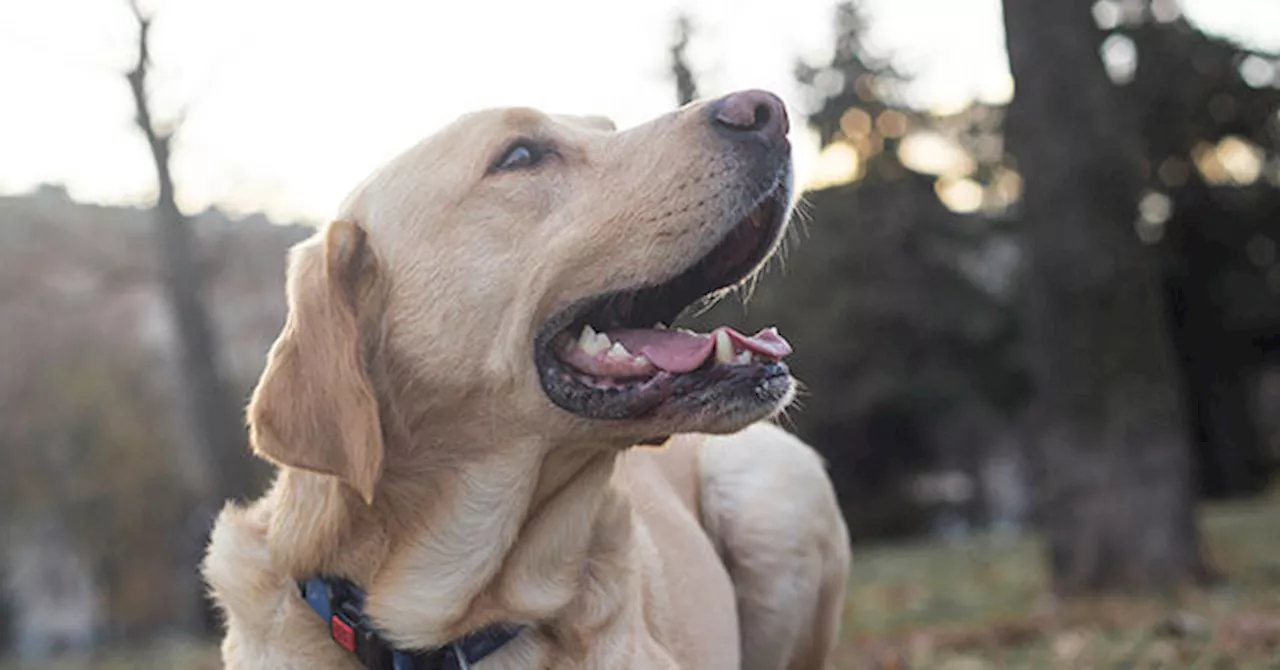
A U.S. Army and Marine veteran from Colorado, Hank Ford, credits his service dog, a yellow Labrador named Tommy, with saving his life during a critical medical episode. In February 2023, Tommy alerted Ford to an irregular heartbeat, potentially preventing a stroke and ensuring the veteran received timely medical attention.
Ford, who has been living with PTSD, describes the profound impact Tommy has had on his life. “It was like night and day,” he said, highlighting the transformation he has experienced since the dog became part of his life. Friends and family have remarked on the noticeable difference in his demeanor and overall well-being, emphasizing how Tommy has provided both companionship and support.
On the morning of the incident, Tommy deviated from his usual routine of waking Ford at 07:00. Instead, he woke his master earlier by hitting him in the chest. “He was literally hitting me in the chest,” Ford recalled. This unusual behavior prompted Ford to seek medical help, where he discovered his heart was racing at an alarming rate. Doctors informed him that had Tommy not acted as he did, the outcome could have been dire.
Many veterans struggle to embrace the idea of having a service dog due to concerns about how they might be perceived in public. Ford stressed the importance of recognizing the significant benefits these animals can bring. “A lot of veterans won’t get a dog because they think people look at you differently when you’re walking through a store. But a dog makes a huge difference,” he explained.
Reflecting on his bond with Tommy, Ford shared, “Everybody always talks about, you know, there’s always a light at the end of the tunnel. It was a dark spot. He turned the lights on.” This sentiment underscores the vital role service dogs can play in the lives of those grappling with mental health challenges.
The story of Ford and Tommy serves as a powerful reminder of the life-saving capabilities of service animals. Their bond not only highlights the importance of animal companionship for emotional support but also illustrates how these dogs can be trained to respond to critical medical situations, ultimately improving the quality of life for their human partners.
As awareness grows about the positive impact of service dogs, many hope to encourage more veterans to consider these animals as allies in their journey toward recovery and improved mental health.