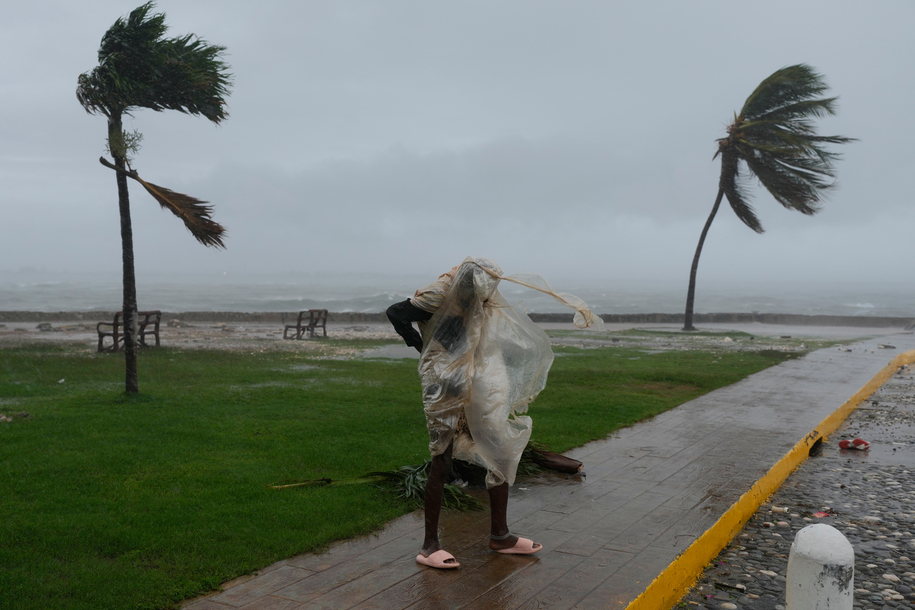
Hurricane Melissa made landfall in Jamaica approximately two weeks ago, leaving a trail of devastation as it continued to affect parts of Haiti and Cuba. The storm, classified as a Category 5 hurricane, resulted in significant loss of life and widespread destruction of infrastructure. Reports indicate that at least 67 fatalities have been confirmed across the impacted regions, with damages estimated to reach as high as $50 billion.
The consequences of Hurricane Melissa are particularly severe in Cuba, where more than 54,000 people remain displaced, and around 7,500 individuals are currently residing in official shelters, according to the United Nations Office for the Coordination of Humanitarian Affairs (OCHA). Initial assessments have revealed that over 90,000 homes and more than 600 health facilities have been affected. UN agencies are actively providing support to national response efforts, aiding approximately 140,000 people through shelters and community kitchens, and distributing essential agricultural tools and livestock feed to help restore livelihoods.
In Haiti, the situation remains dire. The hurricane’s impact has resulted in over 40 deaths, prompting humanitarian organizations to expand their operations amid extensive damage across multiple departments. Videos documenting the ongoing conditions have surfaced, highlighting the urgent need for assistance.
While the U.S. government has committed nearly $37 million in emergency aid, many experts argue that this amount is insufficient compared to other international financial commitments, such as the proposed $40 billion bailout for Argentina. Other nations have also stepped up in response to the crisis. For instance, Jamaica has expressed gratitude for the support received from Canada, while Venezuela has sent multiple aid shipments to Cuba.
Communities across the United States, including those in Texas, South Florida, and New England, are also doing their part to aid Hurricane Melissa victims. Reports indicate that local initiatives are mobilizing resources to provide food and shelter to those affected.
Climate Change and Future Preparedness
The discussions surrounding Hurricane Melissa also coincide with the ongoing COP30 climate change conference taking place in Brazil. As representatives from various island nations gather, the impact of Hurricane Melissa serves as a stark reminder of the challenges posed by climate change.
UnaMay Gordon, a former director of climate change for the Jamaican government, emphasized the catastrophic nature of the storm, stating, “We lost cultural heritage, 300-year-old churches are lost. A part of our identity was lost with it.” The Prime Minister of Jamaica noted that the storm’s devastation is estimated to account for approximately 28% to 32% of last year’s gross domestic product.
Theresa Rodriguez-Moodie, CEO of the Jamaica Environment Trust, remarked on the frequency of such storms, linking their intensity to the ongoing climate crisis. She called for immediate action, stating, “What we need now is radical change. We need commitments. We need adaptation financing.”
Dr. Glen Barry, a climate researcher, highlighted how climate change exacerbated the impact of Hurricane Melissa, noting that the warm waters fueling the storm were made significantly more likely due to global warming. This has led to an increased frequency of severe weather events, trapping Caribbean nations in a cycle of recurring disasters.
As recovery efforts continue, organizations like World Central Kitchen are providing essential food supplies to those in need. Their work in Cuba includes distributing food kits with enough ingredients for 25 meals and supplying kitchen equipment to households that lost essential cooking appliances.
While the immediate focus is on recovery, the broader conversation surrounding climate change and preparedness for future storms remains critical. As nations assess the damage and plan for rebuilding, the need for global collaboration and support will be paramount in addressing both immediate recovery efforts and long-term resilience against climate-related disasters.