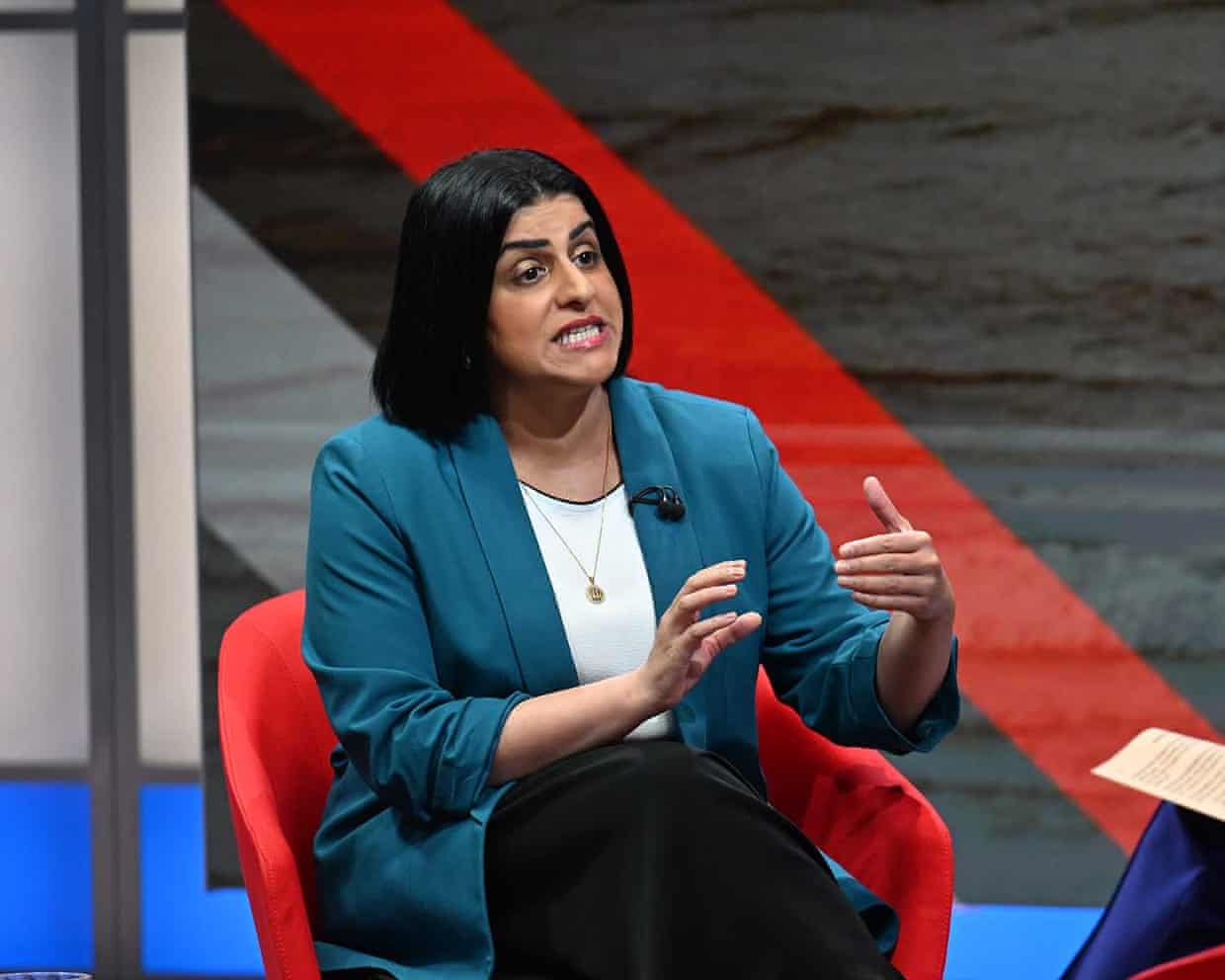
Refugees who have built lives in the United Kingdom may be required to return to their home countries if conditions improve, according to Home Secretary Shabana Mahmood. In a significant policy shift, Mahmood announced that refugees, including those from Ukraine, will need to reapply for their residency status every two and a half years. This announcement comes amid concerns regarding the pressures on the UK asylum system.
Mahmood described the current asylum framework as “out of control,” stating that it has placed considerable strain on local communities. Under the proposed reforms, those granted asylum may be returned to their countries once deemed safe, a strategy inspired by Denmark’s controversial approach. Currently, refugees in the UK receive a five-year protection status, after which they can apply for indefinite leave to remain, paving the way for British citizenship.
The new measures will also impose a lengthy 20-year waiting period for individuals arriving illegally before they can apply for permanent settlement. Mahmood clarified that these changes would primarily affect new arrivals.
In a conversation with the BBC, Mahmood defended the government’s stance against accusations of adopting far-right rhetoric. “I am the child of migrants myself,” she stated, referencing her parents’ lawful immigration to the UK in the late 1960s and 1970s. She emphasized her commitment to addressing illegal migration, stating, “It is dividing communities…people can see huge pressure in their communities.”
These reforms are designed to challenge the long-held belief that refugees automatically transition to permanent settlement and the associated rights. Mahmood noted that individuals who contribute positively to society could earn earlier settlement opportunities. “The totality of that package will promote fairness and contribution,” she added.
While acknowledging the unique circumstances surrounding Ukrainian refugees, who have come to the UK under a bespoke scheme, Mahmood reassured that the UK would fulfill its obligations to this group. “Most of those Ukrainian individuals wish to return to Ukraine once the conflict is over,” she explained.
The proposed changes also address disparities within the asylum support system. Mahmood pointed out that some asylum seekers currently have more access to certain accommodations compared to British citizens, particularly regarding council housing and anti-social behavior rules.
Approximately 10% of individuals in asylum accommodation possess the right to work, though this has not been a requirement. Mahmood indicated that this would change, insisting that asylum seekers should comply with UK laws and contribute to their own support.
In tandem with these reforms, the UK government plans to modify laws governing housing and financial support for asylum seekers, making assistance discretionary. This means the government could deny support to those who possess the means to sustain themselves.
Mahmood characterized this package of proposals as “the most sweeping reforms to tackle illegal migration in modern times,” aimed at restoring “control and fairness to the system.” There are currently around 100,000 individuals receiving asylum support in the UK, with many accommodated by the state. A significant portion of these individuals is still housed in hotels, a practice that the Labour Party has committed to ending by 2029.
The Home Office has also revealed plans to employ artificial intelligence to assess the ages of migrants arriving illegally. This decision follows concerns that the existing system has resulted in the misclassification of minors, potentially placing vulnerable individuals at risk. The new facial age-estimation technology is expected to be more accurate and cost-effective than previous methods, although it has raised concerns among migrants’ rights advocates regarding its potential for misclassification.
As the UK government moves forward with these reforms, the implications for refugees and asylum seekers remain a topic of significant discussion and debate, reflecting the ongoing complexities surrounding immigration policy in the country.