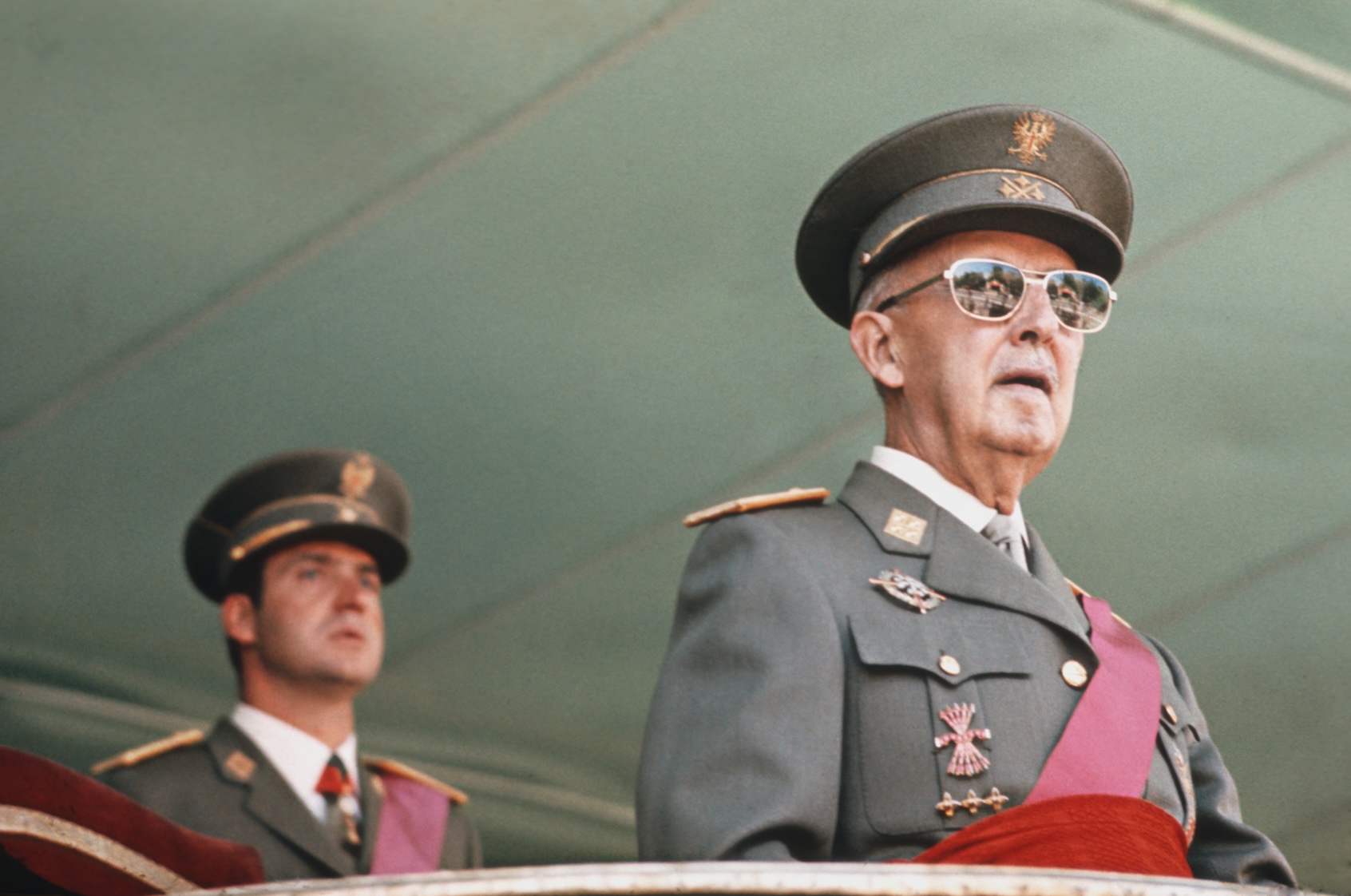
A troubling trend has emerged within the American far-right, as some factions increasingly draw inspiration from historical fascist leaders, notably Francisco Franco, who ruled Spain for 35 years until his death in 1975. This fascination reflects a complex relationship between contemporary right-wing movements in the United States and their European counterparts, particularly those aligned with Donald Trump.
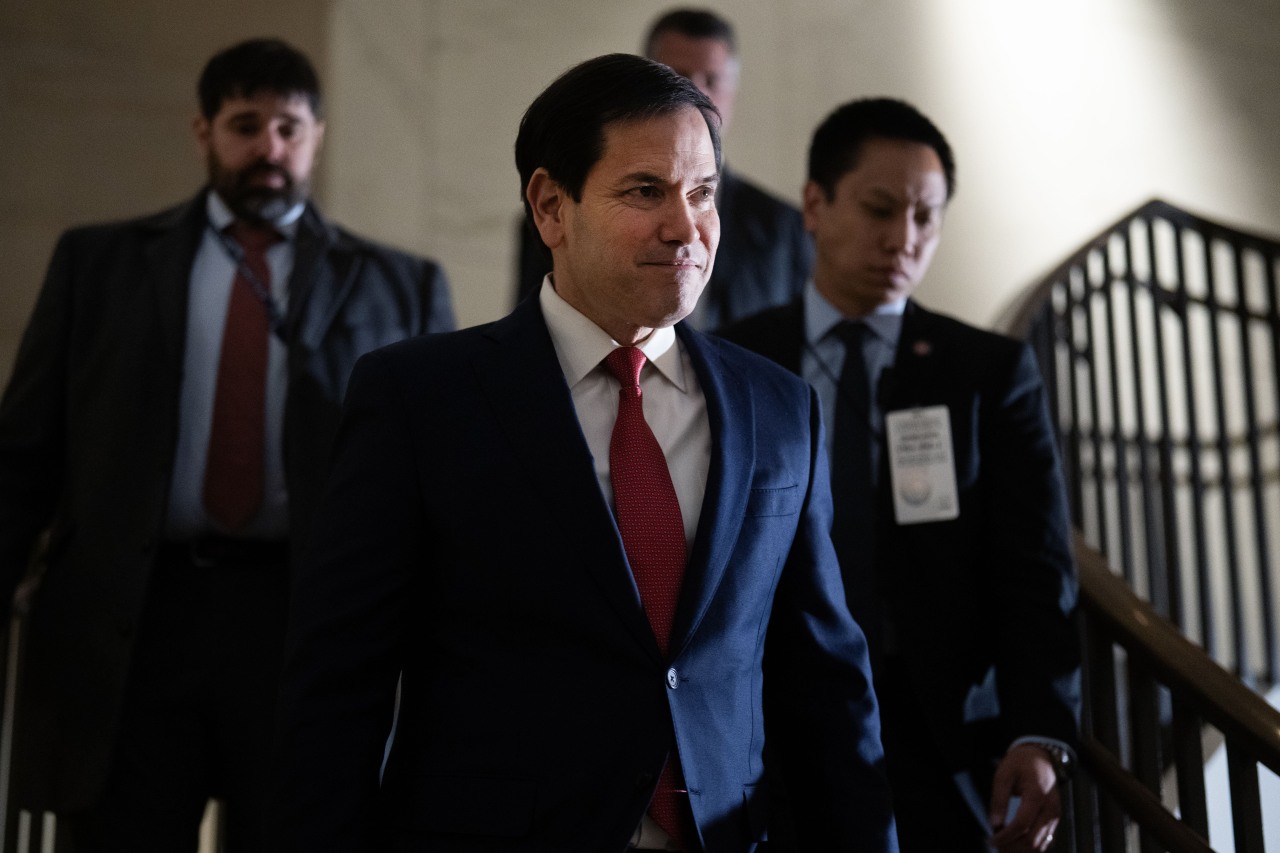
The connection between Trump’s movement and European far-right politics resembles a circular pattern, making it difficult to discern who influences whom. Despite Trump’s waning popularity, figures within the European far-right continue to seek alignment with him. This dynamic is evident in the actions of various American political figures, including JD Vance and Marco Rubio, who have attempted to intervene in European politics, particularly in Germany, on behalf of the far-right Alternative for Germany (AfD) party. Such efforts have often backfired, revealing a disconnect with the realities of contemporary European political landscapes.
The case of Viktor Orbán, Hungary’s Prime Minister, illustrates this trend. Orbán has aligned himself with the Trumpist right while maintaining a façade of democratic governance, despite significant erosions of democratic norms in Hungary. His attempts to navigate relations with both Trump and Vladimir Putin have left Hungary increasingly isolated, with little success in addressing diplomatic challenges, particularly regarding the ongoing conflict in Ukraine.
Recent analyses highlight the disturbing parallels between Trump’s rise and the authoritarian movements of the 20th century. Dan Kaufman notes in an essay for the *New York Review of Books* that Franco has gained renewed admiration among certain American right-wing circles. This admiration is particularly alarming given Franco’s history of brutal repression and authoritarian rule. Kaufman’s exploration of the Franco regime’s violent legacy raises concerns about the motivations of contemporary figures who look to Franco as a model.
Franco, who emerged as a significant figure during the Spanish Civil War, represents a type of authoritarianism that resonates with some modern American conservatives. While Trump may not share Franco’s specific characteristics, the desire for a strongman figure who can restore a perceived lost order is a recurring theme. This inclination reflects a broader longing for dominance and control, reminiscent of the historical context in which Franco operated.
The fascination with Franco among elements of the American right is not new. As Kaufman points out, influential thinkers like William F. Buckley Jr. have historically portrayed Franco as a national hero, suggesting that his oppressive tactics were necessary for maintaining order. This narrative persists today, as some far-right commentators advocate for a similar approach to governance in the United States.
The implications of this admiration for Franco and other historical authoritarian figures extend beyond mere ideological alignment. It suggests a willingness among some factions to overlook the brutal realities of past regimes in favor of a narrative that aligns with their current political objectives. The repeated invocation of Franco’s legacy raises questions about the future direction of American politics, particularly as far-right movements continue to gain traction.
The enduring impact of Franco’s regime on Spanish society is evident in the ongoing debates about his legacy and the recognition of the suffering experienced under his rule. As contemporary political figures draw from this history, it is crucial to critically assess the lessons they choose to embrace. The normalization of admiration for figures like Franco presents a challenge for democratic norms and values, both in the United States and abroad.
In conclusion, the relationship between the American far-right and historical fascism, particularly through figures like Franco, underscores a significant ideological struggle. As these movements continue to evolve, it remains essential to scrutinize their historical references and the implications of their admiration for authoritarian figures from the past. The ongoing discourse surrounding these themes will shape the political landscape for years to come.