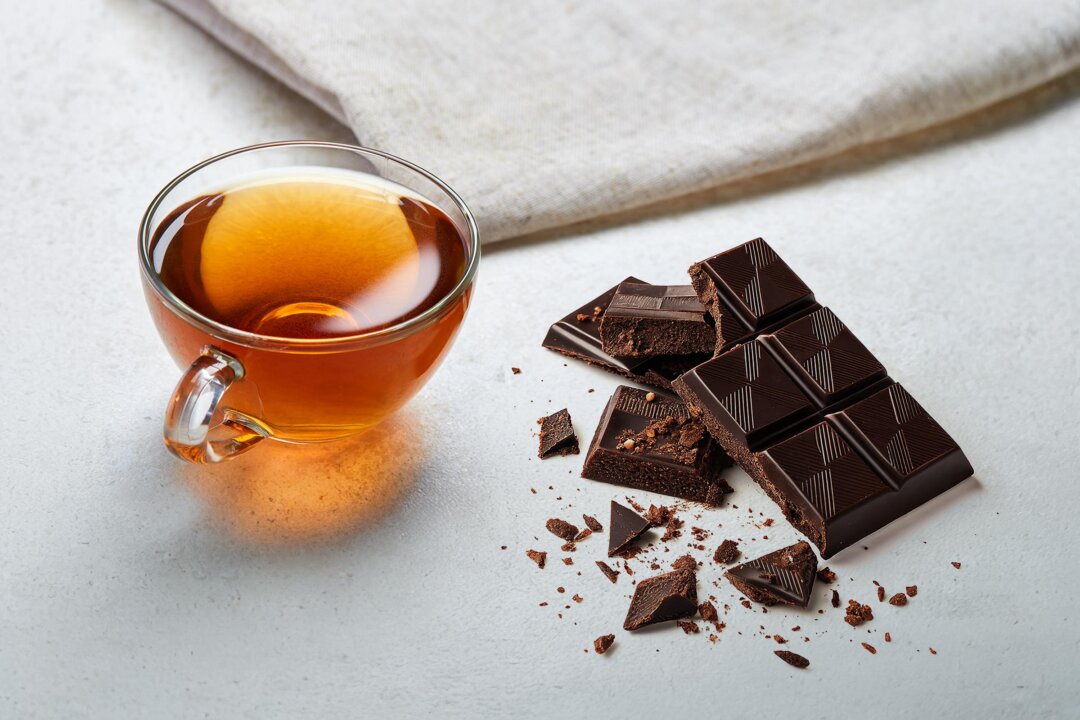
Recent research from the University of Birmingham indicates that consuming foods rich in flavanols, such as tea and cocoa, may help protect blood vessels from the harmful effects of extended periods of sitting. The findings, published in The Journal of Physiology, propose a dietary approach to mitigate cardiovascular risks associated with a sedentary lifestyle.
Prolonged sitting has become a common aspect of modern life, especially for young adults, who spend an average of six hours daily in sedentary activities—be it working at a desk, driving, or relaxing at home. This lifestyle is linked to an increased risk of heart disease due to the negative impact on blood vessels, as noted by the researchers.
Flavanols and Vascular Health
Flavanols are a group of compounds found abundantly in various foods, including tea, cocoa, berries, and apples. According to the study, these compounds possess antioxidant properties that can improve endothelial function, the process that regulates blood flow and maintains blood vessel health.
The researchers conducted a series of experiments involving young adults to assess the effects of flavanol-rich meals on vascular function. Their findings suggest that integrating these foods into one’s diet may offer protective benefits against the consequences of prolonged sitting. Notably, participants who consumed flavanol-rich meals exhibited improved blood vessel function even after extended periods of inactivity.
This research underlines the importance of a balanced diet in combating the health implications of a sedentary lifestyle. While increasing physical activity remains crucial, incorporating flavanol-rich foods may provide an additional layer of protection, especially for those unable to engage in regular exercise.
Implications for Public Health
The findings from the University of Birmingham highlight a significant public health concern: as more individuals adopt sedentary habits, the potential for cardiovascular diseases rises. This study offers a practical solution by suggesting dietary changes that can be easily integrated into daily routines.
Health professionals advocate for a blend of dietary and lifestyle modifications to promote cardiovascular health. While standing up and moving are essential to counteract the risks associated with sitting, the consumption of flavanol-rich foods could serve as a complementary strategy. As the research illustrates, simple dietary choices can have a profound impact on overall health and well-being.
In conclusion, the study reinforces the notion that what we eat plays a crucial role in mitigating health risks linked to modern sedentary lifestyles. As interest in flavanols and their health benefits continues to grow, further research may uncover additional ways to harness the power of nutrition in promoting cardiovascular health.