At the COP30 climate conference in Belém, Brazil, discussions took a significant turn, focusing on the “social and environmental risks” associated with lithium mining. For the first time in three decades of U.N. climate talks, clean energy advocates faced direct scrutiny over the mining practices required to support the green transition. This shift in dialogue signifies increasing political awareness of the complexities involved in achieving electrification without exacerbating environmental degradation. For investors in companies like Tesla Inc and Albemarle Corp, the implications are clear: the mineral supply chain is now intertwined with political and social considerations.
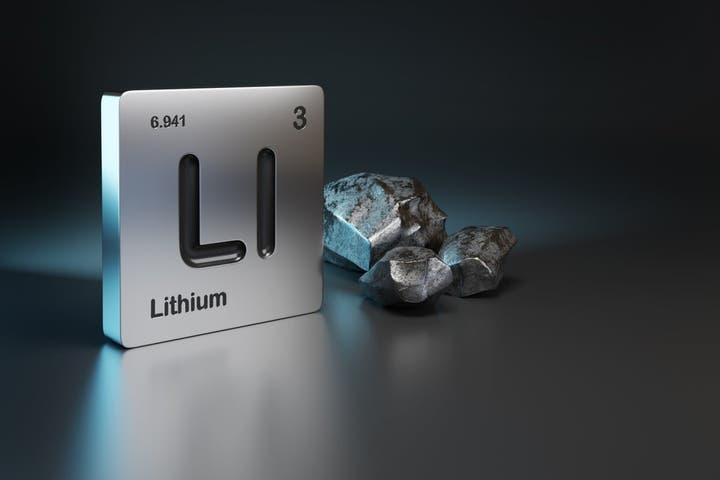
The focus on lithium, a critical component in electric vehicle (EV) batteries, has brought forward sharp criticisms from Indigenous groups in Argentina. As global demand for lithium continues to rise, concerns over the impact on local water ecosystems have become paramount. The scrutiny now extends to U.S.-listed mining companies heavily involved in lithium production, including Albemarle Corp—the world’s largest lithium producer—and Lithium Americas Corp. Other major players, such as Sociedad Quimica y Minr de Chile SA, which source from South America’s salt flats, are similarly positioned under the spotlight.
Market Impact and Supply Chain Concerns
The implications for the clean energy sector are profound. As companies like Tesla rely on lithium, nickel, and graphite to meet growing demands, any disruption in the supply chain could have cascading effects. Other companies in the renewable energy space, such as First Solar Inc, Enphase Energy Inc, and Solaredge Technologies Inc, also depend on essential metals like copper and silver. Utilities like NextEra Energy Inc that are advancing renewable projects will also feel the impact of changing supply dynamics.
Should the language from COP30 evolve into actionable policies or guidelines, the cost structures and permitting processes for clean-tech minerals could see significant changes. Investors must consider the possibility that the cost of clean energy production may increase if mining practices do not adapt to new environmental standards.
A Shift in Perception
The discussions at COP30 marked a pivotal moment, highlighting that lithium producers are now viewed with similar political sensitivity as traditional fossil fuel companies. This change in perception underscores the reality that the clean energy supply chain is not just about reducing emissions but also about ensuring responsible sourcing of materials.
As the debate surrounding lithium mining and environmental sustainability grows, the repercussions extend beyond the conference halls in Brazil. Market participants on Wall Street will need to reassess their strategies, given that the assumptions driving growth in EV and solar sectors are now more vulnerable to supply chain disruptions. The conversation at COP30 is reshaping the landscape for investments in clean technology, with potential repercussions that may echo through financial markets in the months to come.
In summary, lithium has emerged as a critical flashpoint in the ongoing dialogue about the future of clean energy. The balance between demand for sustainable energy and responsible mining practices will define the next chapter in the green transition, making it essential for investors to stay informed.