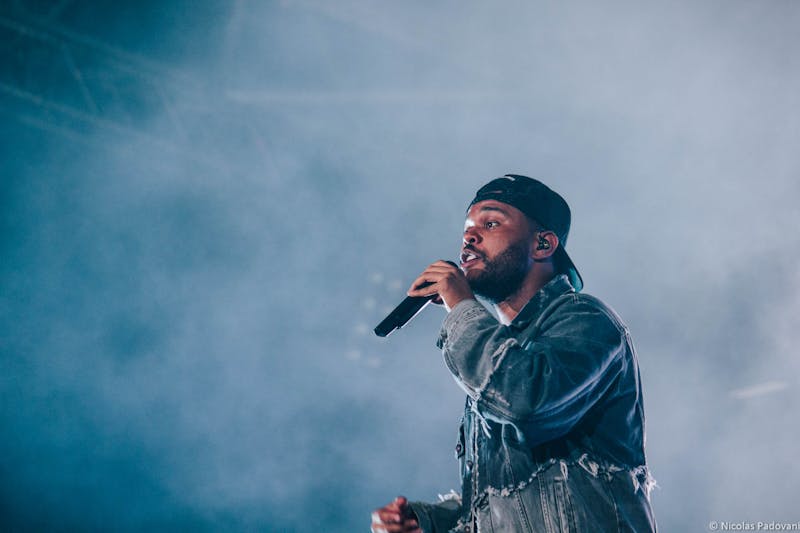
The absence of The Weeknd from the 2025 Grammy nominations has sparked significant backlash from fans and critics alike. Despite the Canadian artist’s recent acclaim for his album, Hurry Up Tomorrow, his exclusion from key categories raises questions about the Recording Academy‘s ability to recognize contemporary musical talent. This latest snub has reignited discussions about the relationship between the artist and the prestigious awards body.
In recent years, Abel Tesfaye, known professionally as The Weeknd, has been vocal about his discontent with the Grammys. Following the 2020 nominations, where his album After Hours received no recognition despite its commercial success, he announced a boycott of future submissions. This year’s lack of nominations feels both predictable and disheartening for his supporters.
The Weeknd’s connection to the Grammys has been contentious since his breakthrough. His 2015 album, Beauty Behind the Madness, earned nominations but failed to secure wins in major categories, which led fans to speculate about an ongoing pattern of oversight. While he did receive the award for Best Urban Contemporary Album for Starboy, many believed it did not accurately reflect the cultural impact of his work.
Last year, there seemed to be a thaw in relations. The Weeknd performed at the Grammys, presenting a hopeful image of reconciliation. The Recording Academy even announced changes to its nomination process, aiming for greater transparency. This seemed to signal a new chapter, yet the recent nominations have dashed those expectations.
The omission of “Cry for Me” from the Best Pop Solo Performance category is particularly striking. The track showcases The Weeknd’s signature style, combining haunting vocals with lush production, and has garnered considerable critical acclaim. Its absence from the nominations feels perplexing, given its popularity and resonance with fans.
A deeper examination of The Weeknd’s discography reveals a constant evolution. From the melancholic tone of Trilogy to the futuristic sounds of Starboy, his artistic journey is marked by experimentation. Albums like Kiss Land, often overlooked, have garnered a cult following, showcasing his willingness to push boundaries.
The impact of The Weeknd’s music extends beyond personal achievements. He has reshaped the soundscape of contemporary R&B and influenced countless artists, who have drawn inspiration from his unique style. The disconnect between the Recording Academy‘s decisions and the broader cultural landscape underscores a growing concern about the relevance of their evaluation criteria.
With Hurry Up Tomorrow, The Weeknd has delivered what many consider a masterpiece, weaving together elements of his artistic evolution. This album signifies not just a new chapter but the conclusion of an era for the artist, who has announced his departure from the persona of The Weeknd. The failure to acknowledge this pivotal work amplifies the frustration felt by fans.
As The Weeknd continues to dominate global music charts and sell out arenas worldwide, his exclusion from the Grammys suggests a deeper issue within the awards system. It reflects a struggle between evolving musical standards and traditional recognition methods. His ongoing critiques of industry practices may have further alienated him from the academy, highlighting the need for the Grammys to adapt.
Ultimately, the snub of The Weeknd raises important questions about the future of music awards. As the industry continues to evolve, the Recording Academy must reconsider its approach to ensure it accurately reflects the diverse and dynamic landscape of today’s music scene. The Weeknd’s influence is undeniable, and his absence from the nominations this year serves as a reminder of the ongoing disconnect between modern artistry and established recognition.