A recent survey by the Pew Research Center has revealed significant divisions among Americans regarding the safety and effectiveness of childhood vaccines. Conducted in March 2024, the poll indicates that while a majority express confidence in these vaccines, skepticism persists, particularly along political and demographic lines.
63% of respondents reported high confidence in the effectiveness of childhood vaccines, yet only 53% believe that these vaccines have undergone sufficient safety testing. The disparity in confidence is especially pronounced among political affiliations. Approximately 80% of Democrats expressed strong belief in the efficacy of childhood vaccines, in contrast to just 48% of Republicans. Among parents with children under 18, confidence is even lower, with only 57% stating they are highly confident in the vaccines’ ability to prevent serious illnesses.
The survey also highlighted notable demographic differences. Confidence in childhood vaccines was higher among older Americans and those with advanced education. White and Asian individuals demonstrated greater assurance in vaccine efficacy compared to Black and Hispanic individuals. Specifically, 66% of white respondents indicated high confidence in the effectiveness of childhood vaccines, while only 54% of Black respondents shared this sentiment. When it comes to safety testing, 55% of white individuals and 49% of Hispanic individuals reported high confidence, compared to just 50% of Black respondents.
Dr. Jennifer Nuzzo, director of the Pandemic Center at Brown University, expressed concern over the overall low confidence in childhood vaccines, stating, “I would hope it would be close to 100%.” She emphasized that vaccines not only protect children but also safeguard the broader community, particularly those who are unable to be vaccinated due to medical reasons.
All 50 states impose vaccine requirements for enrollment in public schools, although Florida is currently considering ending such mandates. Dr. Nuzzo reiterated the importance of vaccinations in protecting both vaccinated individuals and the most vulnerable members of society, stating, “The decision to vaccinate is not entirely a personal one. It’s also about protecting the most vulnerable among us.”
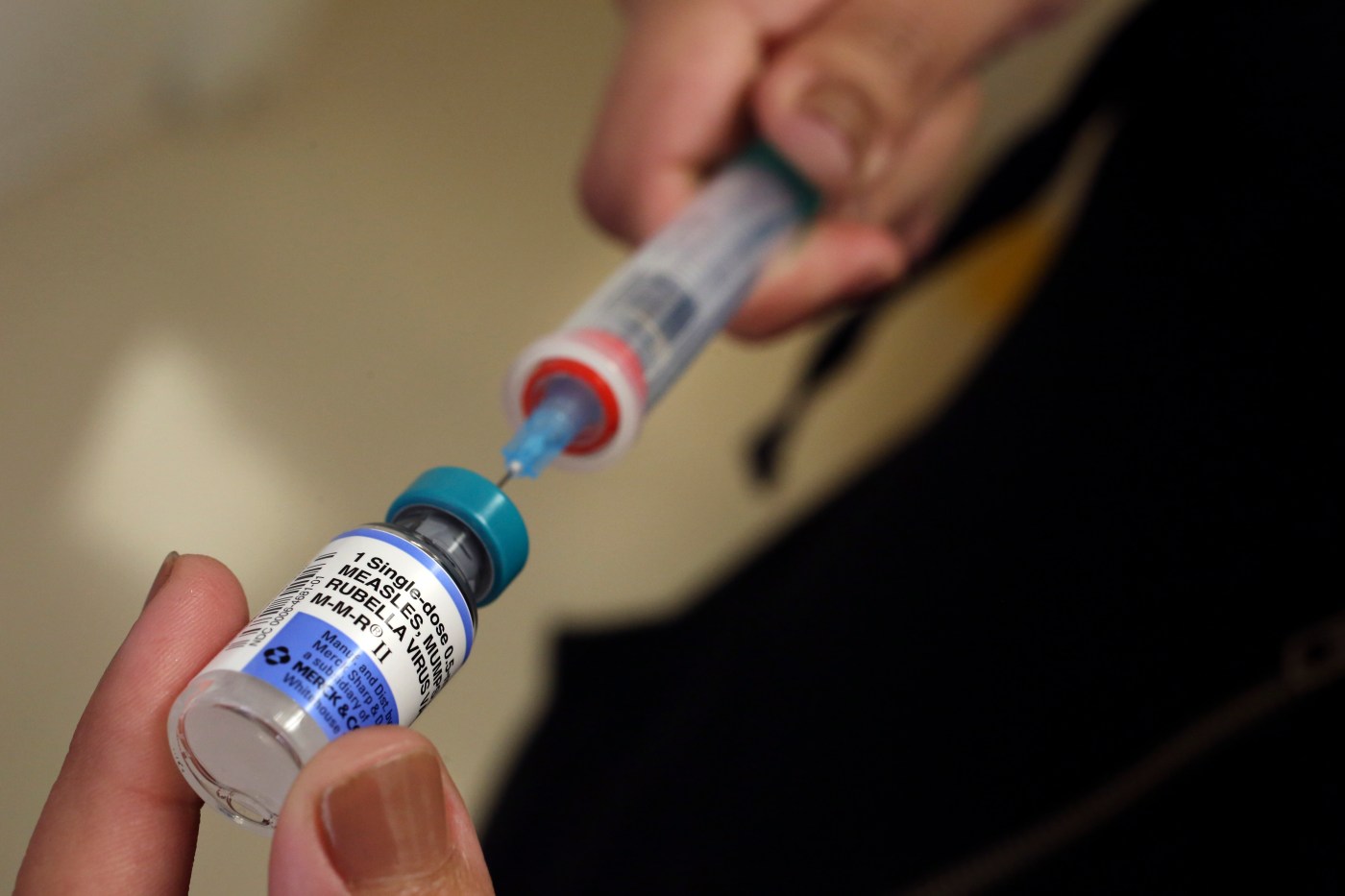
The Pew survey specifically addressed the MMR (measles, mumps, and rubella) vaccine, which continues to receive substantial support, although confidence has slightly diminished compared to previous years. Currently, 84% of respondents believe the benefits of the MMR vaccine outweigh its risks, a decrease from 88% in prior surveys. Notably, Republicans have shown a declining trend in their belief that the MMR vaccine’s benefits surpass its risks, while Democrats are 14% percentage points more likely to hold this view.
Dr. Nuzzo labeled the MMR vaccine as “safe, effective, and crucially important right now,” particularly in light of recent outbreaks of measles within the United States. “It’s a disease that we can absolutely prevent with the vaccine,” she added.
The survey results also revealed a political divide in trust towards medical professionals involved in childhood vaccine research. Democrats are more likely than Republicans to trust these experts to act in the best interests of public health and scientific evidence. Dr. Nuzzo described this polarization as “deeply troubling,” highlighting that “viruses don’t preferentially affect one political party versus another.”
The findings from the Pew Research Center underscore a critical need for ongoing dialogue and education regarding childhood vaccination, particularly as public health officials work to ensure the safety and well-being of children across the nation.