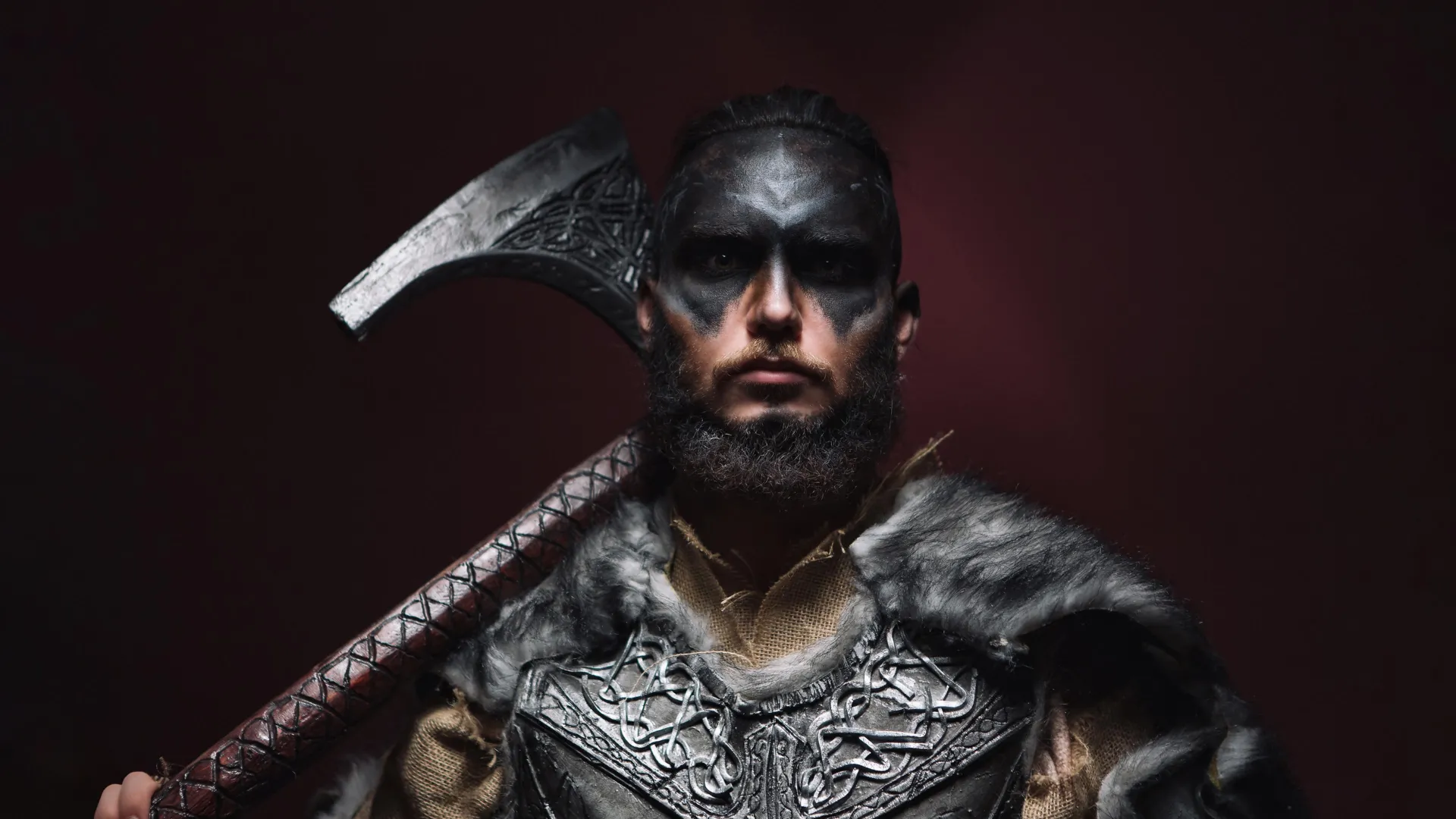
Recent research from scholars in Scandinavian studies reveals that much of what is commonly believed about Vikings and their mythology is rooted in later interpretations rather than historical facts. According to experts from the Cluster of Excellence “Religion and Politics” at the University of Münster, many narratives surrounding the Viking Age are shaped by medieval writings and modern popular culture, rather than authentic historical sources.
The Viking Age, which spanned from the 8th to the 11th century, has been romanticized in films, television series, and literature. As noted by Roland Scheel, a prominent scholar in this field, “People today picture the Viking Age in very specific ways,” influenced largely by contemporary media portrayals that emphasize themes like heroism and adventure.
Despite the widespread fascination, Scheel highlights a significant gap between popular representations and historical evidence. He explains that the primary texts available to us today, such as the Edda written by Snorri Sturluson in the 13th century, are essentially memorialized histories. These works were produced long after the Viking Age and reflect the biases and contexts of their authors, primarily Christian scholars of the High Middle Ages.
Reassessing Viking Identity
The term “Viking” has evolved to embody largely positive connotations, portraying a society noted for its warrior culture and comparatively better status for women than in other periods. This portrayal often neglects the more complex and violent aspects of Viking raids. Scheel remarks, “This favorable view of Scandinavian paganism continues to influence identity formation today,” allowing for a selective interpretation that resonates with modern audiences, particularly among neo-pagan groups who embrace pre-Christian Scandinavian traditions.
The influence of Viking imagery extends beyond cultural appreciation; it has also been harnessed for political purposes. For instance, the Council of Europe’s Viking Cultural Route promotes a unified European identity through its presentation of Viking heritage. This cultural appropriation raises questions about the use of history in shaping contemporary identities.
Historical Misinterpretations and Modern Usage
Scholars Simon Hauke and Scheel are currently investigating how these medieval interpretations have shaped the modern understanding of Norse mythology. They trace the lineage of ideas from the Viking Age through various historical figures, including Otto von Bismarck, who invoked Norse mythology to bolster his political rhetoric.
Their research highlights how concepts of Scandinavian paganism have been consistently redefined, reflecting the socio-political needs of different eras. Hauke points out that even prominent works like Richard Wagner’s opera “The Ring of the Nibelung” have left a lasting imprint on contemporary perceptions of Norse mythology, especially the character of the Valkyrie. This portrayal tends to emphasize her as a feminine warrior, which simplifies the diverse roles that Valkyries actually held in Old Norse literature, including serving as barmaids and influencing battles.
The ongoing conference titled “Imagining Nordic Paganism: Cultural Memories and Scholarly Thought Since the Middle Ages” will feature discussions on the evolving interpretations of Scandinavian paganism, examining its implications for gender, identity, and historiography. With speakers from various international backgrounds, the conference aims to unpack the intricate relationship between historical narratives and modern identity.
The findings presented by Scheel and Hauke call for a reevaluation of the long-standing assumptions about Vikings, urging a more nuanced understanding of how these images have been shaped and reshaped through time. As scholars continue to delve into the complexities of Norse mythology and Viking history, it becomes increasingly clear that the narratives we hold today are far more intricate than previously acknowledged.