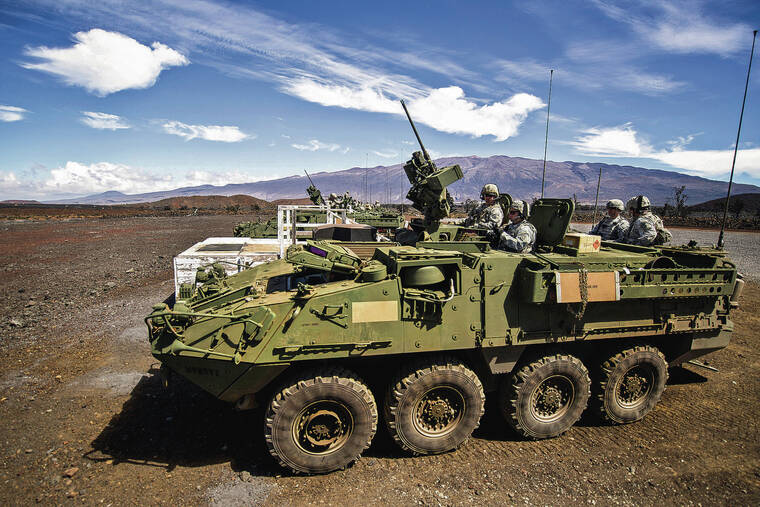
As the expiration date for Army land leases at the Pohakuloa Training Area on Mauna Kea approaches in 2029, tensions are escalating between Hawaiian activists and the military. The Army is pressing for lease renewal by the end of the year, citing the land’s strategic importance for potential conflicts with China. Meanwhile, Hawaiian opponents are leveraging their historical perspective in a long-standing fight for sovereignty.
Historical Context Fuels Current Disputes
The struggle for Native Hawaiian sovereignty has deep roots, exemplified by the stalled Akaka Bill, which aimed to establish a process for federal recognition of Native Hawaiians. This bill faced pushback when a stipulation required that details be finalized within 20 years, a timeline Hawaiian activists deemed unrealistic. One veteran activist remarked, “It takes as long as it takes. Twenty years is nothing in terms of our history.”
Two decades later, while progress on sovereignty remains limited, there is a notable increase in support among Hawaiians. This sentiment is particularly evident in the context of the lease negotiations, where local opposition has gained momentum following a significant victory against the Army. The state Land Board recently rejected the Army’s environmental impact statement, marking a crucial point in the ongoing dispute.
Governor’s Approach to Negotiations
Hawaii Governor Josh Green is advocating for a negotiated settlement that he believes could secure up to $10 billion in federal benefits for the state. These funds would support various initiatives, including housing, clean energy, and healthcare. However, the governor’s proposal faces skepticism, particularly given the current administration’s tendency to cut funding for similar projects.
Green has also expressed concerns over the Army’s potential move to seize the land through condemnation, a tactic that might bypass local regulations. This threat is taken seriously, especially in light of the Trump administration’s previous actions regarding federal property disputes.
Despite the governor’s efforts, it remains uncertain whether this deal will quell the dissent among Hawaiian activists. Many have voiced their discontent, even with the formation of a committee predominantly composed of respected Native Hawaiians to guide the negotiations. Activist groups continue to emphasize the importance of their involvement in any lease discussions.
In a further development, Kai Kahele, the ambitious chair of the Office of Hawaiian Affairs, has joined the conversation, organizing public meetings and lobbying Congress to ensure Hawaiian representation in the negotiation process. This involvement underscores the ongoing commitment among local leaders to advocate for Native Hawaiian interests.
As the deadline approaches, the Army’s insistence on a swift resolution contrasts sharply with the measured approach of Hawaiian activists. The latter have a history of perseverance, dating back to protests over the bombing of Kahoolawe in the 1960s. Their continued advocacy illustrates a deep-rooted dedication to their cause, suggesting that this battle is far from over.
With the stakes high and the timeline tight, the outcome of the lease renewal negotiations will significantly impact the future of Native Hawaiian sovereignty and the relationship between local communities and federal authorities. As both sides prepare for a contentious few months ahead, the resolution remains uncertain.