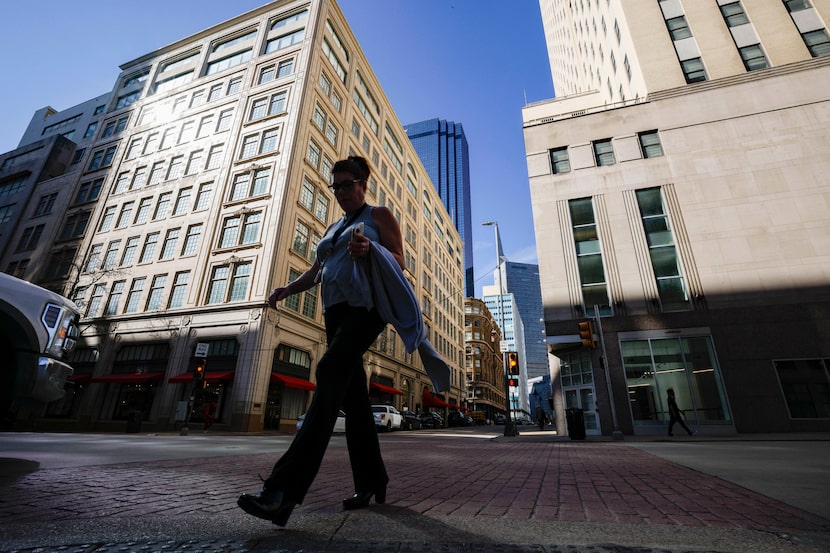
Letters to the editor in the Dallas Morning News have sparked a lively discussion around crucial local issues, including the future of Neiman Marcus, minimum wage concerns, the ongoing protests in Iran, and public transport challenges with DART. These letters reflect the sentiments of residents who are keenly aware of the challenges facing their community.
Concerns Over Neiman Marcus and Downtown Dallas
In response to a recent editorial titled “Dallas Needs Plan to Keep Neiman’s,” Bill Rogge emphasized that the real issues for retailers like Neiman Marcus go beyond civic aspirations. He argued that successful businesses depend on fundamental factors such as customer foot traffic, safety, and consistent economic activity. Rogge pointed out that the challenges Neiman Marcus faces are not unique but rather indicative of longstanding issues in downtown Dallas, including inconsistent public safety and limited residential density.
He stated, “No amount of vision casting can substitute for addressing those fundamentals.” Rogge believes that instead of trying to preserve nostalgic retailers, the city should focus on creating a functional and inviting environment for all businesses. He asserted that if Dallas addresses these core concerns, retailers like Neiman Marcus will choose to stay based on viability rather than nostalgia.
Conversely, Jon Altschuler questioned the need for a plan to save a retailer struggling due to lack of customers. He suggested that rather than clinging to the past, the city should consider reimagining the space for new tenants.
Minimum Wage Debate Highlights Economic Challenges
The issue of minimum wage has also emerged prominently in the letters. Jacqueline Grote from Plano criticized Texas for maintaining a minimum wage of $7.25, unchanged since 2009, despite rising living costs in cities like Dallas. She pointed out that a full-time worker earning minimum wage brings in about $15,000 annually, a sum insufficient to cover basic expenses such as rent and healthcare in North Texas.
Grote argued that low wages have broader implications, shifting financial burdens onto taxpayers as underpaid workers rely on public assistance programs. She stated, “An economy built on wages that don’t meet basic living costs is not strong — it is fragile.” For her, raising the minimum wage is not just a financial issue but a matter of dignity for workers.
Community Engagement and Local Governance
Michael Brown, writing from Fairview, praised the Dallas Morning News for its investigative reporting on a no-bid restaurant deal involving a former park board member at Executive Airport. He expressed gratitude for the publication’s role in ensuring transparency, highlighting the importance of local journalism in holding power to account.
On the topic of public transport, James Outlaw Urech voiced disappointment regarding University Park’s decision to call an election on whether to leave DART, the region’s public transit system. He shared his experiences as a student at Southern Methodist University, where he frequently relied on DART services. Urech believes that the city’s potential withdrawal from DART would negatively impact students and staff who depend on public transportation.
The discussion surrounding AT&T’s recent announcement to cease operations in Dallas also drew attention. Sue Owens humorously noted that the headline “AT&T hangs up on Dallas” perfectly captured the sentiment regarding the telecommunications giant’s exit from the city.
These letters represent a microcosm of the broader conversations taking place in Dallas. With issues ranging from retail sustainability to wage equity and public transit, the voices of residents reflect a community actively engaged in shaping its future. As Dallas navigates these challenges, the ongoing dialogue among its citizens will be essential in fostering a resilient and thriving city.