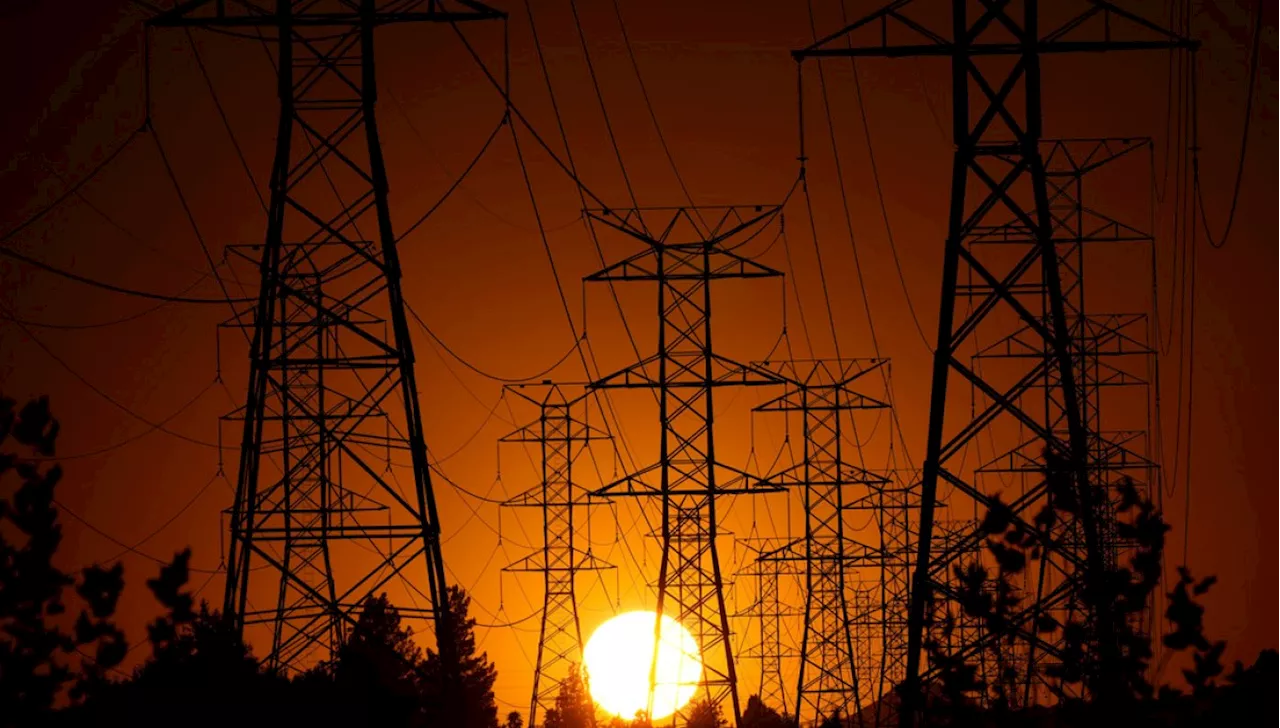
Significant cancellations of power projects have occurred in 2023, with a total of 1,891 projects scrapped, according to a report from Cleanview, an organization that monitors energy trends. This year’s cancellations represent a loss of approximately 266 gigawatts in potential electricity generation, impacting the nation’s energy landscape and future supply capabilities.
The report highlights that renewable energy initiatives have been particularly affected, with 93% of the canceled projects being green energy ventures, including utility-scale solar farms and offshore wind farms. These projects were set to provide critical energy resources in the coming years, yet they were halted amid political and local opposition.
Challenges and Implications for Energy Demand
The report warns that the loss of these projects could hinder utilities’ ability to meet the increasing electricity demand driven by advancements in technology, particularly the growth of artificial intelligence. As the U.S. government pushes for rapid advancements in AI to compete globally, the need for reliable energy sources becomes increasingly urgent. The projected peak energy demand is expected to rise by at least 100 gigawatts by 2030, with a significant portion of this growth linked to data centers.
Cleanview’s findings indicate that the current trajectory of energy policy is unsustainable. The organization stated, “America is simultaneously approving unprecedented electricity demand while canceling the generation needed to meet it, creating policy incoherence that threatens grid reliability, affordability, and the country’s competitiveness in the global AI race.”
Furthermore, the report points to the need for a shift towards reliable baseload power sources, such as oil, gas, and nuclear energy, to stabilize the energy supply.
Reasons Behind Project Cancellations
Several factors contributed to the cancellations this year. Notably, the Trump administration has been criticized for its stance against renewable energy development, including halting federal funding of more than $679 million for offshore wind projects. The report attributes the cancellation of over 13.2 gigawatts of projects in the New York ISO region and substantial losses in New England and California to this policy shift.
Local opposition to large-scale clean energy projects has also played a significant role. Complaints from small groups regarding aesthetics and environmental concerns have deterred developers from pursuing necessary infrastructure. The costs associated with interconnecting projects to the grid have further complicated matters, with Louisiana and Missouri reporting high interconnection costs of approximately $928,000 and $915,000 per megawatt, respectively.
Additionally, the gas power sector is not immune to challenges. Cleanview identified the cancellation of more than 4 gigawatts of gas projects this year, primarily due to supply chain issues affecting gas infrastructure.
As developers reassess the viability of new projects, the potential expiration of subsidies under the Inflation Reduction Act in the next two years adds urgency to the decision-making process. The recent termination of federal tax credits through the One Big Beautiful Bill Act has further complicated the landscape for renewable energy developers.
Overall, the combination of political actions, local opposition, and economic factors has created a challenging environment for energy project developers. The implications of these cancellations extend beyond immediate energy needs, potentially affecting electricity prices and the broader economy.
As the energy sector navigates these complexities, stakeholders are urged to consider meaningful reforms to streamline permitting processes and support the construction of necessary infrastructure.